





What's Happening?
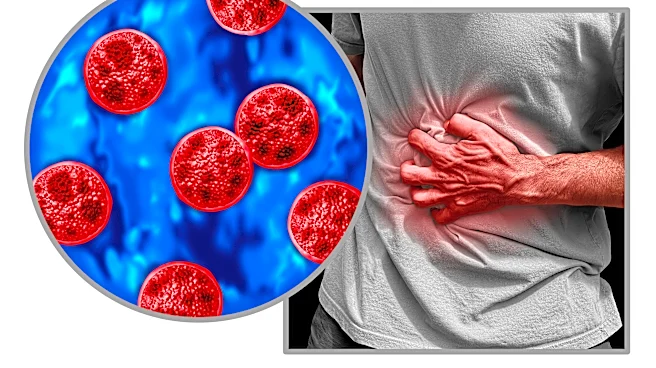
Food poisoning, a common ailment affecting an estimated 48 million people annually in the U.S., can sometimes lead to chronic gastrointestinal problems such as post-infectious irritable bowel syndrome (PI-IBS). While many cases of foodborne illness resolve
within a few hours to a week, a significant percentage of individuals, approximately 14.5%, develop PI-IBS after acute gastroenteritis. This condition is characterized by persistent abdominal pain, discomfort, and altered bowel habits, including diarrhea, constipation, bloating, and gas. Food poisoning triggers inflammation in the gastrointestinal tract, disrupts gut lining, and can alter the gut microbiome, setting the stage for these long-term symptoms. Bacterial infections and waterborne parasites like Cyclospora are particularly associated with a higher risk of developing PI-IBS.
Why It's Important?
The potential for food poisoning to trigger chronic conditions like PI-IBS highlights a significant public health concern beyond the immediate acute illness. This can lead to prolonged suffering for individuals, impacting their quality of life, productivity, and healthcare utilization. The economic burden associated with chronic digestive disorders is substantial, encompassing medical treatments, lost workdays, and reduced overall well-being. Understanding the link between acute infections and chronic conditions is crucial for developing better diagnostic tools, preventive strategies, and effective long-term treatments. It also underscores the importance of food safety measures and rapid response to outbreaks to minimize the incidence of both acute and chronic illnesses.
What's Next?
Research continues to explore the mechanisms by which food poisoning leads to PI-IBS, with the immune system appearing to play a major role. For instance, certain bacteria like Campylobacter produce proteins that can mimic human proteins, leading to autoimmune responses that disrupt gut movement. Ongoing studies aim to clarify these pathways to develop more targeted interventions. Fortunately, PI-IBS is not always a permanent condition, with about 50% of patients recovering without specific treatment over several months to years. Various treatments are available to manage symptoms, including peppermint oil, gut-specific antibiotics like Rifaximin, antidepressants, and other IBS-specific medications. For those with small intestinal bacterial overgrowth (SIBO), glutamine supplements and elemental diets may also be prescribed.
Beyond the Headlines
The connection between acute infections and chronic conditions like PI-IBS points to the intricate and often long-lasting impact of disruptions to the gut microbiome. This highlights the broader concept of gut health as a foundational element of overall well-being, where even a single severe infection can have cascading effects. The varying susceptibility to PI-IBS, with women, younger individuals, and those with mental health conditions being at higher risk, suggests a complex interplay of biological, psychological, and environmental factors. This deeper understanding could lead to more holistic approaches to patient care, integrating mental health support with gastroenterological treatments. Furthermore, it emphasizes the need for continued public education on food safety practices to mitigate the risk of both immediate illness and potential long-term health complications.