





What's Happening?
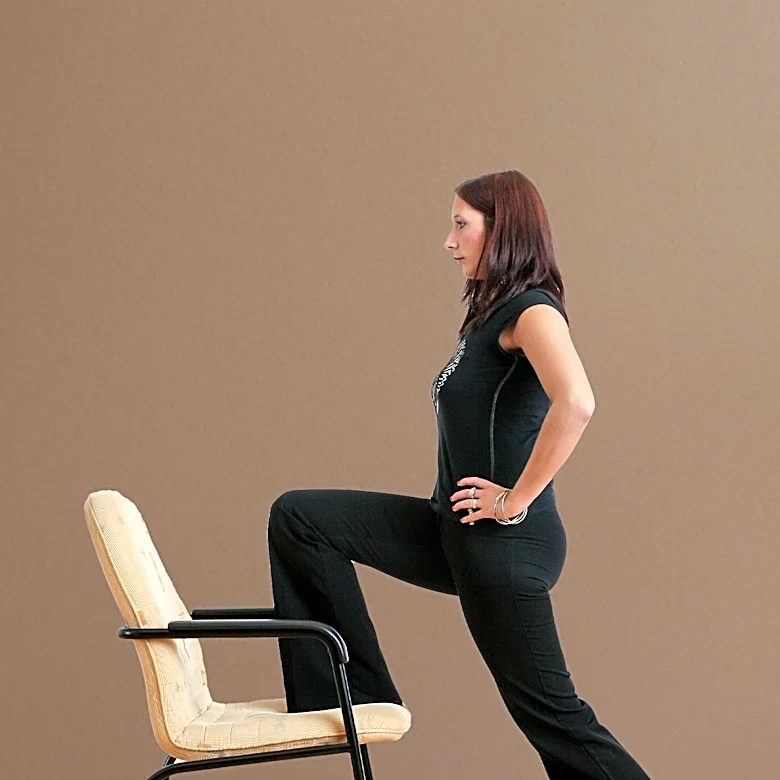
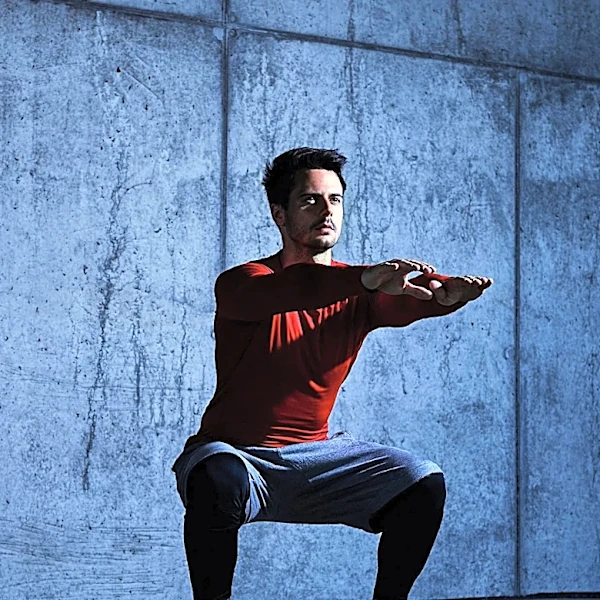
Acibadem Hospitals Group has released a comprehensive medical overview detailing ballistic stretching, a technique characterized by repeated bouncing or jerking movements to extend a muscle beyond its typical range of motion. The overview clarifies that
while ballistic stretching may have limited applications in specific athletic contexts, particularly for trained athletes in sports requiring explosive movements like martial arts or gymnastics, it is generally not recommended for the broader population. The method's reliance on momentum rather than controlled movement can trigger the stretch reflex, causing muscles to tighten and increasing the risk of strain, tendon irritation, or joint stress. The medical group emphasizes that this technique is distinct from static stretching, which involves holding a stretch, and dynamic stretching, which uses controlled movements through a comfortable range. They advise caution due to the higher injury risk associated with ballistic stretching, especially for individuals with pre-existing musculoskeletal conditions or those new to stretching.
Why It's Important?
This medical overview is important for public health and safety, particularly for individuals engaging in physical activity or considering new stretching regimens. By highlighting the risks associated with ballistic stretching, Acibadem Hospitals Group aims to prevent injuries and promote safer, more effective flexibility practices. The information is crucial for athletes, coaches, and fitness enthusiasts to make informed decisions about their training methods. For the general public, understanding the differences between stretching types can lead to better health outcomes and reduced incidence of muscle strains or joint problems. The emphasis on professional guidance for those with existing conditions or during injury recovery underscores the importance of individualized care in physical therapy and rehabilitation, potentially influencing how fitness programs are designed and implemented across the U.S. healthcare and sports industries.
What's Next?
Individuals considering ballistic stretching, especially those with existing musculoskeletal issues, are advised to seek medical assessment from an orthopedic or rehabilitation team. The medical community will likely continue to advocate for safer stretching alternatives like dynamic and static stretching for most people. For athletes who might incorporate ballistic stretching into their advanced training, professional supervision from sports medicine specialists, physiotherapists, or trained coaches will remain crucial to ensure proper technique and minimize injury risk. The information provided by Acibadem Hospitals Group may lead to increased awareness campaigns about safe stretching practices, potentially influencing guidelines for fitness instructors and personal trainers across the U.S. to prioritize client safety and tailored exercise plans.
Beyond the Headlines
The discussion around ballistic stretching extends beyond immediate injury prevention to broader implications for exercise philosophy and public health education. The distinction between different stretching methods highlights a common challenge in fitness: the adoption of advanced techniques by individuals without the necessary foundational strength, flexibility, or professional guidance. This can lead to a cycle of injury, recovery, and potentially, disengagement from physical activity. Ethically, fitness professionals have a responsibility to educate clients on safe practices and to avoid promoting methods that carry undue risk for the average person. Culturally, there's a need to shift focus from 'pushing limits' at all costs to prioritizing sustainable, injury-free movement. This medical guidance could contribute to a more informed and cautious approach to physical training, fostering a culture of long-term health rather than short-term, high-risk gains.