





What's Happening?
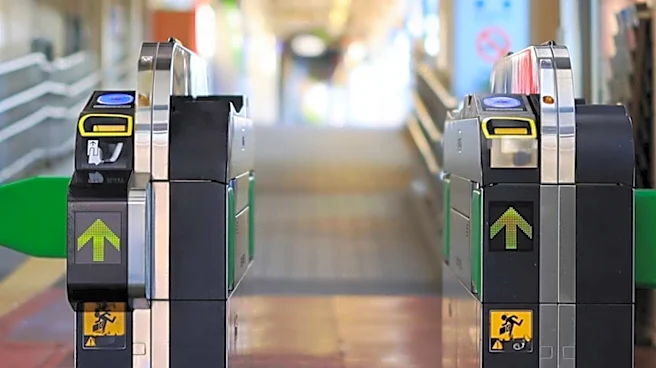
Sound Transit, a public agency, is moving forward with plans to install fare gates at 14 of its busiest light rail stations. This initiative aims to address declining fare compliance rates, which dropped from approximately 85% before the pandemic to an estimated
63%. For years, the light rail system has operated on an honor system, with fare enforcement being infrequent. The proposed fare gates will be implemented at all stations between Northgate and the International District/Chinatown, as well as at Lynnwood City Center, SeaTac, Bellevue Downtown, Downtown Redmond, and Federal Way. The Sound Transit Board has approved $6 million for the design and planning phase of the fare gate program, with total installation costs estimated at around $87 million. This decision marks a shift from the agency's previous reluctance to install fare gates due to financial and logistical challenges, particularly concerns about bypassing turnstiles at street-level stations. However, with the recent expansion of the light rail system, Chief Planning Officer Meg Cederoth indicated that fare gates are now a viable option, noting that Sound Transit lags behind comparable systems in this regard.
Why It's Important?
The installation of fare gates by Sound Transit carries significant implications for both the agency's financial health and the broader public transit landscape in the U.S. The agency projects that these gates could increase annual revenue by $32 million to $82 million, potentially paying for themselves within three to five years. This revenue boost is crucial for funding light rail operations and future expansions, especially as public transit systems nationwide grapple with financial sustainability. Improved fare compliance could also foster a sense of fairness among paying riders and reduce the burden on taxpayers. However, the initiative also raises concerns about equitable access, particularly for low-income riders and youths who often ride for free but may not carry Orca cards. King County Executive Girmay Zahilay highlighted the potential for unintended consequences, such as creating barriers for vulnerable communities. The success of this project could influence other U.S. transit agencies considering similar measures to enhance revenue and control access, while also prompting discussions on how to balance security and revenue generation with accessibility and social equity.
What's Next?
Installation of the fare gates is not expected to begin until 2029. In the interim, Sound Transit staff plan to develop systems to facilitate enrollment in free and reduced-fare programs directly at train stations. They will also intensify efforts to distribute Orca cards to young people. Additionally, the agency may deploy fare ambassadors at stations to manually override gates when necessary, ensuring that eligible riders are not unduly inconvenienced. A key focus will be to ensure the gates are designed to accommodate individuals using wheelchairs, as well as those with bicycles or large luggage. The Sound Transit Board still needs to approve the full funding for the installation costs. The agency's approach to addressing concerns about accessibility and equity during the planning and implementation phases will be closely watched, as it could set a precedent for other transit systems facing similar challenges.
Beyond the Headlines
The decision by Sound Transit to implement fare gates reflects a broader tension within public transit systems between financial viability and social equity. While fare gates promise increased revenue and improved compliance, they also introduce a physical and psychological barrier that can disproportionately affect marginalized communities. The 'honor system' model, while potentially leading to revenue loss, often fosters a more inclusive environment. The shift towards a more controlled access system highlights a growing trend in urban infrastructure to leverage technology for efficiency and security, but it also necessitates careful consideration of the human element. The long-term success of this initiative will depend not only on its financial returns but also on Sound Transit's ability to mitigate negative impacts on vulnerable populations and maintain public trust. This case could serve as a critical study for how U.S. cities balance the practicalities of funding public services with the ethical imperative of ensuring universal access.