
What's Happening?
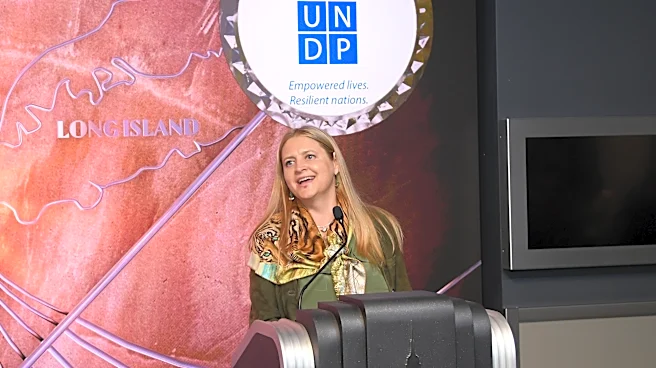
At the 31st United Nations Climate Change Conference (COP31) in Antalya, Türkiye, civil society groups Global Alliance for Incinerator Alternatives (GAIA) and the Break Free From Plastic (BFFP) movement
launched a new resource titled 'Everything Reuse: A Toolkit for Understanding, Implementing and Scaling Reuse.' This toolkit aims to integrate reuse into the broader climate conversation by providing a common language and practical framework for classifying and advancing reuse across various products and packaging. The first publication within the toolkit, 'Terminology, Taxonomy and Guiding Principles,' addresses a gap in understanding reuse by offering shared terminology and a framework for policymakers, civil society organizations, businesses, and researchers. It categorizes reuse based on the asset type (product or packaging) and the pathway enabling its next reuse cycle, recognizing diverse arrangements from household practices to commercial systems. The toolkit also outlines five guiding principles for responsible adoption and scaling of reuse initiatives.
Why It's Important?
The launch of the 'Everything Reuse' toolkit at COP31 signifies a critical shift in focus within climate action, moving beyond traditional waste management and recycling towards upstream solutions that reduce consumption and prevent pollution at the source. For the U.S., this initiative could influence policy development and corporate strategies by providing a standardized framework for implementing reuse systems. Industries heavily reliant on single-use products and packaging, such as consumer goods, food and beverage, and retail, may face increased pressure to adopt reuse models. This could lead to significant investments in new infrastructure, logistics, and business models for reuse, creating new economic opportunities while potentially disrupting existing supply chains. The emphasis on protecting human health, minimizing environmental impacts, and upholding producer accountability within the guiding principles could also shape future regulations and consumer expectations in the U.S., driving a more sustainable and circular economy.
What's Next?
The 'Everything Reuse' toolkit is expected to serve as a foundational resource for stakeholders globally, including those in the U.S., seeking to implement and scale reuse systems. Its launch at COP31 aims to bring reuse into the forefront of climate policy discussions, potentially influencing national and international strategies for reducing resource consumption and waste. Policymakers, businesses, and civil society organizations are encouraged to utilize the toolkit's terminology and framework to develop clearer policies and direct financing towards diverse reuse models. The ongoing dialogue at COP31 and subsequent climate conferences will likely see increased advocacy for integrating reuse principles into broader climate action plans. The success of this initiative will depend on its widespread adoption and the commitment of various sectors to transition towards more circular economic practices.
Beyond the Headlines
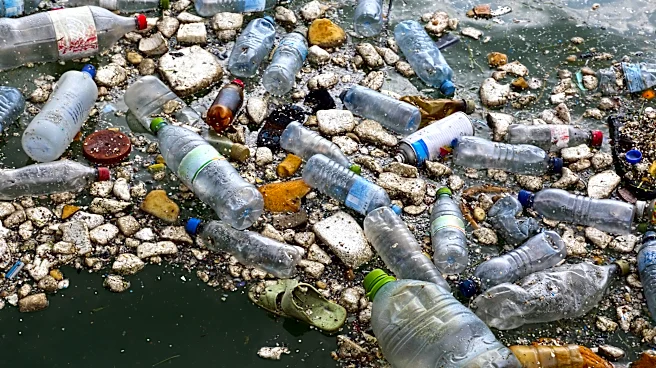
The 'Everything Reuse' toolkit highlights a deeper implication: the need to challenge the continued expansion of virgin plastic production and the reliance on single-use products, which are significant drivers of the climate crisis. By providing a common language and framework, the toolkit aims to make visible and value diverse reuse practices, many of which are currently overlooked or undervalued. This initiative also touches upon the social dimension of reuse, emphasizing the importance of building on existing knowledge and experience, and ensuring a just transition for workers and communities involved in reuse systems. This approach suggests a move towards more localized, community-based solutions that empower individuals and small businesses, rather than solely relying on large-scale industrial recycling. The toolkit's focus on responsible adoption and scaling of reuse systems, with principles like protecting human health and upholding producer accountability, could foster a more ethical and equitable transition to a circular economy.