






What's Happening?
Engineering is defined as the practical application of scientific principles to design, construct, and maintain various structures, machines, and systems. This broad field encompasses numerous specialized areas, including civil, chemical, mechanical,
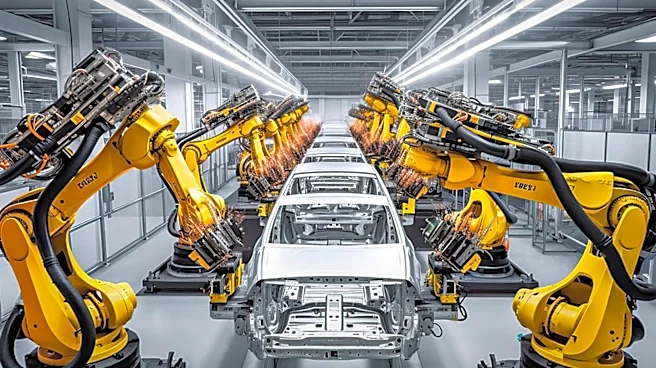
and electrical engineering. Engineers leverage science, mathematics, creativity, and problem-solving skills to develop innovative solutions, such as bridges, roller coasters, robots, and computer systems. A mechanical engineering degree, for instance, is highly versatile, preparing graduates for roles across a wide array of industries. The engineering process typically involves analyzing problems, designing and redesigning solutions, building prototypes, and conducting tests to refine products. The field also includes computer engineering and software engineering, which focus on the design and programming of computer systems.
Why It's Important?
The field of engineering is crucial for the advancement and functioning of modern society, impacting nearly every industry in the U.S. and globally. Engineers are at the forefront of innovation, creating the infrastructure, technologies, and systems that drive economic growth and improve quality of life. For example, mechanical engineers contribute to sectors ranging from aerospace and automotive to energy and healthcare, designing and testing essential machines and systems. The demand for skilled engineers is consistently high, as their problem-solving abilities are vital for addressing complex challenges, from developing sustainable energy solutions to enhancing cybersecurity and improving medical devices. The versatility of engineering degrees ensures a continuous pipeline of talent capable of adapting to evolving technological landscapes and market needs, making it a cornerstone of industrial and technological progress.
What's Next?
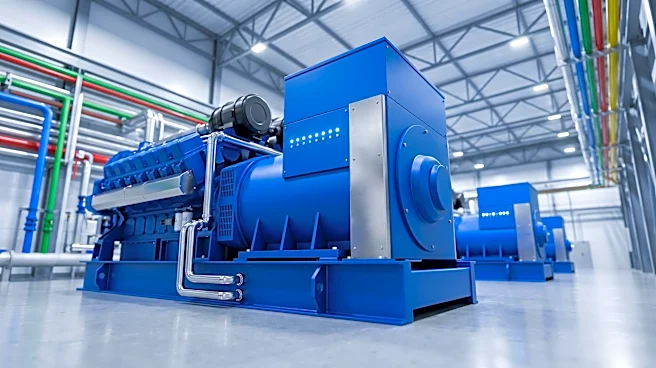
The future of engineering is expected to see continued evolution, particularly with advancements in areas like artificial intelligence and robotics. Educational institutions are focusing on preparing the next generation of engineers with strong foundations in math and physics, alongside practical and communication skills. Many programs emphasize hands-on experience through modern labs, team-based projects, and real-world applications, often culminating in capstone projects that simulate actual engineering development cycles. The integration of applied AI in engineering and computer science is a significant trend, with universities aiming to become preeminent centers in this domain. Furthermore, the industry will likely continue to seek engineers capable of developing innovative solutions for critical areas such as cybersecurity, infrastructure integrity, and power generation models, including renewable energy systems.
Beyond the Headlines
Beyond the immediate technical applications, engineering carries profound ethical and societal implications. The designs and solutions created by engineers directly influence public health, safety, and welfare, necessitating a strong ethical framework in their practice. Considerations of global, cultural, social, environmental, and economic factors are increasingly integrated into the engineering design process. For instance, the development of sustainable energy solutions and resilient infrastructure directly addresses climate change and resource scarcity. The collaborative nature of modern engineering, often involving diverse teams, also highlights the importance of inclusive environments and effective communication. This interdisciplinary approach ensures that engineering not only solves technical problems but also contributes to a more equitable and sustainable future, shaping long-term societal shifts and technological paradigms.