
What's Happening?
Ukraine has launched a series of strikes targeting Russian oil infrastructure, including a key oil-loading port on the Baltic Sea and two tankers allegedly used to transport Russian crude. The nighttime
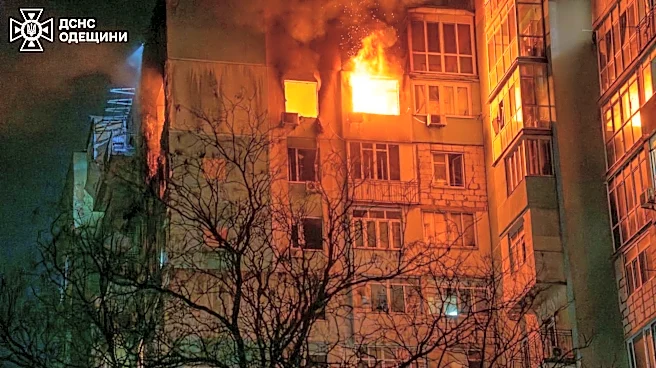
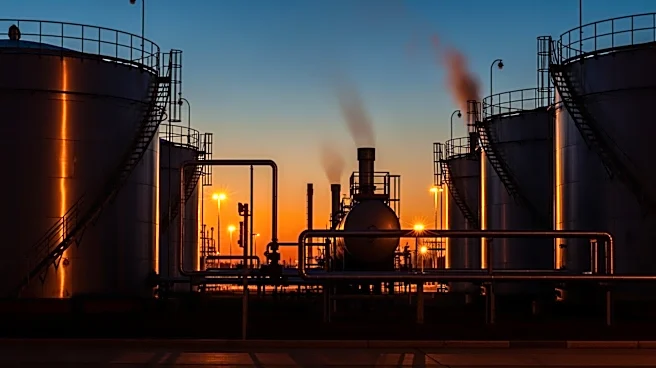
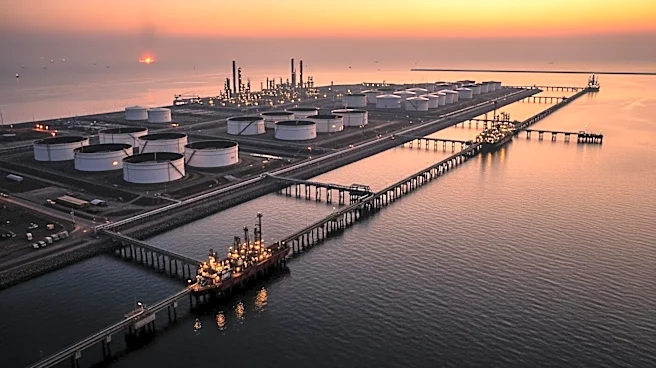
drone attack ignited a fire at the port of Primorsk, Russia's largest oil exporting facility on the Baltic Sea, as reported by Russian regional Governor Alexander Drozdenko. The port, operated by Transneft, Russia's state oil company, is a significant hub capable of handling hundreds of thousands of barrels daily. Ukrainian President Volodymyr Zelenskyy confirmed the strikes, stating that Ukrainian forces destroyed several military and oil infrastructure targets, including a Karakurt missile ship and a patrol boat. The strikes are part of Ukraine's intensified efforts to disrupt Russian oil exports, which Kyiv argues fund Moscow's military operations in Ukraine.
Why It's Important?
The attacks on Russian oil infrastructure by Ukraine mark a significant escalation in the ongoing conflict, highlighting the strategic importance of energy resources in the war. By targeting oil facilities, Ukraine aims to disrupt a critical revenue stream for Russia, potentially impacting the Russian economy and its ability to sustain military operations. This move could also influence global oil markets, potentially leading to fluctuations in oil prices and affecting international energy security. The strikes underscore the broader geopolitical tensions and the complex interplay between military actions and economic sanctions in the conflict.
What's Next?
The immediate consequences of these strikes could lead to heightened military responses from Russia, potentially escalating the conflict further. International stakeholders, including Western nations, may need to reassess their strategies and support for Ukraine, considering the implications for global energy markets. Diplomatic efforts might intensify to prevent further escalation and to address the broader impacts on international trade and security. Monitoring the situation closely will be crucial for understanding the evolving dynamics of the conflict and its global repercussions.