









What's Happening?
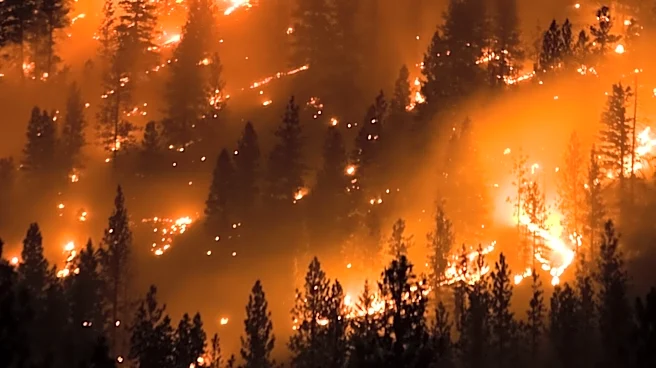
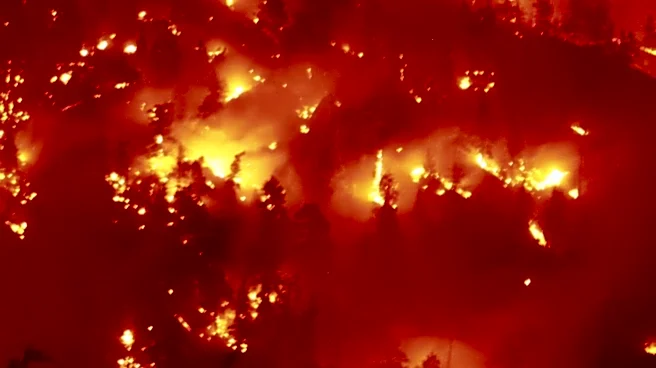
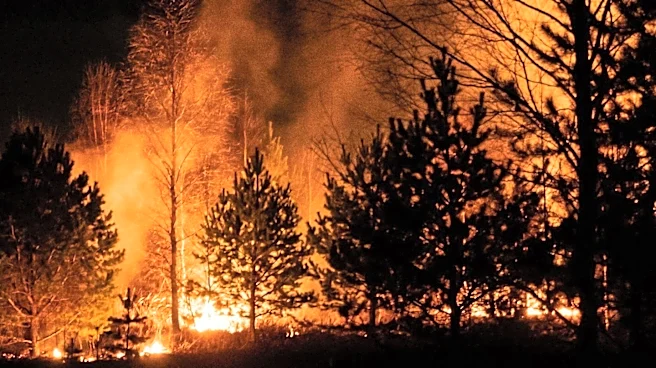
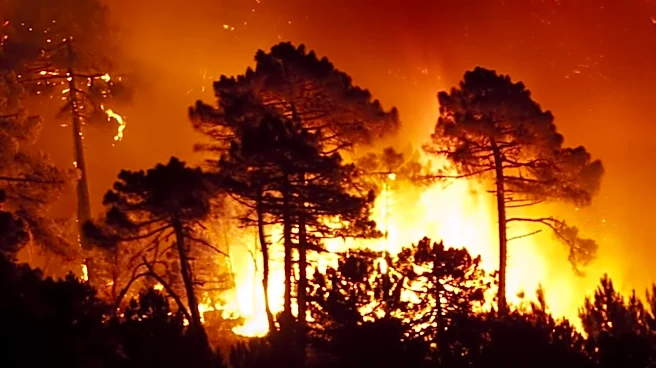
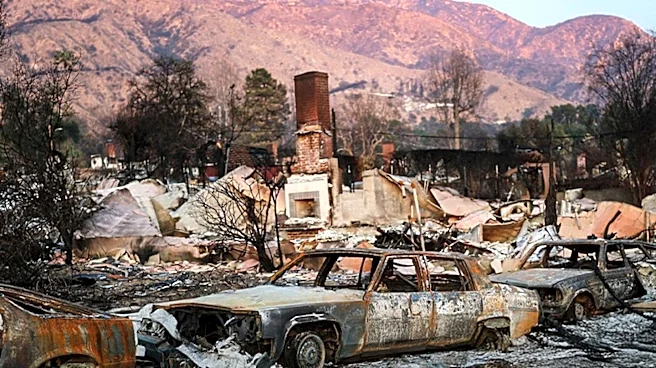
The Aspen Acres Fire has led to the evacuation of at least 11,000 people, with many residents facing the grim reality of losing their homes. Among those affected is Daisy Weeks, who has been reunited with her father after the devastating wildfire. The fire has caused
significant destruction, leaving some residents without a home to return to once the blaze is contained. The situation highlights the ongoing challenges faced by communities in fire-prone areas, as they grapple with the immediate impacts of such natural disasters.
Why It's Important?
The displacement of thousands due to the Aspen Acres Fire underscores the increasing frequency and severity of wildfires in the U.S., particularly in regions susceptible to such events. This incident not only affects the immediate victims, like Daisy Weeks and her family, but also has broader implications for emergency response systems, housing markets, and insurance industries. The economic and emotional toll on affected communities can be profound, necessitating robust support systems and preventive measures to mitigate future risks. The fire also raises questions about land management practices and climate change's role in exacerbating wildfire conditions.
What's Next?
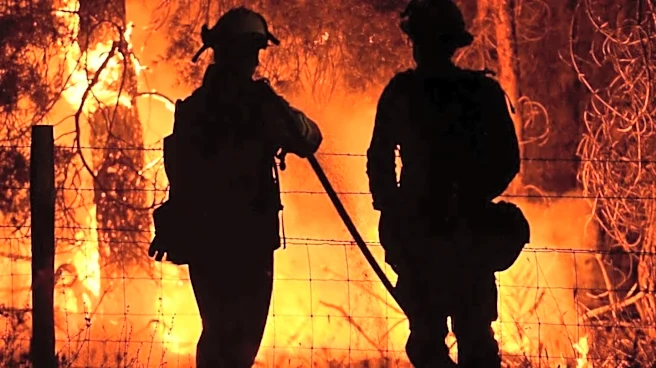
As the fire continues to burn, emergency services are focused on containment efforts and providing support to displaced residents. In the aftermath, there will likely be discussions on improving fire prevention strategies and enhancing community resilience. Authorities may also review evacuation protocols and resource allocation to better prepare for future incidents. For those affected, rebuilding efforts will be a long-term process, requiring coordination between government agencies, non-profits, and the private sector to ensure adequate housing and support services are available.