








What's Happening?
Janie Cole is departing from her role as commissioner of the Bureau for Family Assistance within the Morrisey administration. Her exit follows that of Dr. Stephen Loyd, director of the state’s Office of Drug Control Policy, and comes amid scrutiny of several
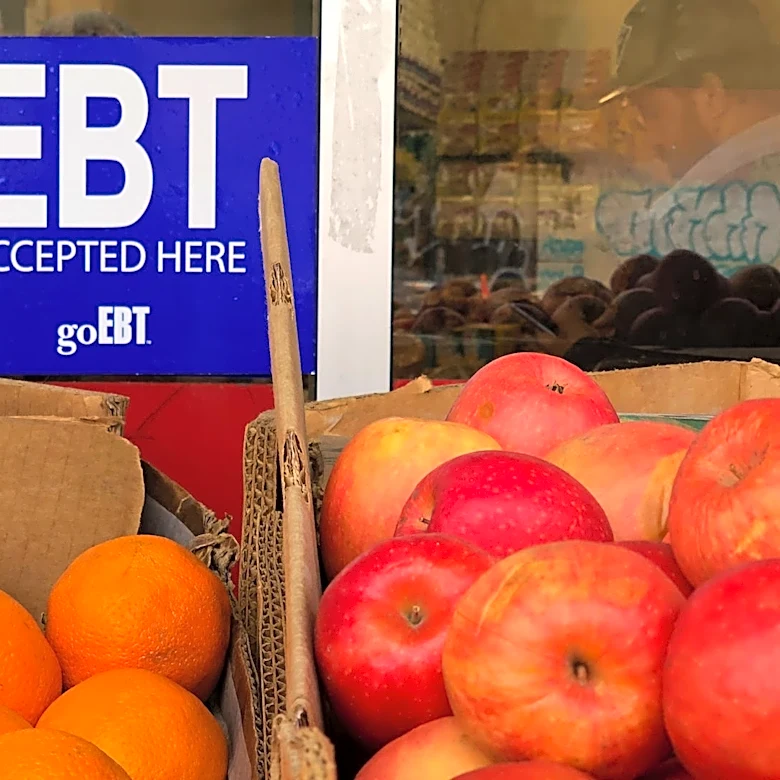
programs overseen by the Bureau. Cole, who has served as commissioner since 2023 and previously as deputy commissioner for the Bureau for Children and Families, has a long career dedicated to programs supporting vulnerable children and families. The Bureau for Family Assistance manages crucial initiatives such as federal food assistance, utility bill assistance, and the state’s school clothing allowance program, which faced issues this summer as Governor Morrisey evaluated its funding. The Bureau also oversees the child care subsidy program, funded by Temporary Assistance for Needy Families (TANF) dollars, which Governor Morrisey has flagged for potential cuts or changes due to dwindling TANF funds. Lars Dalseide, communications director for Governor Patrick Morrisey, stated that Cole is retiring, though no further details were provided by Dalseide or the Department of Human Services.
Why It's Important?
The departure of Janie Cole, a seasoned professional in child and family services, from a critical state agency is significant for several reasons. Her exit, alongside other high-profile resignations, suggests potential instability or shifts in leadership within the Morrisey administration, particularly concerning social welfare programs. The Bureau for Family Assistance plays a vital role in supporting West Virginia's most vulnerable populations through programs like food assistance, utility aid, and child care subsidies. Scrutiny and potential cuts to these programs, especially the child care subsidy program due to waning TANF dollars, could have profound impacts on families and children across the state. Delegate Kayla Young, D-Kanawha, expressed concern, noting that losing knowledgeable department heads makes addressing complex issues like childcare expansion more challenging. Cole's leadership saw the near doubling of Family Support Centers, aimed at preventing children from entering the foster care system, and her departure could affect the continuity and direction of these crucial initiatives. The situation highlights the ongoing challenges in balancing state budgets with the provision of essential social services.
What's Next?
The immediate next step will be the appointment of a new commissioner for the Bureau for Family Assistance. The Morrisey administration will need to find a replacement who can navigate the ongoing scrutiny of social welfare programs and address the challenges posed by dwindling TANF funds. The future of programs like the school clothing allowance and child care subsidies remains uncertain, with potential for changes or cuts as the administration continues its evaluation. Stakeholders, including lawmakers and advocacy groups, will likely closely monitor these developments and advocate for the continued support of vulnerable families. The departure of experienced leaders like Cole and Dr. Stephen Loyd may also prompt further examination of the administration's approach to state agencies and its impact on public services. The long-term implications for West Virginia's social safety net will depend on the policies and priorities of the new leadership within the Bureau for Family Assistance and the broader Morrisey administration.
Beyond the Headlines
Cole's departure, coupled with the scrutiny of programs under her purview, points to a deeper tension between fiscal conservatism and social welfare provision within state governance. The flagging of programs like the child care subsidy due to declining federal funds underscores a national challenge many states face in maintaining essential services amidst fluctuating federal support. This situation could trigger a broader debate on sustainable funding models for social safety nets and the role of state versus federal responsibility in supporting vulnerable populations. Furthermore, the loss of experienced leaders in critical state agencies can lead to a loss of institutional knowledge and continuity, potentially impacting the effectiveness and efficiency of public services. The comments from Delegate Young and Jim McKay, state director of Prevent Child Abuse West Virginia, highlight the value of dedicated public servants and the potential void created by their absence. This scenario could also influence public perception of the Morrisey administration's commitment to social programs and its ability to retain top talent, potentially becoming a political issue in future elections.