





What's Happening?
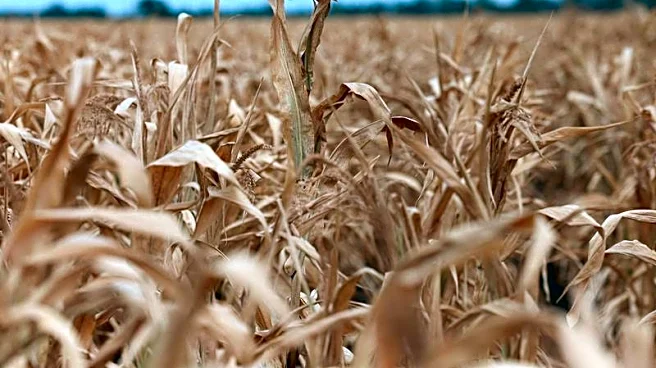
American farmers are currently benefiting from a significant rally in crop prices, a development largely attributed to punishing temperatures across the U.S. Midwest and global supply chain disruptions. Corn futures have surged approximately 15% since
late July, pushing prices above $5 a bushel to their highest levels since 2023. This increase is also influenced by heatwaves in Europe impacting grain harvests and the ongoing conflict between Russia and Ukraine, which is disrupting Black Sea exports. Additionally, China has increased its purchases of U.S. soybeans. Data from the U.S. Department of Agriculture projects a 6.1% year-over-year increase in farmers’ cash receipts from crops in 2026, with investors showing record net-bullish holdings in corn futures. Despite these positive indicators, farmers like Iowa's Dave Walton are cautiously optimistic, noting that while current prices allow for profitability, they seek sustained improvement before making substantial investments in equipment.
Why It's Important?
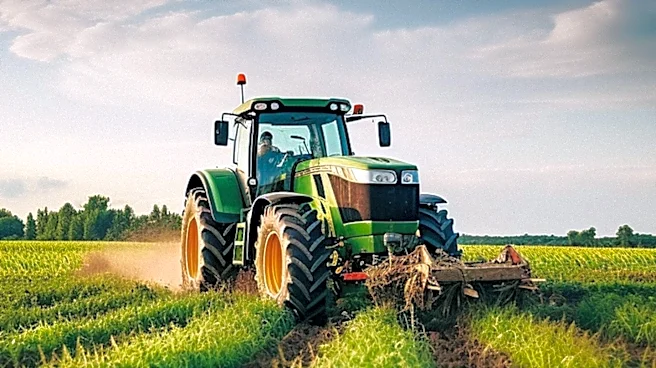
This crop price rally is a critical development for the American farm economy, which has faced years of depressed prices and rising costs. The increased profitability offers a much-needed financial reprieve for growers, potentially stabilizing farm incomes and reducing financial strain. For the broader U.S. economy, a healthier agricultural sector can lead to increased spending on farm equipment and services, stimulating related industries. Equipment manufacturers like AGCO Corp. are already observing a shift in farmer optimism translating into sales, though a full recovery in machinery demand is anticipated to be gradual. The global factors contributing to this rally, such as the Russia-Ukraine conflict and European heatwaves, highlight the interconnectedness of global food markets and the vulnerability of supply chains to geopolitical events and climate change. This situation could also influence U.S. trade balances as agricultural exports become more valuable.
What's Next?
Farmers are expected to continue selling into this rally, utilizing futures contracts to hedge risks and secure profitability. However, major investments in new machinery and infrastructure are likely to be deferred until there is clearer evidence of sustained market stability, potentially extending into 2027. Farm-equipment companies will closely monitor these trends, with executives like Scott Harris of CNH in North America anticipating an L-shaped global recovery, with the U.S. potentially leading. The ongoing geopolitical tensions and climate patterns will remain key variables influencing future crop prices and agricultural policy decisions. The U.S. Department of Agriculture will continue to release data that will inform farmers' decisions and market expectations.
Beyond the Headlines
The current crop price rally underscores the profound impact of climate change and geopolitical instability on global food security and agricultural markets. While beneficial for U.S. farmers in the short term, the underlying causes point to systemic vulnerabilities. The increased cost of staple crops could eventually translate to higher food prices for consumers, both domestically and internationally, raising concerns about inflation and food accessibility. This situation also highlights the strategic importance of agricultural production and the need for resilient food systems. The cautious approach of farmers in making large investments reflects a deeper uncertainty about long-term market conditions and the increasing volatility driven by external factors, prompting discussions on risk management strategies and agricultural subsidies.