




What's Happening?
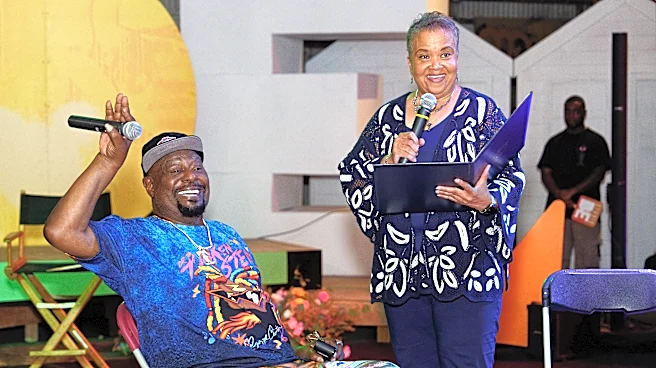
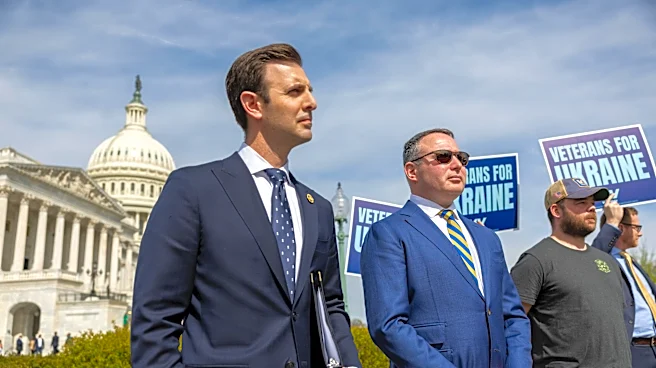
The Greater Prince William Veterans Treatment Docket recently celebrated the graduation of several participants. This program offers eligible veterans involved in the criminal justice system a structured treatment and recovery alternative to incarceration.
The program, which typically spans over a year, provides treatment for substance use disorders and mental health conditions, including post-traumatic stress disorder (PTSD) and traumatic brain injury. Upon successful completion, participants may have their charges reduced or dismissed. The docket connects veterans with crucial community support services, such as the Veterans Health Administration, the Virginia Department of Veterans Services, and the Virginia Employment Commission. The program was established in 2019 by the Prince William County General District Court, authorized by the Virginia Supreme Court, to address the unique challenges faced by justice-involved veterans.
Why It's Important?
This program is vital for addressing the specific needs of veterans within the criminal justice system. Many veterans face co-occurring conditions like PTSD and substance abuse, with over one in ten veterans needing substance abuse treatment, according to the National Institute on Drug Abuse. By offering a treatment-focused alternative to incarceration, the docket helps veterans overcome these challenges, fostering rehabilitation rather than perpetuating a cycle of incarceration. This approach not only benefits the individual veterans by providing them with the tools and support needed for recovery and reintegration into society but also contributes to public safety by reducing recidivism. The collaboration between various government agencies and community services ensures a comprehensive support system, recognizing that a holistic approach is necessary for effective recovery and long-term stability for veterans.
What's Next?
The Prince William County Veterans Treatment Docket will continue to operate under the Office of Criminal Justice Services (OCJS), offering ongoing support and treatment to justice-involved veterans. The program relies on a dedicated team, including Judges Wallace S. Covington, III and Abigail A. Miller, the Office of the Commonwealth's Attorney, the Public Defender's Office, Community Services, the U.S. Department of Veterans Affairs Veterans Justice Outreach Program, and volunteer veteran mentors. The success of these graduates serves as a model for other jurisdictions considering similar programs. Continued community involvement, particularly from volunteer veteran mentors, will be crucial for the program's sustained effectiveness. The program's impact will likely be monitored to assess its long-term benefits for veterans and the community, potentially leading to expansion or replication in other areas.
Beyond the Headlines
The Veterans Treatment Docket highlights a broader shift in the criminal justice system towards therapeutic jurisprudence, recognizing that underlying issues like mental health and addiction often drive criminal behavior, especially among specific populations like veterans. This approach moves beyond punitive measures to address the root causes of crime, offering a more humane and effective path to justice. The program also underscores the societal responsibility to support those who have served, acknowledging the profound impact of military service on mental and physical well-being. The reliance on volunteer veteran mentors creates a unique peer-support network, leveraging shared experiences to foster trust and recovery. This model could inspire similar specialized dockets for other populations with unique needs, promoting a more compassionate and effective justice system nationwide.