





What's Happening?
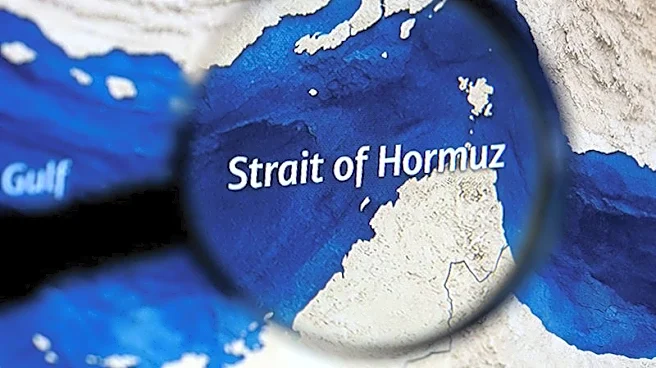
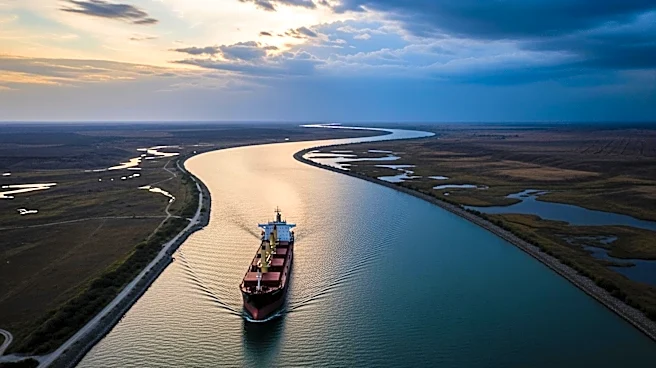
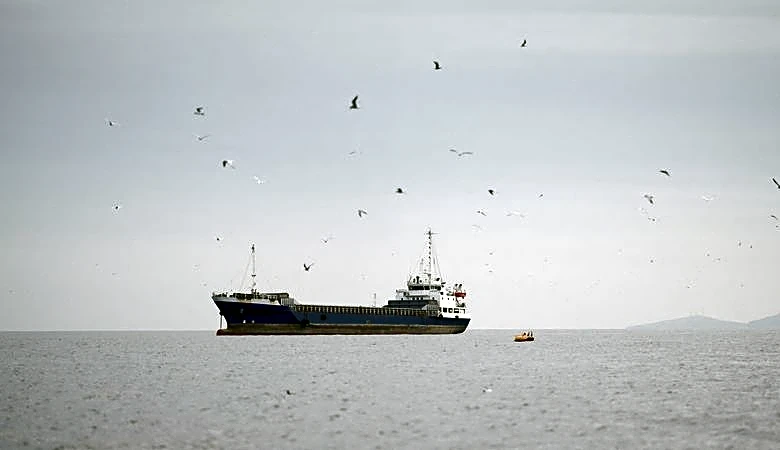
The UN Food and Agriculture Organization (FAO) has warned that prolonged disruption to the Strait of Hormuz could lead to a global agri-food crisis. The strait is a critical passage for 20% to 45% of key agri-food exports, and any continued blockage could result
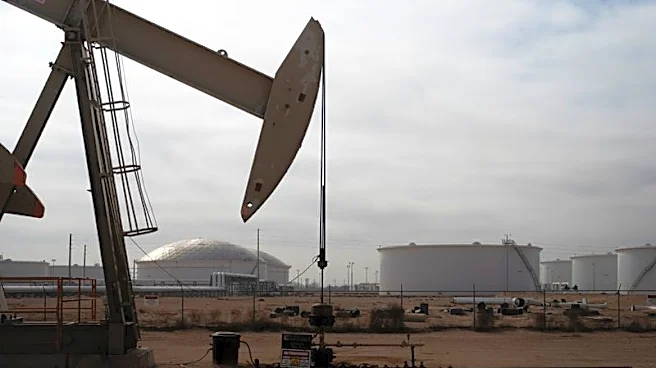
in significant food inflation and economic fallout. The FAO highlighted that if farmers are forced to reduce input use due to supply disruptions, crop yields could decline, leading to higher food commodity prices and retail food inflation. The current situation is exacerbated by the Iran war, which has already increased oil and gas costs, impacting the food supply chain.
Why It's Important?
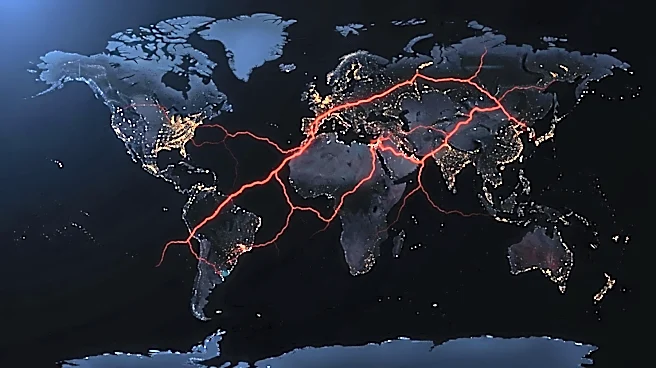
The potential agri-food crisis poses a significant threat to global food security, particularly in low-income, import-dependent countries. Rising food prices could lead to increased food insecurity and economic instability, reminiscent of the challenges faced during the Covid-19 pandemic. The disruption in the Strait of Hormuz also highlights the vulnerability of global supply chains to geopolitical conflicts, emphasizing the need for diversified supply routes and increased resilience in the agri-food sector. The FAO's warning underscores the importance of maintaining open trade routes and avoiding export restrictions to prevent further escalation of the crisis.
What's Next?
The FAO has urged governments to avoid export restrictions on energy and fertilizers and to reassess biofuel mandates to mitigate the impact of the disruption. Multilateral financing may be necessary for countries at risk of losing access to essential fertilizers during planting seasons. The International Monetary Fund (IMF), World Bank, and World Food Programme have also warned of the potential increase in food insecurity due to rising energy, fertilizer, and transport costs. As the situation develops, stakeholders will need to collaborate to ensure the stability of global food supplies and address the challenges posed by the ongoing conflict.