





What's Happening?
The Bill of Rights, comprising the first ten amendments to the United States Constitution, was ratified in 1791 to safeguard individual rights and freedoms and to address concerns about the extent of federal power. These amendments protect a range of liberties,
including freedom of religion, speech, press, assembly, and the right to petition, as outlined in the First Amendment. Other key protections include the right to bear arms (Second Amendment), protection against unreasonable searches and seizures (Fourth Amendment), due process rights (Fifth Amendment), and the right to a speedy and public trial (Sixth Amendment). Crucially, the Ninth Amendment affirms that individuals possess rights beyond those explicitly listed, while the Tenth Amendment reserves powers not delegated to the federal government to the states or the people, thereby limiting federal authority.
Why It's Important?
The Bill of Rights is a cornerstone of American government and civic life, establishing fundamental safeguards for individual liberty and defining the relationship between citizens and the government. Its provisions are vital for protecting freedoms exercised daily by Americans and serve as a critical check on governmental authority. Understanding these amendments is essential for citizens to comprehend their rights and the role of government in a constitutional democracy. The principles enshrined in the Bill of Rights continue to influence court decisions, public policy, and civic discourse, particularly in areas such as free speech, criminal justice, religious freedom, and privacy. Its enduring relevance ensures that debates over individual liberties and governmental power remain central to the U.S. legal and social landscape.
What's Next?
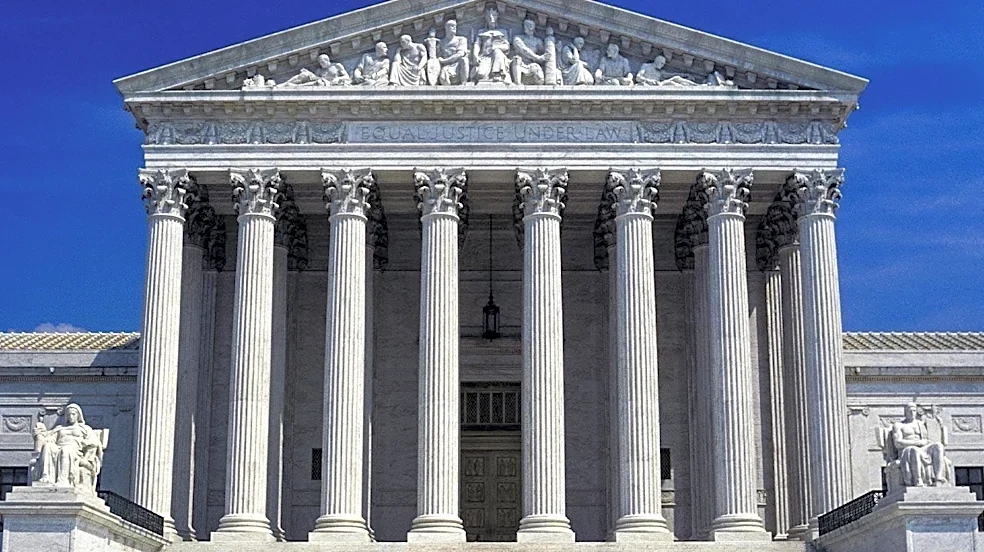
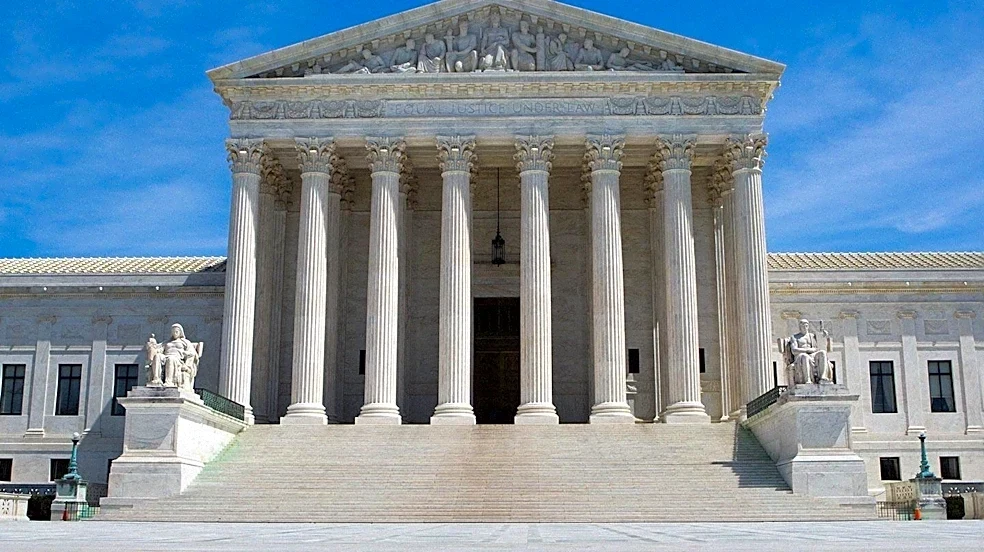
The Bill of Rights will continue to be a central reference point for legal interpretations and public policy debates in the United States. As society evolves, new challenges and technologies will prompt ongoing discussions about how these foundational rights apply in modern contexts, such as digital privacy and freedom of expression online. The judiciary, particularly the Supreme Court, will continue to play a crucial role in interpreting these amendments, shaping their application to contemporary issues. Advocacy groups and civil society organizations will also persist in their efforts to ensure that the protections afforded by the Bill of Rights are upheld and expanded for all individuals, reflecting the dynamic nature of rights in a democratic society.
Beyond the Headlines
The inclusion of the Ninth and Tenth Amendments in the Bill of Rights reveals a profound philosophical commitment to the idea that individual liberties are not exhaustively enumerated and that governmental power is inherently limited. This foresight addresses the concern that a list of rights might inadvertently restrict unlisted freedoms. The Tenth Amendment, in particular, underscores the principle of federalism, ensuring a balance of power between the federal government and the states or the people. These amendments highlight a deep-seated distrust of centralized authority among the framers and their desire to preserve a broad sphere of individual and state autonomy, a tension that continues to shape American political and legal thought.