






What's Happening?
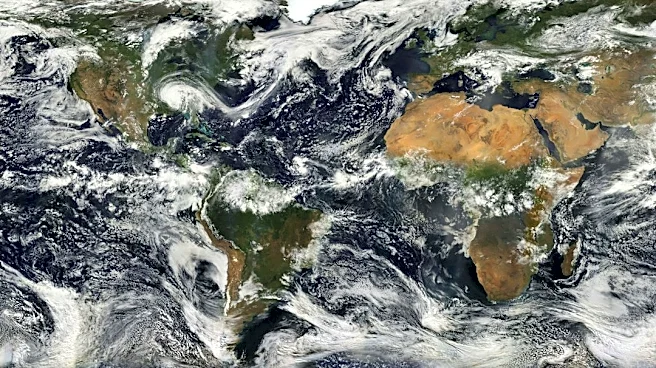
The natural climate pattern El Niño is expected to temporarily push global temperatures even higher, bringing additional heat and drought to vulnerable regions. This phenomenon, characterized by unusually warm sea surface temperatures in the central and eastern
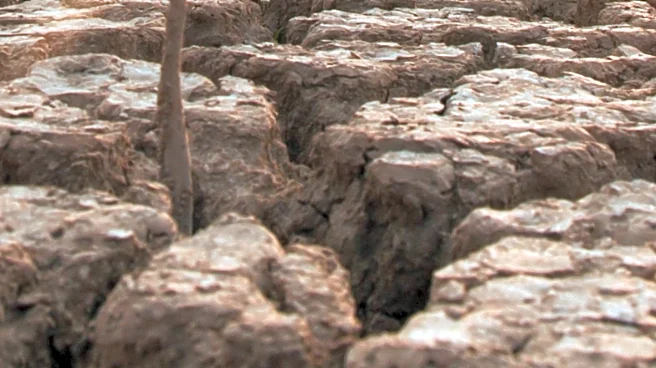
tropical Pacific Ocean, occurs every two to seven years and typically lasts about nine to twelve months. Its impact varies based on intensity, duration, and interaction with other climate variability modes. El Niño displaces tropical rainfall, leading to droughts in areas like northeast Brazil, Central America, and the Caribbean, while causing floods in others. All eight strong El Niños in the past 70 years have caused drought in Indonesia, and current models predict a dry autumn and winter there. Despite the predictability of these effects, many governments are not adequately prepared for the impending disasters.
Why It's Important?
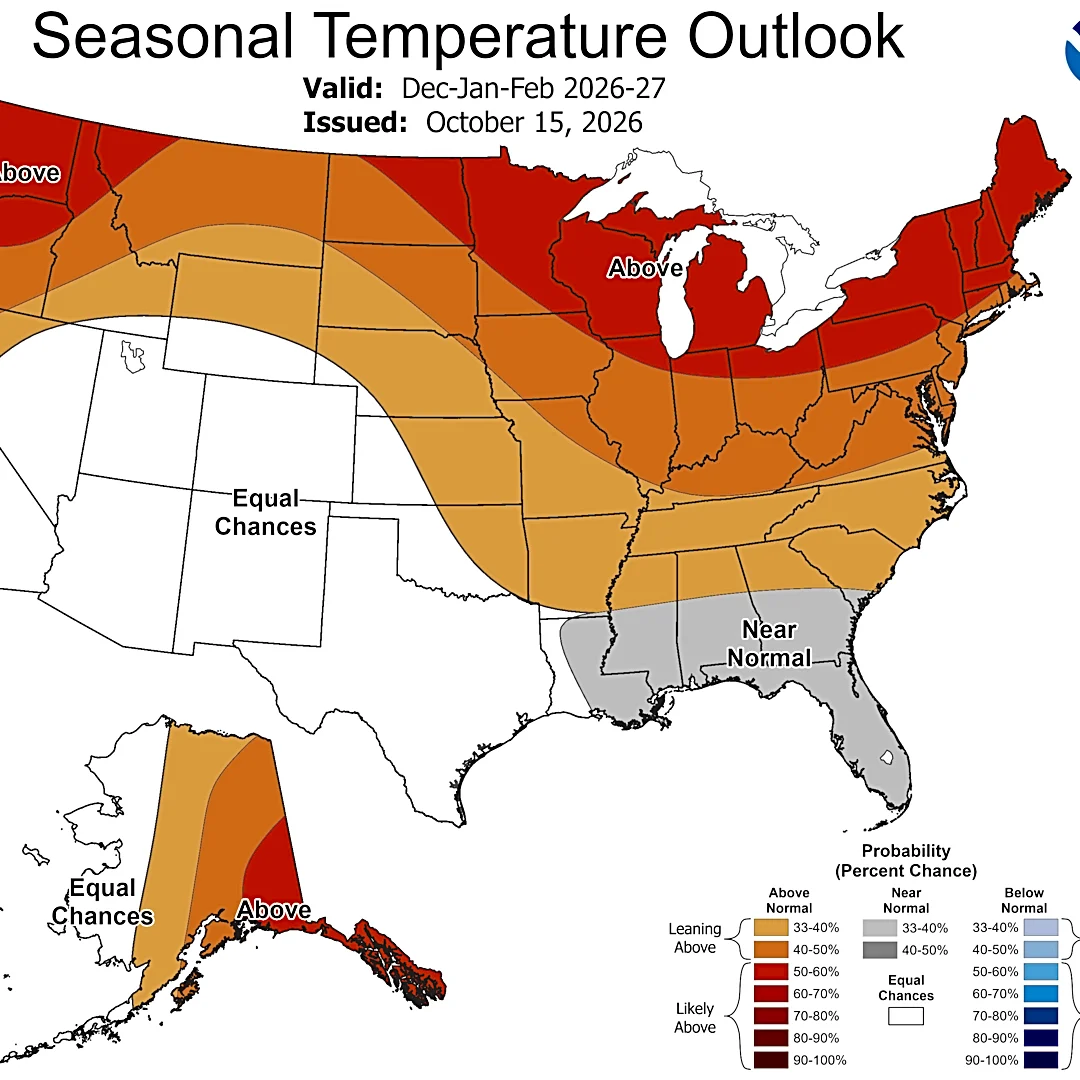
The anticipated intensification of global temperatures and drought due to El Niño carries significant implications for the U.S. and international communities. While El Niño is a natural cycle, its effects are exacerbated by global warming, leading to more extreme weather events. For the U.S., this could mean increased risks of heatwaves, droughts, and wildfires in certain regions, impacting agriculture, water resources, and public health. Globally, vulnerable countries, particularly those in Central America and parts of Asia, face heightened risks of food insecurity, water scarcity, and displacement. The lack of preparedness in many governments, despite the predictability of El Niño's effects, highlights a critical gap in disaster management and climate adaptation strategies. This situation can lead to humanitarian crises, economic instability, and increased migration pressures, potentially affecting U.S. foreign policy and aid efforts.
What's Next?
As El Niño progresses, vulnerable regions are expected to experience increased heat and drought, necessitating immediate and coordinated humanitarian responses. Governments and international organizations will likely focus on providing aid, food, and water to affected populations. There will be an increased emphasis on strengthening early warning systems and implementing drought-resistant agricultural practices. Discussions around geoengineering efforts to mitigate the worst impacts of El Niño may gain traction, though their feasibility and ethical implications remain subjects of debate. Ultimately, the long-term solution involves significant reductions in carbon emissions to halt global warming, which would lessen the severity of natural climate cycles like El Niño. The current El Niño event will serve as a critical test of global preparedness and resilience in the face of predictable climate extremes.
Beyond the Headlines
The recurring and intensifying nature of El Niño, amplified by global warming, exposes deeper systemic issues related to climate preparedness and global equity. The fact that predictable disasters continue to cause widespread suffering in vulnerable nations, despite scientific warnings, raises questions about international cooperation and resource allocation. The disparity in preparedness between wealthy and developing nations highlights a significant justice issue, where those least responsible for climate change often bear its heaviest burdens. This situation could lead to increased geopolitical tensions, as climate-induced migration and resource scarcity become more pronounced. The need for robust public infrastructure, capable of withstanding extreme weather, becomes paramount, not just in vulnerable countries but also in developed nations like the U.S., where existing infrastructure may not be ready for intensified climate events.