




What's Happening?
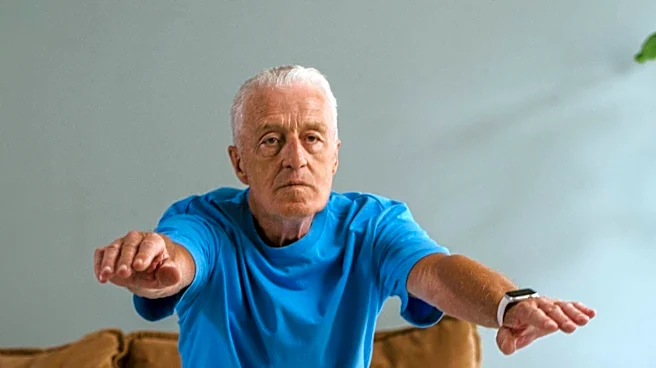
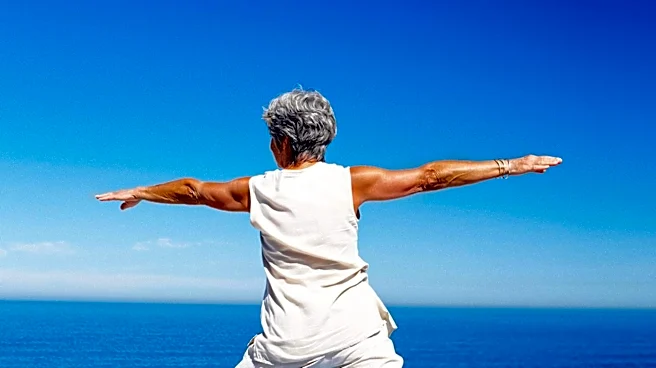
Geriatric doctors and researchers in San Antonio are strongly recommending regular walking, balance, and strength exercises for older adults. This initiative aims to help seniors maintain independence, prevent falls, and reduce hospitalizations. The local
experts emphasize the critical need for senior fitness programs in Bexar County, citing its large and growing senior population, which constitutes about 14.3% of its 2.16 million residents. The county also has the largest veteran population in Texas, with local leaders noting a significant increase in veteran nursing home placements. Researchers have also studied how frailty develops in Mexican American older adults, a significant demographic in Bexar County, and how culturally tailored exercise can be beneficial. Various local resources, including 12 comprehensive senior centers and initiatives like the Geriatrics Walking Clinic for older veterans, support these efforts. Dr. Neela K. Patel, Dr. Sara E. Espinoza, Dr. Angelica Davila, and Dr. Nicolas Musi are among the key figures leading these recommendations and research.
Why It's Important?
The emphasis on senior fitness in San Antonio carries significant implications for public health and social welfare across the U.S. As the senior population continues to grow nationwide, the strategies implemented in Bexar County could serve as a model for other regions facing similar demographic shifts. Promoting exercise among older adults can lead to a reduction in healthcare costs associated with falls, chronic disease management, and long-term care. For veterans, in particular, these programs offer a pathway to improved quality of life and reduced reliance on institutional care, addressing a critical need within this demographic. The focus on culturally tailored exercise also highlights the importance of inclusive health initiatives that cater to diverse communities, ensuring that fitness programs are accessible and effective for all older adults. This proactive approach to senior health can foster greater independence and enhance the overall well-being of the elderly population.
What's Next?
The ongoing efforts in San Antonio suggest a continued push for integrating senior fitness into routine healthcare and community services. Future steps may involve expanding existing programs, developing new exercise interventions, and increasing public awareness campaigns about the benefits of senior fitness. Healthcare providers are encouraged to screen seniors for exercise readiness and provide personalized recommendations, especially for those with chronic conditions. The collaboration between medical professionals, community centers, and research institutions is expected to strengthen, potentially leading to more evidence-based programs. Families of seniors are advised to seek professional guidance before starting new exercise routines and to consider in-home personal training options to ensure adherence and safety. The success of these initiatives could influence policy decisions and funding allocations for senior health programs at both local and national levels.
Beyond the Headlines
Beyond the immediate health benefits, the San Antonio initiative touches upon broader societal implications regarding aging and community support. The focus on maintaining independence through fitness challenges traditional views of aging as a period of inevitable decline. It underscores the value of preventative care and active living in later life, potentially shifting societal attitudes towards older adults. The research into culturally tailored exercise programs also highlights the importance of addressing health disparities and ensuring equitable access to health resources for all demographic groups. Furthermore, the economic impact of reduced healthcare burdens and increased productivity among healthier seniors could have ripple effects on local economies. This holistic approach to senior fitness could foster more age-friendly communities where older adults are empowered to lead active and fulfilling lives.