








What's Happening?
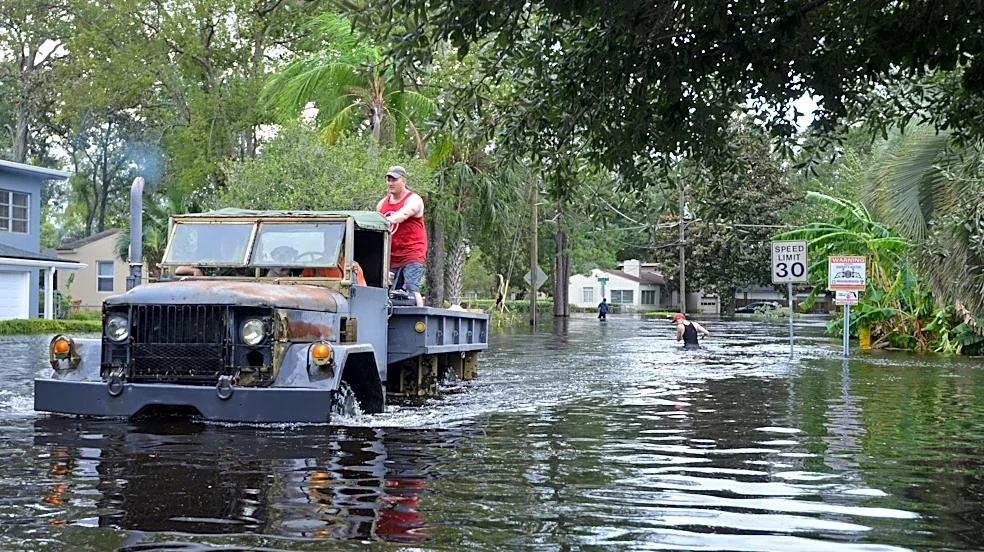
Plan International, an independent development and humanitarian organization, is drawing attention to the severe and unequal impact of climate change on girls in Nepal, particularly in the aftermath of floods. Hayley Cull, Deputy CEO of Plan International Australia,
observed the lasting consequences in the Nepalese hills where the Bhotekoshi River flooded a month prior. While physical infrastructure like buildings and bridges can be rebuilt, the organization emphasizes that the 'loss and damage' for girls often includes irreversible setbacks such as lost education and increased child marriage. Climate shocks, including heavier and longer rains in areas like Nuwakot and Rasuwa, and drought in flatlands, are pushing girls out of school and into early marriages to alleviate family burdens. This trend threatens to reverse decades of progress made by girls' rights advocates in reducing child marriage rates, which currently affect more than one in five girls globally and one in three in Nepal. Plan International's research indicates that climate change acts as a 'magnifying glass' on existing inequalities, escalating risks of poverty, child marriage, and violence for vulnerable girls.
Why It's Important?
The disproportionate impact of climate change on girls, as highlighted by Plan International, underscores a critical global justice issue with significant implications for human rights and sustainable development. When girls lose access to education or are forced into child marriage due to climate-induced disasters, it represents a permanent loss to their country's future workforce and tax base, extending beyond immediate welfare costs. This situation perpetuates cycles of poverty and inequality, hindering national development efforts. The call for climate justice, demanding that those most responsible for climate change bear the costs of its damage, is crucial for addressing these systemic issues. The long-term consequences include a generation of girls deprived of their potential, contributing to broader societal instability and economic stagnation. This issue also challenges the international community to integrate gender-sensitive approaches into climate action and disaster response, recognizing that climate change is not gender-neutral and therefore, responses cannot be either.
What's Next?
Plan International advocates for a climate response that is not gender-neutral, emphasizing the need for targeted interventions to protect girls from the exacerbated risks of climate change. This includes ensuring continued access to education during and after climate disasters, implementing programs to prevent child marriage, and providing support for families to cope with economic hardships without resorting to harmful practices. The organization's ongoing efforts will likely involve continued advocacy for climate justice, urging countries and corporations responsible for significant emissions to contribute to 'loss and damage' funds. Furthermore, there will be a focus on strengthening community resilience and preparedness in vulnerable regions like Nepal, integrating gender equality principles into all disaster risk reduction and climate adaptation strategies. The stories of affected girls will continue to be central to Plan International's campaigns, aiming to mobilize global action and resources to address these pressing issues.
Beyond the Headlines
The situation in Nepal, as described by Plan International, reveals deeper ethical and cultural dimensions of climate change. It exposes how environmental crises intersect with existing social inequalities, particularly gender inequality, to create a compounding effect on vulnerable populations. The 'loss and damage' framework, typically focused on economic and infrastructural costs, needs to expand to include the profound and often irreversible human costs, especially the loss of childhood and future opportunities for girls. This raises questions about global responsibility and accountability, particularly for industrialized nations and corporations that have historically contributed the most to climate change. The long-term shift required is not just in climate policy but in a fundamental re-evaluation of development paradigms to ensure that climate action actively promotes gender equality and human rights, rather than inadvertently exacerbating existing disparities. The emotional toll on children, like the six-year-old orphaned by floods or the 12-year-old living in fear, underscores the urgent need for a compassionate and just global response.