




What's Happening?
Two private colleges in Minnesota, the University of Northwestern – St. Paul (UNW) and Macalester College, have launched a program to foster dialogue and understanding among students with differing political viewpoints. For the third consecutive year,
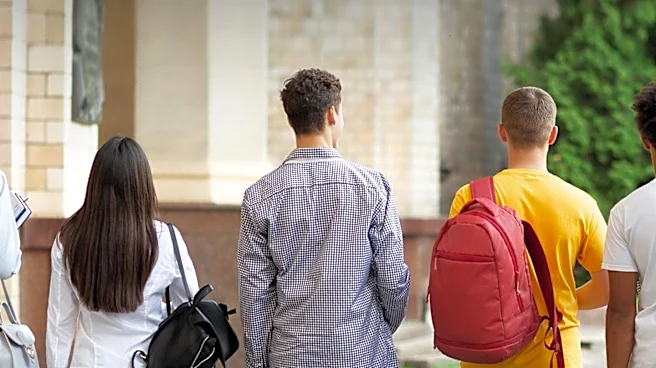
approximately 15 students from these institutions, one skewing conservative and the other liberal, will meet regularly to engage in facilitated conversations. The program, initiated by the presidents of both colleges, Corbin Hoornbeek at UNW and Suzanne Rivera at Macalester, aims to equip students with skills to constructively engage in conflict and bridge ideological divides. These sessions, held every other week, involve shared meals, guided discussions on prompts about life experiences, and reflections on challenging topics ranging from gun rights to trans rights. Political science professor Julie Dolan from Macalester and associate professor Juan Carlos Téllez from UNW will facilitate this year's conversations, emphasizing listening with an open mind and affirming the dignity of others despite disagreements.
Why It's Important?
This program is significant in addressing the increasing political polarization prevalent in American society, particularly among younger generations. By creating a structured environment for students from diverse ideological backgrounds to engage in respectful dialogue, the initiative aims to cultivate critical skills in civil discourse, empathy, and compromise. These skills are essential for a functioning democracy, where the ability to understand and negotiate with those holding different views is paramount. The program's success could serve as a model for other educational institutions and communities seeking to mitigate societal fragmentation. It highlights the role of higher education in fostering civic responsibility and preparing students to navigate complex social and political landscapes, ultimately contributing to a more cohesive and understanding citizenry. The initiative also challenges the isolating effects of social media, which often amplify divisions rather than bridge them.
What's Next?
The program will continue its regular bi-weekly sessions throughout the fall, with Professor Julie Dolan and Professor Juan Carlos Téllez leading the facilitated conversations. The focus will remain on providing students with opportunities to share their life experiences, listen actively, and reflect on challenging political and social issues. The colleges will likely continue to assess the program's impact on student participants, observing how these experiences shape their interactions and perspectives. There is potential for the program to expand, either by increasing the number of participating students or by inspiring similar initiatives at other colleges. The long-term goal is for students to internalize these skills, enabling them to engage constructively in conflicts beyond the program and contribute to a more unified society. The ongoing success of this initiative could also inform best practices for addressing political polarization in educational settings.
Beyond the Headlines
The program at UNW and Macalester College delves into the deeper societal implications of political polarization, particularly how it erodes trust and hinders collective problem-solving. By fostering direct, personal interactions, the initiative aims to counteract the dehumanizing effects of online discourse and ideological echo chambers. This effort touches upon the ethical imperative of education to not only impart knowledge but also to cultivate character and civic virtue. The program implicitly argues that genuine understanding and compromise are built on shared humanity, rather than solely on intellectual agreement. It also raises questions about the responsibility of educational institutions to actively shape a more civil and democratic future, moving beyond academic instruction to address fundamental social divisions. The success of such initiatives could signify a shift in educational philosophy towards a more holistic approach to student development, emphasizing interpersonal and civic competencies alongside traditional academic achievements.