



What's Happening?
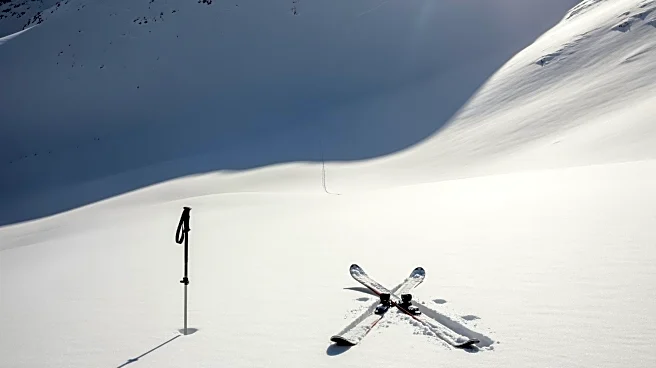
Two skiers lost their lives and another was injured following an avalanche on the Italian side of the Mont Blanc massif. The incident occurred in the Couloir Vesses, a popular freeride route in Courmayeur, near the border with France and Switzerland.
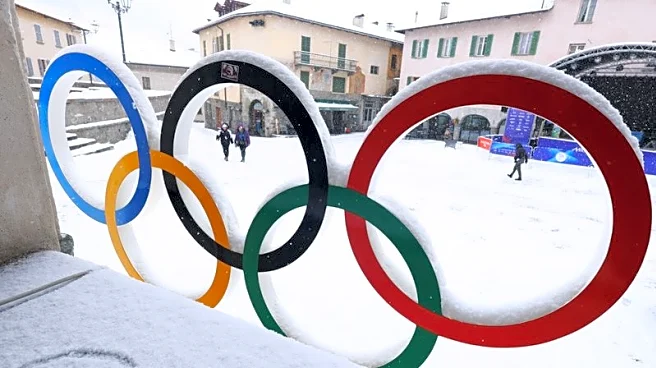
The avalanche struck around 11:00 a.m., catching at least three skiers. One of the victims was initially hospitalized in serious condition but later succumbed to their injuries. Italy's Alpine Rescue coordinated the search and recovery operation, deploying 15 rescuers, three canine units, and two helicopters. The avalanche occurred on ungroomed slopes, away from the well-maintained Olympic sites, which remain safe and constantly monitored.
Why It's Important?
This tragic event highlights the inherent risks associated with backcountry skiing, particularly in areas with unstable snowpacks. The Italian Alps have seen a record number of fatalities among skiers, climbers, and hikers due to avalanches, with 13 deaths reported over a week ending February 8. The recent snowfall and wind-swept snowcaps have created especially hazardous conditions. This incident underscores the importance of safety measures and awareness for those venturing into off-trail areas. It also raises questions about the balance between adventure tourism and safety in mountainous regions.
What's Next?
In response to the increased avalanche risk, authorities may consider implementing stricter safety protocols and advisories for backcountry skiing. There could be a push for enhanced monitoring and forecasting of avalanche conditions to prevent future tragedies. Additionally, the incident may prompt discussions on the need for better education and training for skiers and adventurers in recognizing and responding to avalanche risks.
Beyond the Headlines
The incident may lead to a broader examination of the impact of climate change on snow stability and avalanche frequency. As weather patterns shift, the traditional understanding of safe and unsafe conditions may need to be reevaluated. This could have long-term implications for winter sports tourism and the management of natural resources in alpine regions.