


What's Happening?
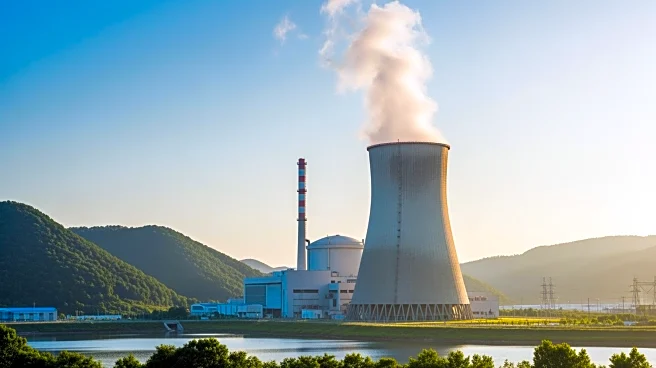
Japan has restarted Reactor #6 at the Kashiwasaki Kariwa power plant, marking the first nuclear reactor to be reactivated since the Fukushima disaster. This plant, the world's largest nuclear facility, was shut down following the 2011 tsunami and nuclear meltdown.
The restart is part of Japan's strategy to increase its nuclear energy share to 20% by 2040, up from the current 10%. This move comes amid economic challenges and a push for decarbonization, despite local opposition and safety concerns related to the plant's operator, Tokyo Electric Power Co.
Why It's Important?
The restart of Japan's largest nuclear plant is a significant step in the country's energy policy, aiming to reduce reliance on imported fossil fuels and enhance energy security. For the U.S., this development highlights the global shift towards nuclear energy as a viable solution for reducing carbon emissions. It also underscores the challenges of balancing energy needs with public safety concerns. The U.S. may observe Japan's approach to nuclear energy as a potential model for its own energy strategy, especially in the context of climate change and energy independence.
What's Next?
Japan's decision to restart its nuclear reactors may influence other countries to reconsider their nuclear energy policies. The U.S. could see increased discussions around nuclear energy as part of its clean energy transition. Additionally, Japan's success or challenges in managing nuclear safety and public perception will be closely watched, potentially impacting global nuclear energy policies and investments.