





What's Happening?
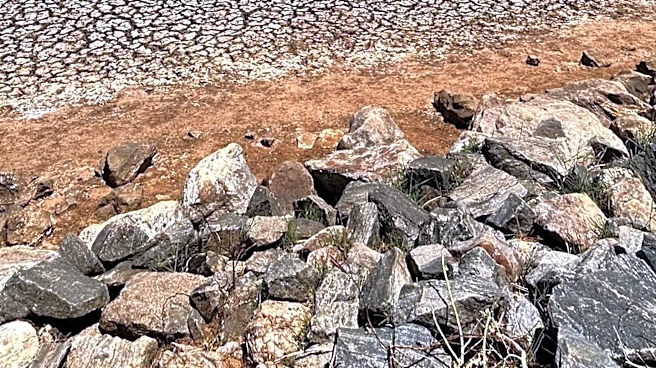
A recent study led by the Indian Institute of Technology Gandhinagar (IITGN) has revealed that ocean temperature patterns play a crucial role in preventing simultaneous global droughts. The research, published in Communications Earth & Environment, analyzed
climate records from 1901 to 2020 and found that synchronized droughts affected only 1.8% to 6.5% of the planet's land area at any given time. This is significantly lower than previous estimates suggesting that up to one-sixth of the Earth's surface could experience drought simultaneously. The study identified several 'drought hubs' in regions such as Australia, South America, southern Africa, and parts of North America. These hubs are areas where the probability of crop failure increases sharply during moderate droughts, particularly for crops like maize and soybean. The research highlights the influence of natural climate phenomena, such as the El Niño-Southern Oscillation, which affects rainfall patterns globally and helps limit the spread of droughts.
Why It's Important?
The findings of this study have significant implications for global agriculture and food security. By understanding how ocean temperature patterns influence drought synchronization, policymakers and scientists can develop better strategies to protect global food supplies. The research suggests that international trade, storage, and flexible policies can be leveraged to buffer against food shortages, as droughts do not impact all regions simultaneously. This approach could help stabilize global markets and prevent price spikes caused by crop failures in specific regions. Additionally, the study emphasizes the importance of data-driven climate research in identifying 'early warning' regions, allowing for proactive measures to mitigate the impact of local droughts on global food markets.
What's Next?
The study's authors suggest that policymakers focus resources on specific drought hubs and create pipelines to stabilize global markets before crop failures in one region trigger price spikes in another. By understanding the balance between oceans, rainfall, and temperatures, strategies can be developed to address drought risks in a warming climate. The research also highlights the need for continued international cooperation and investment in climate research to improve resilience against future droughts.
Beyond the Headlines
This research underscores the interconnectedness of global climate systems and the importance of considering Earth as an integrated network when addressing environmental challenges. The study's approach of treating drought onsets as events in a global network provides a new perspective on climate resilience and highlights the potential for innovative solutions to mitigate the impacts of climate change. By focusing on the natural diversity of climate responses, the findings offer a more hopeful outlook on managing drought risks in a changing world.