



What's Happening?
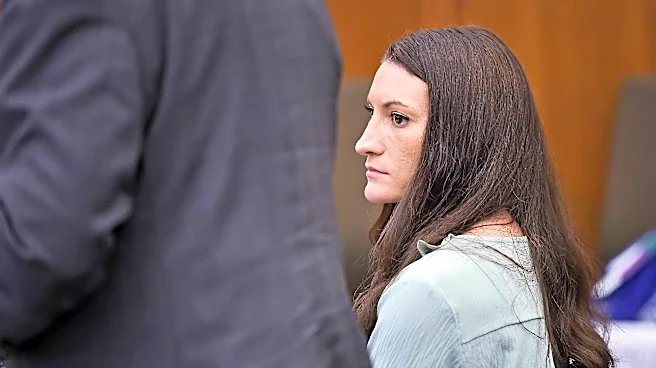
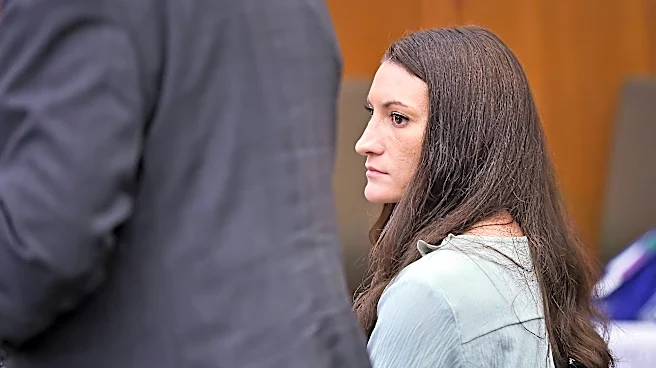
Larry Montes, 46, has been charged with felony hate crimes following a violent disruption at Central Synagogue in Midtown Manhattan. Montes made his first court appearance late Saturday night, where transcripts from the arraignment revealed graphic details
of the incident. Prosecutors allege that Montes rushed towards the rabbi, claiming to be 'God,' vandalized property, called worshippers 'fake Jews,' and struck a 63-year-old woman in the face, knocking her to the ground. He is also accused of headbutting and spitting on a Black security guard who was attempting to remove him, while also using a racial slur. In a post-Mirandized statement, Montes reportedly admitted to the crime, stating it was religiously motivated and that he harbored strong animosity towards both Jewish and Black people. The judge granted Montes bail, and his next court appearance is scheduled for Thursday. Rabbi Andrew Kaplan Mandel of Central Synagogue affirmed the institution's commitment to not allowing hatred to interrupt their worship.
Why It's Important?
This incident is highly significant as it represents a direct attack on a place of worship and its congregants, underscoring a disturbing rise in hate-motivated crimes. The charges of felony hate crimes against Larry Montes highlight the legal system's recognition of the severe impact of such acts, which target individuals based on their identity. The alleged dual animosity towards Jewish and Black people, as stated by Montes, points to the intersectionality of prejudice and the broad threat posed by hate-filled ideologies. For the Jewish community in New York City and beyond, this event evokes fear and reinforces the need for increased security and vigilance. It also serves as a stark reminder of the ongoing challenges faced by religious and racial minority groups in the U.S. The incident prompts broader societal reflection on the prevalence of hate speech and violence, and the importance of community solidarity in the face of such aggression. The legal proceedings will be closely watched as they could set a precedent for how such crimes are prosecuted and addressed.
What's Next?
Larry Montes is scheduled for his next court appearance on Thursday, where further legal proceedings will unfold. The Manhattan District Attorney's Office will continue to build its case, presenting evidence and arguments to secure a conviction on the felony hate crime charges. The granting of bail to Montes, despite the severity of the allegations and his two prior misdemeanors, may draw scrutiny and discussion. The Central Synagogue and the broader community will likely continue to grapple with the aftermath of the attack, potentially implementing enhanced security measures and fostering interfaith dialogue to counter hatred. The incident may also prompt local authorities and community leaders to address the root causes of such animosity and explore strategies for prevention. The outcome of Montes's trial will be crucial in demonstrating the justice system's commitment to combating hate crimes and protecting vulnerable communities.
Beyond the Headlines
The violent disruption at Central Synagogue transcends a mere criminal act, delving into the deeper societal currents of prejudice, religious intolerance, and racial animosity. The alleged perpetrator's explicit admission of religiously motivated hatred towards both Jewish and Black people reveals a dangerous convergence of bigoted ideologies that often fuel such attacks. This incident forces a critical examination of how hate speech proliferates and escalates into physical violence, and the role of community leaders, educators, and policymakers in countering these destructive narratives. It also highlights the psychological and emotional toll on communities targeted by hate, fostering an environment of fear and insecurity. The event serves as a poignant reminder that while legal remedies are essential, a comprehensive societal response is required to address the underlying prejudices that enable such acts. This includes promoting education, fostering empathy, and strengthening intergroup relations to build a more inclusive and tolerant society, ensuring that places of worship remain sanctuaries for all.