
What's Happening?
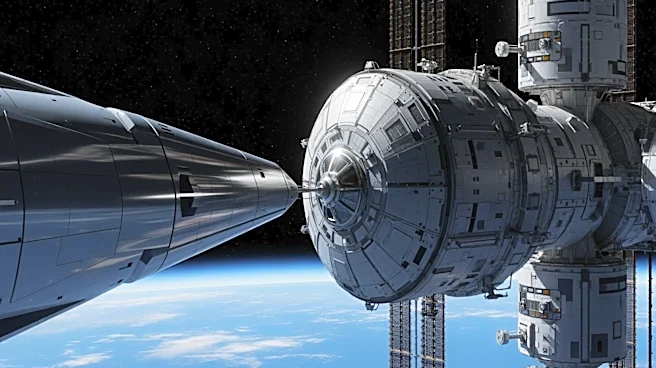
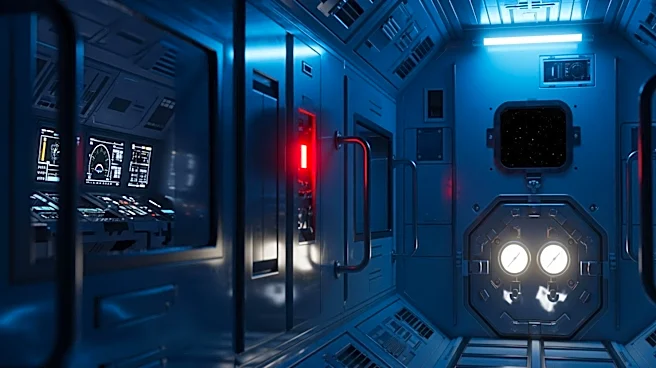
NASA recently ordered an evacuation of the International Space Station (ISS) due to an air leak detected in the Russian segment of the station. The incident prompted NASA to instruct five astronauts to take
shelter in the SpaceX Dragon spacecraft as a precautionary measure. The astronauts involved included four members of NASA's SpaceX Crew-12 mission and Chris Williams, a NASA astronaut from the Expedition 74 team. The Crew-12 mission comprises Jessica Meir, the spacecraft commander, Jack Hathaway, the pilot, Sophie Adenot, a mission specialist from the European Space Agency, and Andrey Fedyaev, a Russian mission specialist. The evacuation order was reversed approximately two hours later, allowing the astronauts to return to the station after the situation was deemed safe. The Russian crew on board was tasked with addressing the air leak, which posed a potential risk to the station's integrity.
Why It's Important?
The incident underscores the inherent risks and challenges of maintaining a human presence in space. Air leaks can compromise the safety of astronauts and the structural integrity of the ISS, necessitating immediate and coordinated responses from international space agencies. The event highlights the importance of international collaboration in space exploration, as astronauts from different countries work together to ensure safety and mission success. The quick response and resolution of the issue demonstrate the effectiveness of emergency protocols and the resilience of the ISS infrastructure. This incident may prompt further evaluations of the station's systems and protocols to prevent future occurrences, ensuring the continued safety of crew members and the success of ongoing scientific research conducted aboard the ISS.
What's Next?
Following the resolution of the air leak, NASA and its international partners are likely to conduct a thorough investigation to determine the cause of the leak and implement measures to prevent similar incidents. This may involve inspections of the affected modules and potential upgrades to the station's systems. The incident could also lead to discussions on the future of the ISS, including its maintenance and the role of international partnerships in space exploration. As the ISS continues to age, such incidents may become more frequent, prompting considerations for new space station projects or enhancements to existing infrastructure.