
What's Happening?
Mohammad Baqer Qazwini, a Shi'ite Muslim cleric in Michigan, made controversial remarks during a sermon, celebrating the death of Senator Lindsey Graham and praying for President Trump's death. The sermon, delivered
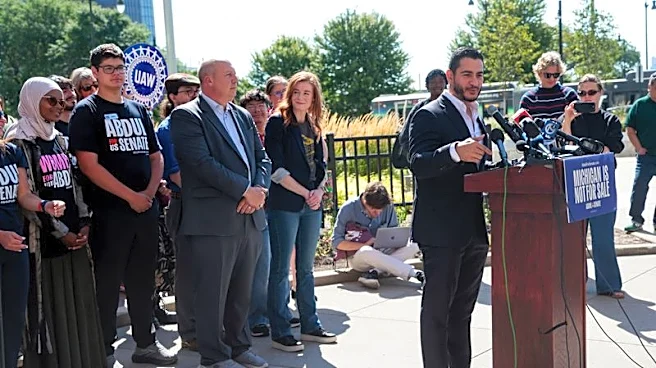
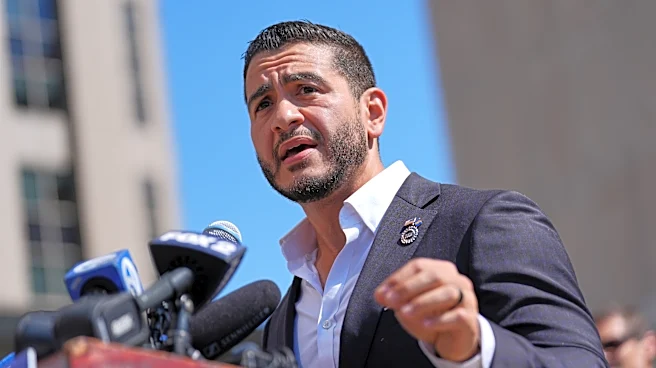
at the Islamic Institute of America, was captured on video and published by the Middle East Media Research Institute. Qazwini criticized Graham for his support of Israel and military actions in the Middle East. He also urged the Muslim community to support Abdul El-Sayed, who recently won the Democratic nomination for Michigan's U.S. Senate seat. El-Sayed, a former Detroit health director, is positioned to become the first Muslim elected to the U.S. Senate if he wins the general election.
Why It's Important?
Qazwini's remarks have sparked significant controversy, highlighting tensions within the political and religious communities. The comments come at a time when El-Sayed's candidacy is under scrutiny, particularly regarding his views on Israel and his potential impact on U.S. foreign policy. The imam's endorsement of El-Sayed underscores the role of religious leaders in mobilizing political support within minority communities. Additionally, the remarks have drawn criticism from Jewish organizations and political figures, further complicating the political landscape in Michigan ahead of the November elections.
What's Next?
As the general election approaches, El-Sayed's campaign will likely face increased scrutiny over his associations and policy positions. The controversy may influence voter perceptions and impact his chances against Republican opponent Mike Rogers. Political and religious leaders may continue to debate the implications of Qazwini's remarks, potentially affecting interfaith relations and community dynamics in Michigan. The outcome of the election could also have broader implications for the representation of Muslim Americans in U.S. politics.