








What's Happening?
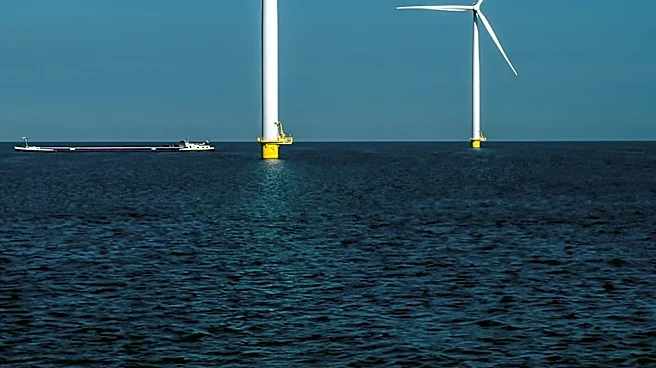
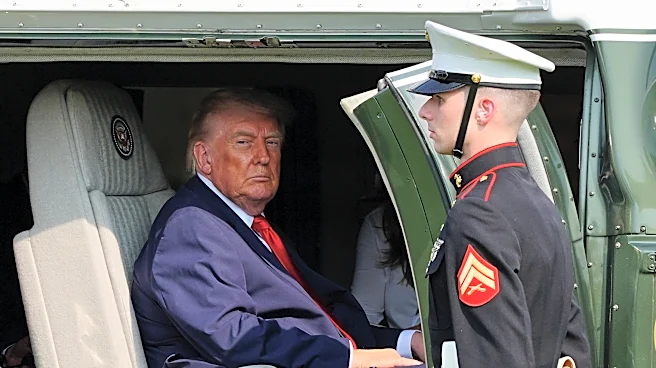
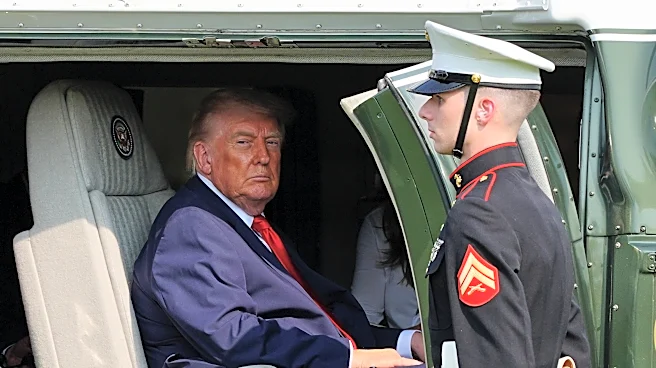
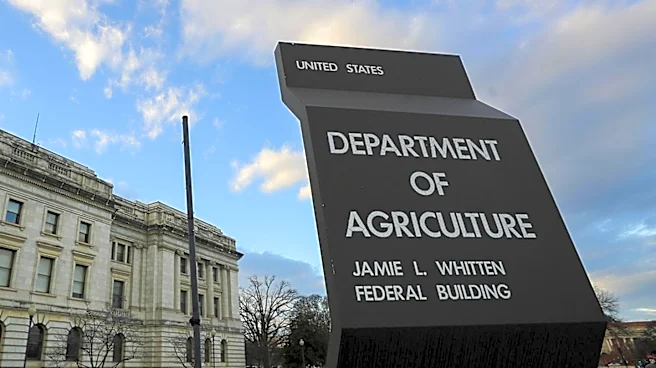
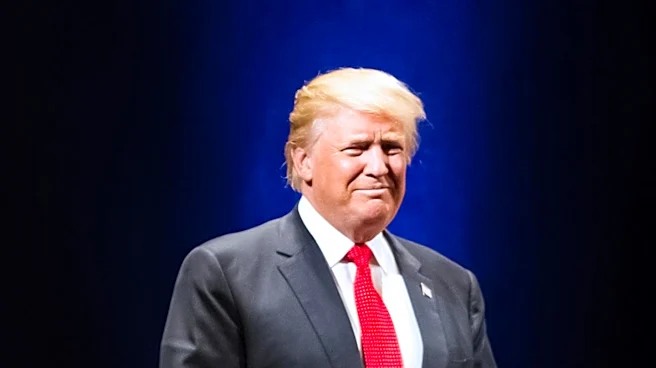
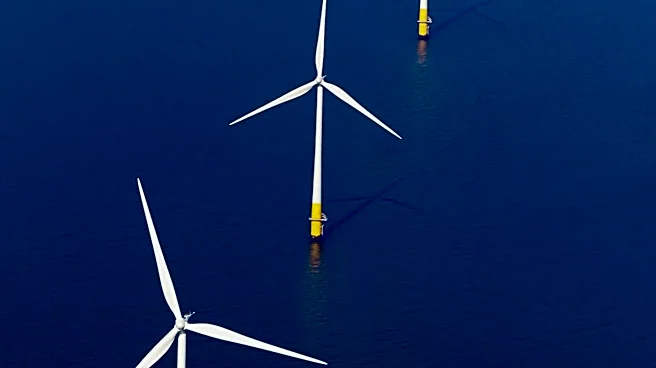
President Trump’s administration has halted offshore wind development, citing national security risks. The Interior Department, led by Secretary Doug Burgum, has stopped work on major projects and is buying back leases. A classified report from Defense
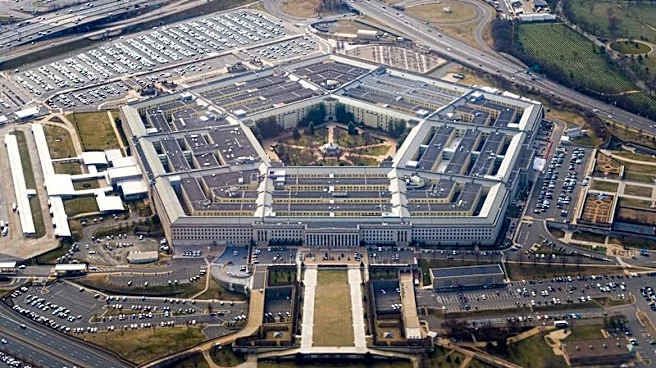
Secretary Pete Hegseth suggests that offshore wind poses a threat to national security. The administration argues that wind turbines interfere with radar and could allow undetected passage of autonomous drones. Despite these claims, federal judges have allowed construction to resume on several projects, questioning the administration's motives. The Pentagon has also delayed onshore wind projects, and the administration has used emergency orders to keep fossil fuel plants operational.
Why It's Important?
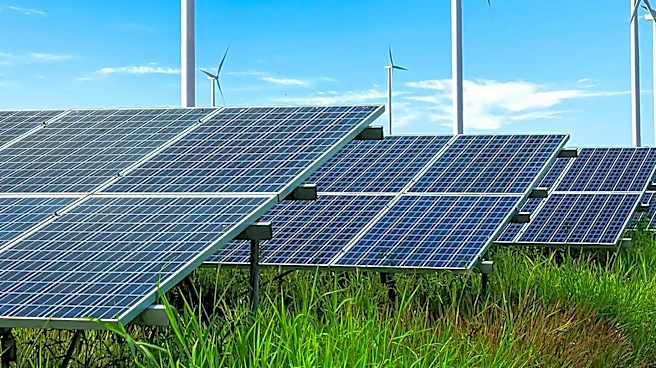
The halt on offshore wind projects impacts the U.S. energy sector, potentially slowing the transition to renewable energy. Offshore wind has the potential to meet the nation's annual electricity needs, but the administration's focus on fossil fuels could hinder this progress. The decision has sparked legal challenges from developers and states, highlighting tensions between national security and environmental goals. The administration's actions may also affect international perceptions of U.S. commitment to renewable energy, as other countries like Sweden and the UK continue to advance their offshore wind capabilities.
What's Next?
Legal battles are expected to continue as states and developers challenge the administration's actions. Congress may intervene, with some members seeking to impose deadlines for military evaluations of wind projects. The administration's stance on wind energy is likely to remain contentious, with ongoing debates about the balance between national security and environmental priorities. The outcome of these disputes could shape the future of U.S. energy policy and its alignment with global renewable energy trends.