






What's Happening?
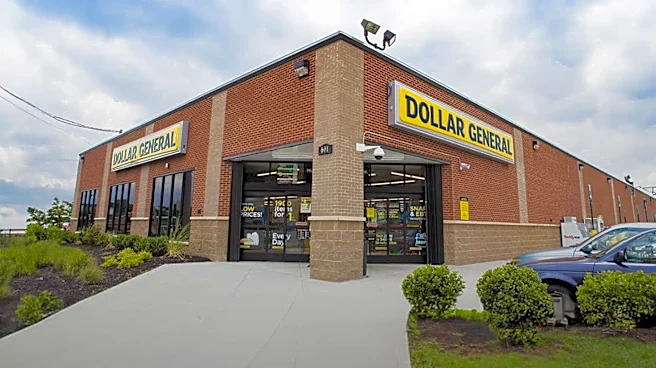
The Federal Trade Commission (FTC), joined by twenty U.S. states, has filed a lawsuit against Dollar General, alleging "long-running deceptive pricing practices." The complaint, filed in the U.S. District Court for the Middle District of Tennessee, claims
that Dollar General consistently charges customers higher prices at the register than those advertised on shelves and in promotional materials. The lawsuit asserts that Dollar General was aware of this issue but failed to rectify it. Christopher Mufarrige, director of the FTC’s Bureau of Consumer Protection, stated that the company has "betrayed the trust of millions of American consumers and imposed significant financial harm on communities and consumers who are already struggling to make their paychecks last." The states participating in the lawsuit include Alabama, Arizona, Arkansas, California, Connecticut, Florida, Illinois, Iowa, Kansas, Louisiana, Michigan, Mississippi, Nebraska, New Jersey, North Carolina, Ohio, Oklahoma, Tennessee, Utah, and Wisconsin. Dollar General, headquartered in Goodlettsville, Tennessee, has not yet responded to requests for comment.
Why It's Important?
This lawsuit is significant as it addresses a widespread consumer protection issue that impacts millions of Americans, particularly those in lower-income brackets who frequently shop at discount retailers like Dollar General. Deceptive pricing practices can erode consumer trust and disproportionately affect individuals and families who rely on advertised prices to manage tight budgets. The involvement of the FTC and twenty states underscores the perceived severity and scale of the alleged misconduct, indicating a coordinated effort to enforce fair pricing standards. This action could set a precedent for how regulatory bodies address pricing discrepancies in retail, especially in an era where consumers are increasingly frustrated by rising prices and new pricing strategies, including the use of artificial intelligence tools by retailers. A successful prosecution could lead to substantial penalties for Dollar General and potentially force changes in its pricing and operational practices, benefiting consumers nationwide.
What's Next?
The lawsuit will proceed in the U.S. District Court for the Middle District of Tennessee. Dollar General is expected to respond to the allegations, likely denying the claims or seeking a settlement. The legal process could involve discovery, motions, and potentially a trial, which could take a considerable amount of time. If found liable, Dollar General could face significant fines, be ordered to pay restitution to affected customers, and be mandated to implement new pricing accuracy measures. This case may also prompt other retailers to review their pricing practices to ensure compliance with consumer protection laws, especially given the current climate of consumer frustration over rising costs and perceived unfair pricing. The outcome could influence future regulatory actions against other companies accused of similar deceptive practices.
Beyond the Headlines
Beyond the immediate legal implications, this case highlights broader issues concerning corporate accountability and consumer vulnerability in the current economic climate. The alleged practices by Dollar General, if proven, suggest a systemic failure to uphold basic principles of fair commerce, potentially exploiting consumers who are already financially strained. The lawsuit also touches upon the evolving landscape of retail pricing, including the increasing use of technology like AI, which can introduce new complexities and potential for opaque pricing. This situation could spark a wider conversation about the ethical responsibilities of large corporations towards their customer base, particularly when serving communities with limited shopping alternatives. It also underscores the critical role of regulatory bodies like the FTC in safeguarding consumer interests against practices that undermine economic fairness and transparency.