



What's Happening?
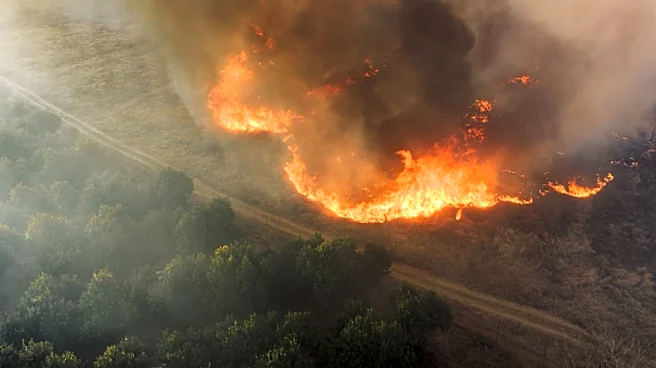
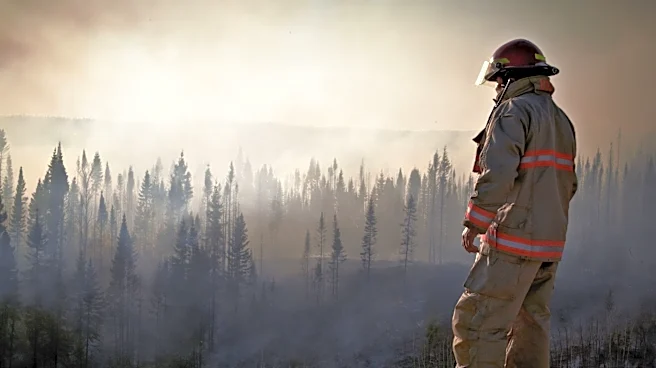
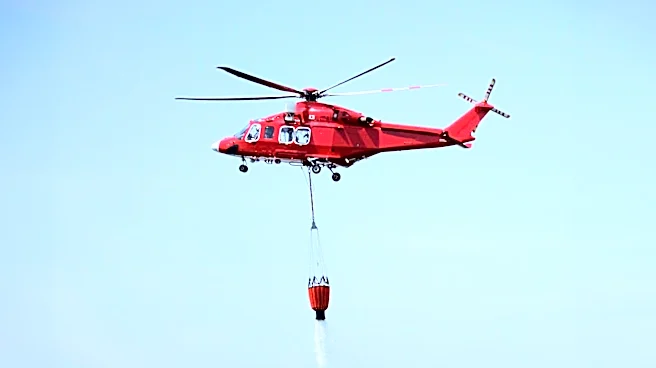
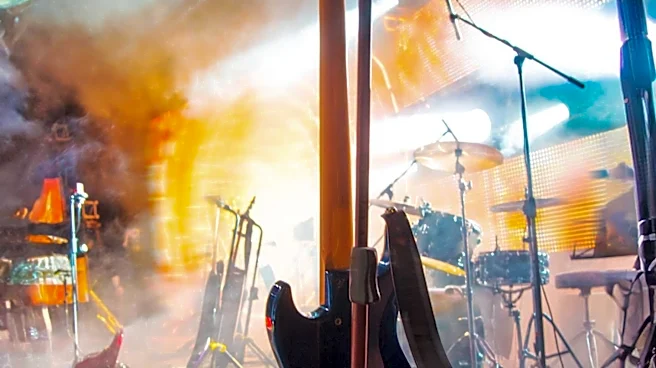
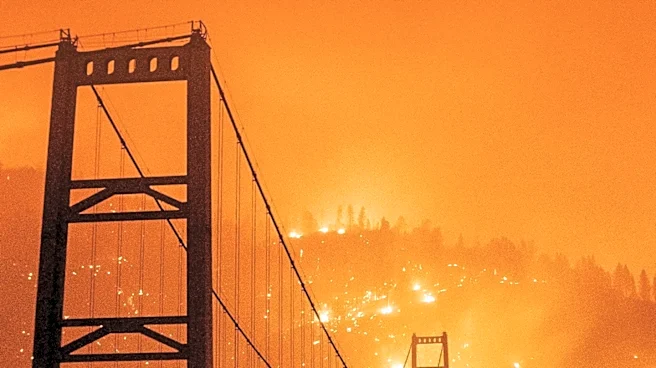
The Downtown Vernon Association's Downtown Sounds concert, scheduled for July 23, 2026, has been canceled due to poor air quality caused by wildfire smoke. The smoke, originating from wildfires in the Fraser Canyon and other areas in the southern Interior,
has significantly deteriorated air quality in the North Okanagan region. Environment Canada has rated the air quality health index at nine out of ten, indicating a high risk. The smoke is expected to continue affecting the area for the next 24 to 48 hours. Additionally, a heat warning remains in effect, with temperatures forecasted to reach 37 degrees Celsius across various regions, including the Okanagan. The concert series is expected to resume next week if air quality conditions improve.
Why It's Important?
The cancellation of the Downtown Sounds concert highlights the broader impact of wildfires on community events and public health. Poor air quality poses significant health risks, particularly for vulnerable populations such as seniors, individuals with pre-existing health conditions, and those with limited mobility. The situation underscores the challenges faced by communities in managing outdoor events amid environmental hazards. The ongoing heatwave further exacerbates health risks, emphasizing the need for public awareness and preparedness in dealing with extreme weather conditions. The disruption of local events also affects community engagement and economic activities tied to such gatherings.
What's Next?
The Downtown Vernon Association plans to resume the concert series next week, contingent on improved air quality. Local authorities and event organizers will likely monitor environmental conditions closely to ensure public safety. The situation may prompt discussions on contingency planning for outdoor events in regions prone to wildfires and extreme weather. Community members are advised to stay informed about air quality updates and take necessary precautions to protect their health. The ongoing environmental challenges may also lead to increased advocacy for policies addressing climate change and its impact on public health and safety.