





What's Happening?
Fairfax County's Office of Environmental and Energy Coordination is actively promoting various renewable energy options for its residents and businesses. These options include community solar programs and Renewable Energy Credits (RECs). Renewable energy sources,
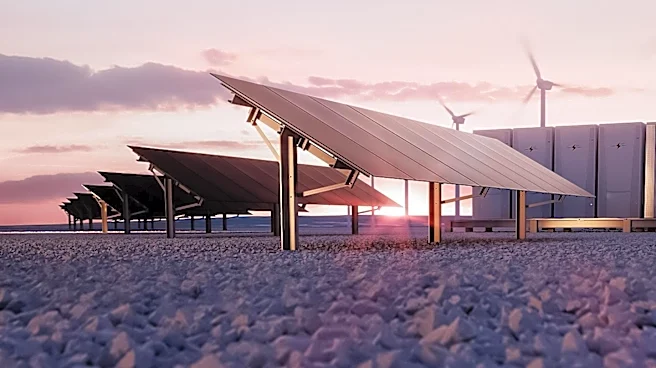
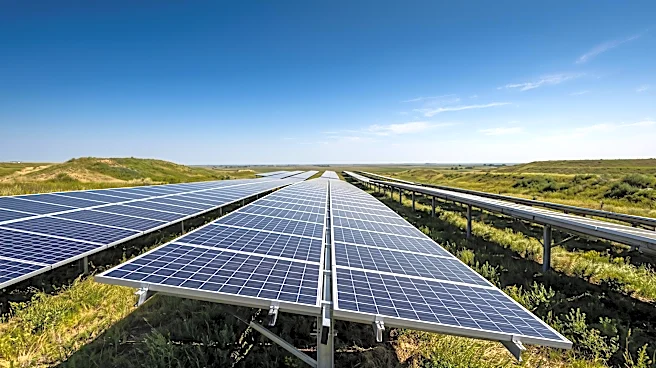
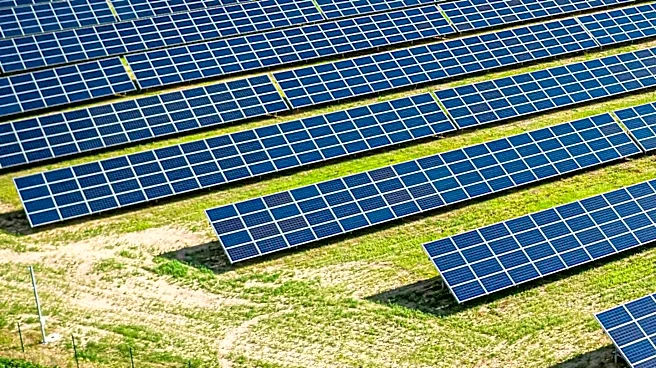
such as solar, wind, geothermal, biomass, and hydropower, are highlighted as naturally replenishing and free from fossil fuel-related greenhouse gas emissions. The county emphasizes that these programs offer practical solutions for individuals and small business owners who may not be able to install their own solar systems due due to factors like cost, property type, or leasing restrictions. Energy providers like Dominion Energy and NOVEC, along with non-profit organizations in Virginia, offer programs that enable customers to participate in expanding green power on the grid. Community solar allows participants to connect to local solar farms and benefit from clean energy generation, often resulting in savings on electric bills. RECs are tradeable certificates representing the environmental attributes of electricity generated from renewable sources, allowing customers to support renewable energy development without directly generating it.
Why It's Important?
The promotion of community solar and RECs by Fairfax County is important for several reasons. It provides accessible pathways for a broader segment of the population, including renters and small business owners, to contribute to renewable energy adoption and reduce their carbon footprint. This initiative helps to increase the demand for clean energy, which in turn supports the development and expansion of new renewable energy projects. By offering alternatives to traditional fossil fuel-based electricity, the county is working to reduce reliance on non-renewable resources and mitigate climate change. The financial benefits, such as potential savings on electric bills through community solar, also make these options attractive to consumers. Furthermore, these programs contribute to a more diversified and resilient energy grid, lessening vulnerability to fossil fuel price volatility and supply shocks.
What's Next?
Fairfax County will likely continue to expand its outreach and educational efforts to inform more residents and businesses about the benefits and availability of community solar and REC programs. The success of these initiatives could lead to increased participation, driving further investment in local renewable energy infrastructure. As more customers enroll, there will be a greater market demand for clean energy, potentially encouraging more energy providers and non-profit organizations to offer similar programs or expand existing ones. The county may also explore additional incentives or policies to make renewable energy even more accessible and affordable. Continued collaboration with energy providers and community organizations will be crucial for the sustained growth and effectiveness of these renewable energy efforts in Fairfax County.
Beyond the Headlines
Beyond the immediate environmental and economic benefits, Fairfax County's focus on community solar and RECs signifies a broader shift in how local governments are empowering citizens in the energy transition. It addresses the equity aspect of renewable energy access, ensuring that clean energy is not solely the domain of homeowners with suitable properties for rooftop solar. This approach fosters a sense of collective responsibility and participation in climate action. It also highlights the evolving role of energy providers, moving beyond traditional electricity supply to offering innovative solutions that align with sustainability goals. The long-term implications include a more decentralized and democratized energy system, where individual choices collectively drive significant environmental impact and contribute to a more sustainable future for the region.