



What's Happening?
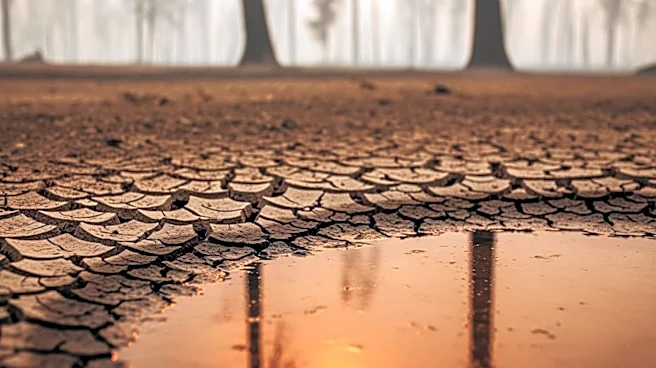
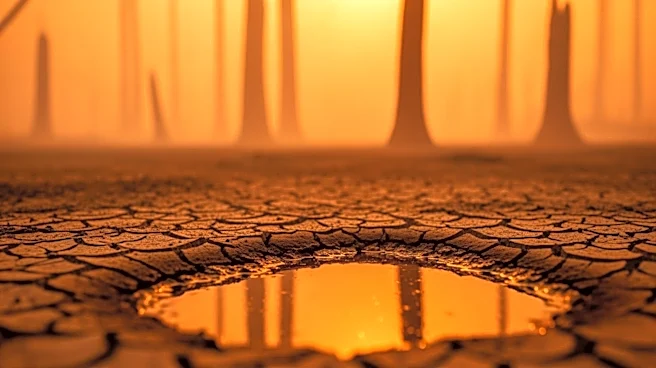
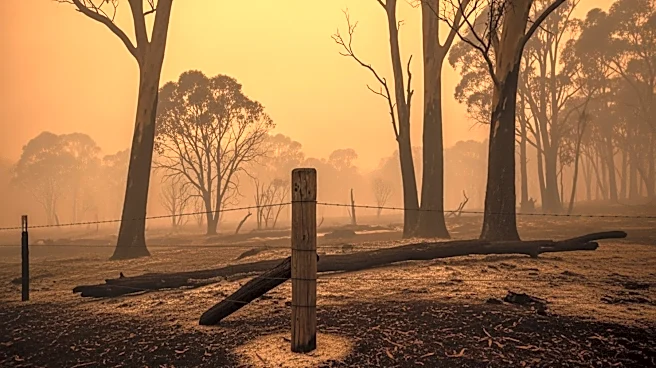
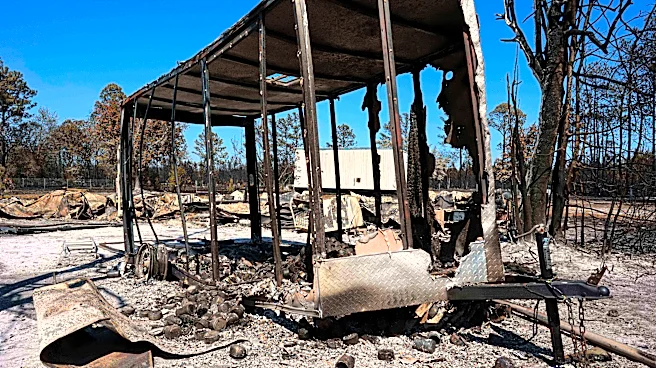
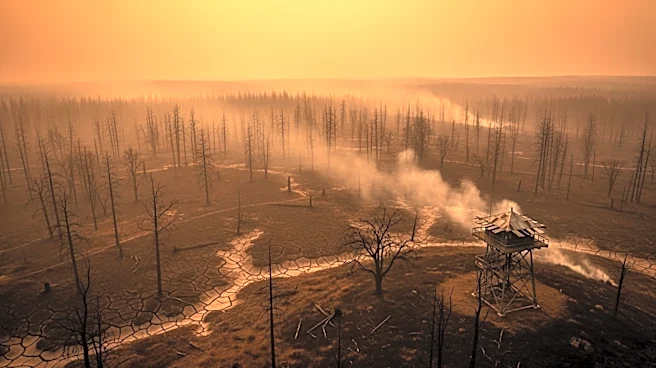
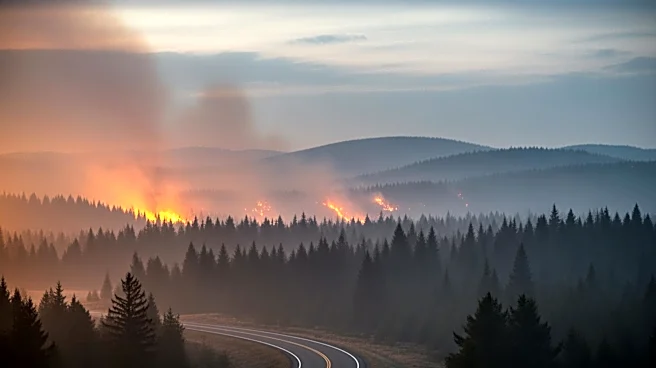
Wildfires are increasingly affecting the quality of drinking water in the United States. According to NASA, the warming climate is intensifying wildland fire activity, which in turn degrades water quality in forested watersheds that supply water to nearly
two-thirds of U.S. municipalities. The contamination occurs through direct exposure to suspended solids, nutrients, organic carbon, and heavy metals, with some levels exceeding U.S. EPA safe standards by up to 66,000 times. Additionally, infrastructure damage from fires, such as the breakdown of PVC pipes at high temperatures, releases volatile organic compounds into the water supply. This contamination can persist for months, as smoke and ash deposit contaminants into snowpack and soils, which are then released into water systems through snowmelt and runoff.
Why It's Important?
The impact of wildfires on drinking water is significant, posing a public health risk to millions of Americans. Municipal treatment facilities are often ill-equipped to handle the extreme levels of contamination caused by wildfires, and standard in-home water filters are insufficient. This situation underscores the need for improved infrastructure and materials that can withstand high temperatures, as well as better land management practices to reduce the severity of wildfires. The broader implications of this issue highlight the urgent need for action on climate change, as the frequency and intensity of wildfires are expected to increase with rising global temperatures. Addressing these challenges is crucial to ensuring safe drinking water and protecting public health.
What's Next?
To mitigate the risks associated with wildfire-related water contamination, long-term solutions are necessary. The EPA and the International Association of Fire Fighters recommend reducing the use of plastic in water infrastructure in favor of fire-resistant materials like metals. Additionally, implementing controlled burns can help manage land and reduce the accumulation of plant materials that fuel extreme fires. As climate change continues to extend wildfire seasons and decrease summer rainfall, these measures, along with broader climate action, are essential to protect water resources and public health.
Beyond the Headlines
The contamination of drinking water due to wildfires also raises ethical and environmental concerns. The reliance on plastic materials in water infrastructure highlights the need for sustainable and resilient design practices. Furthermore, the disproportionate impact of climate change on vulnerable communities necessitates equitable solutions that address both environmental and social justice issues. As the planet warms, the interconnectedness of climate change, wildfire activity, and water safety becomes increasingly apparent, calling for comprehensive strategies that address these complex challenges.