


What's Happening?
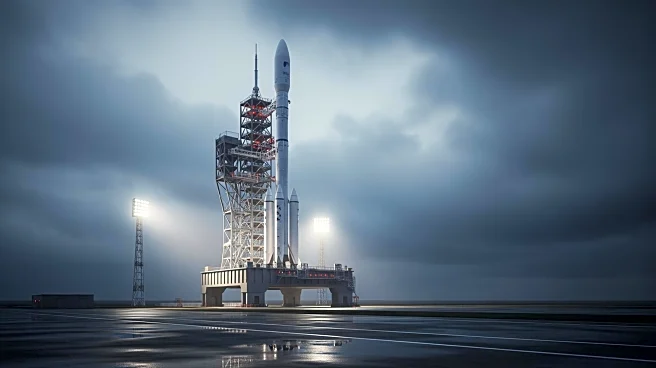
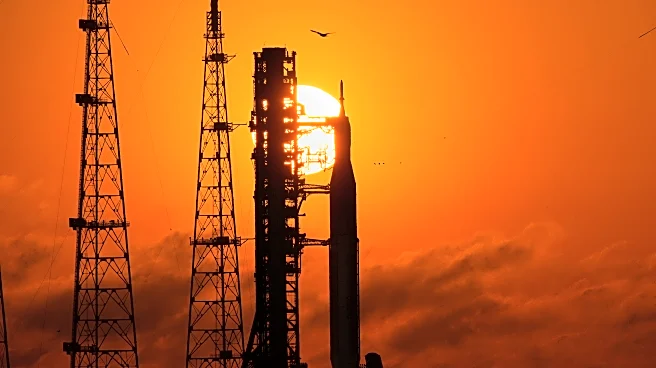
NASA's Artemis II mission is set to launch on April 1 from Launch Complex 39B at Kennedy Space Center in Florida. This mission marks the first time in over 50 years that humans will travel beyond Earth's orbit, aiming to loop around the Moon and return.
The crew consists of NASA Commander Reid Wiseman, Pilot Victor Glover, Mission Specialist Christina Koch, and Canadian astronaut Jeremy Hansen. The mission will test the Orion spacecraft's life support systems with humans aboard, a crucial step before a planned lunar landing. The launch window opens at 6:24 p.m. EDT, with favorable weather conditions predicted. Various platforms, including NASA's YouTube channel and NASA+, will provide live coverage of the event.
Why It's Important?
The Artemis II mission is a pivotal moment in NASA's efforts to return humans to the Moon and eventually explore Mars. By testing the spacecraft's systems with a crew, NASA aims to ensure the safety and success of future missions that will involve landing on the Moon. This mission represents a significant technological and exploratory milestone, as it is the first human mission beyond Earth's orbit since 1972. The success of Artemis II could accelerate plans for a sustained human presence on the Moon, fostering international collaboration and inspiring future generations of scientists and explorers.
What's Next?
Following the launch, the mission will last 10 days, during which the crew will conduct a lunar flyby before returning to Earth. The mission's success will be critical for the progression of the Artemis program, with future missions planned to land astronauts on the Moon. The data and experience gained from Artemis II will inform the planning and execution of these subsequent missions, including the anticipated Artemis III mission. Public interest and engagement are expected to be high, with extensive media coverage and opportunities for the public to participate as virtual guests.