
What's Happening?
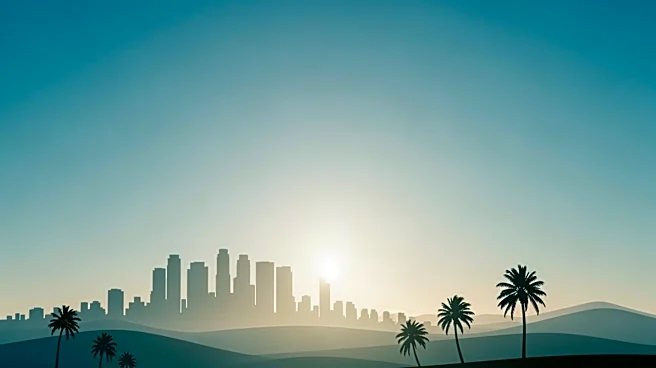
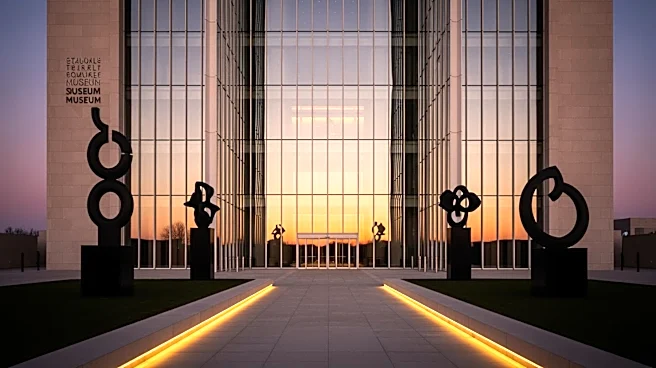
The Lucas Museum of Narrative Art, co-founded by George Lucas and Mellody Hobson, is set to open in Los Angeles on September 22, 2026. The museum will feature 18 thematic exhibitions curated by Lucas himself,
showcasing over 1,200 objects across 100,000 square feet. The exhibitions will cover a wide range of media and genres, including photography, architecture, cinema, and stories of the American West. Additionally, the museum will highlight specific narrative formats such as children's stories, manga, anime, and comics. The collection will also include works by notable American artists like Thomas Hart Benton, Frank Frazetta, and Norman Rockwell. The museum's holdings will feature large-scale murals by artists such as Diego Rivera and Judith F. Baca, as well as photography by Dorothea Lange and Gordon Parks.
Why It's Important?
The opening of the Lucas Museum of Narrative Art represents a significant addition to Los Angeles's cultural landscape, potentially attracting art enthusiasts and tourists alike. By focusing on 'narrative art,' the museum offers a unique perspective on storytelling through various artistic mediums, which could influence future exhibitions and art curation practices. The museum's extensive collection, including the Separate Cinema Archive and Lucas Archives, provides valuable resources for understanding the history of African American film and the legacy of Lucas's own cinematic contributions. This development also underscores Los Angeles's growing status as a major hub for art and culture, complementing other recent openings like the Los Angeles County Museum of Art's new galleries.
What's Next?
As the museum prepares for its grand opening, it will likely engage in promotional activities to attract visitors and establish itself as a key player in the art world. The museum's leadership may also focus on expanding its collection and programming to include more diverse narratives and contemporary art forms. Additionally, the museum's success could inspire similar institutions to explore narrative art, potentially leading to collaborations and partnerships with other cultural organizations. The response from the public and art critics will be crucial in shaping the museum's future direction and impact.