





What's Happening?
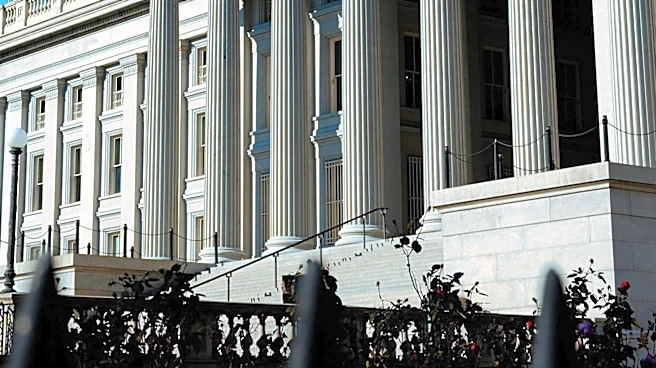
The Department of the Treasury has created a new system, Treasury .033, to house federal student aid records, as announced in a System of Records Notice (SORN) published in the Federal Register on October 7, 2026. This new system will encompass a broad
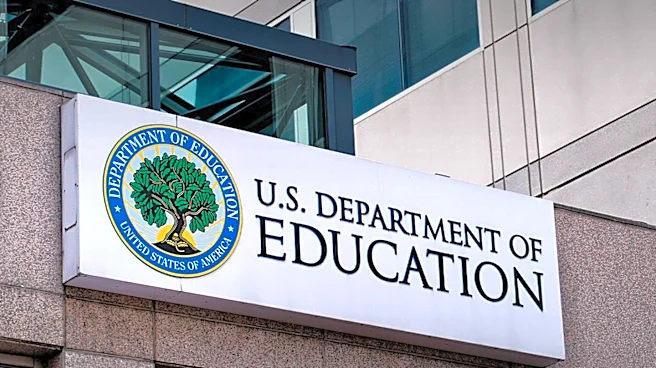
range of individuals, including applicants and recipients of Title IV grants and loans, borrowers, co-signers, PLUS loan endorsers, and parents and spouses whose information is on a FAFSA. This move stems from an interagency agreement (IAA) between the Department of Education (ED) and Treasury, which outlines a three-phase plan for Treasury to assume responsibilities for federal student aid programs currently managed by Federal Student Aid (FSA) within ED. Phase 1 of the IAA involves Treasury servicing defaulted federally held student loans. The subsequent phases, which are less clearly defined, aim to shift responsibility for the remaining student loan portfolio, other Title IV aid programs, and functions related to FAFSA and institutional eligibility. ED will provide Treasury with data from its National Student Loan Data System (NSDLS), Debt Management Collection Systems (DMCS), and Enterprise Data Management and Analytics Platform Services (EDMAPS).
Why It's Important?
This consolidation of student aid data at the Treasury Department represents a significant shift in the administration and oversight of federal student aid programs. While the Treasury states the system will support its management and oversight of the federal student aid portfolio, including monitoring collection activities and conducting research, the move has raised concerns among higher education advocates and legal experts. Critics argue that the project could potentially violate federal law and impede student privacy by transferring data without proper procedural authority. There are also fears that an improperly managed merging of systems could disrupt routine student aid programs, affecting students' ability to receive aid and access higher education. The depth of data Treasury is seeking, particularly concerning the less defined phases two and three of the IAA, has prompted questions about transparency and the potential impact on program integrity and student services.
What's Next?
The new Treasury .033 system took effect upon the SORN's publication on October 7, 2026, with routine data uses becoming effective on November 6, 2026, after the public comment period closed. The Department of Education will continue to maintain its own systems as the authoritative custodian of Title IV records. The full implementation of the interagency agreement, particularly phases two and three, remains to be seen, as these phases involve a broader transfer of student loan portfolio responsibilities and other Title IV aid programs. Further developments will likely involve ongoing discussions between ED and Treasury regarding the migration of non-defaulted loan administration responsibilities, addressing legal, operational, system, contractual, and policy challenges. Higher education groups and legal experts will likely continue to monitor the situation closely, advocating for student privacy and program integrity as these changes unfold.
Beyond the Headlines
The establishment of this new system at the Treasury Department could signify a broader strategic shift in how the federal government manages its vast student loan portfolio. Moving these functions away from the Department of Education could reflect an emphasis on financial management and debt collection aspects of student aid, potentially altering the philosophical approach to higher education funding. The concerns about student privacy and the legality of data transfer highlight the complex interplay between administrative efficiency, data security, and individual rights. This development could also set a precedent for how other federal programs involving large datasets and financial obligations are managed across different agencies. The long-term implications could include changes in how student loan policies are formulated and implemented, potentially impacting future generations of students and the overall landscape of higher education finance in the U.S.