
What's Happening?
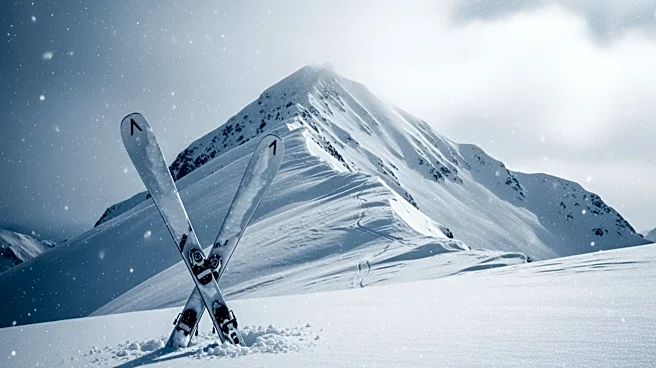
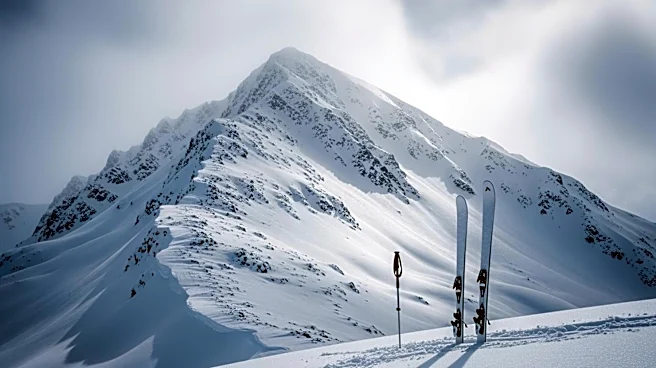
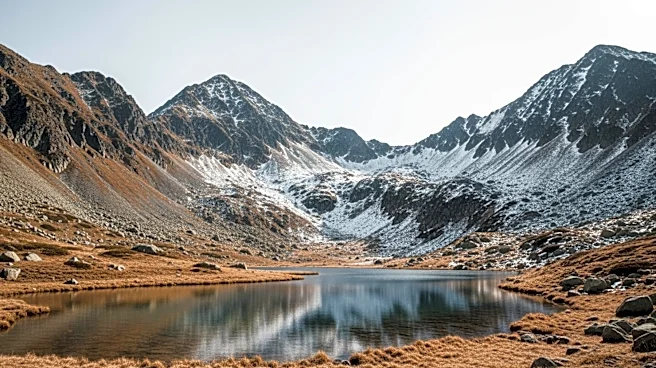
California is experiencing its second-worst snow drought in 50 years, with new images highlighting the stark contrast in snow levels compared to last year. The Sierra snowpack peaked at only 73% of average on February 25, and rapidly decreased thereafter.
March saw record-breaking heat across the Western United States, described by climate scientist Daniel Swain as one of the most extreme heat events ever observed in the American Southwest. Despite a spring storm dropping up to 3.5 feet of snow in the Sierra Nevada mountains, snow levels remain critically low. The Northern Sierra has been hardest hit, with snow levels at just 10% of normal as of April 16. This drought is affecting the state's water supply, as the Sierra Nevada snowpack typically provides around a third of California's water.
Why It's Important?
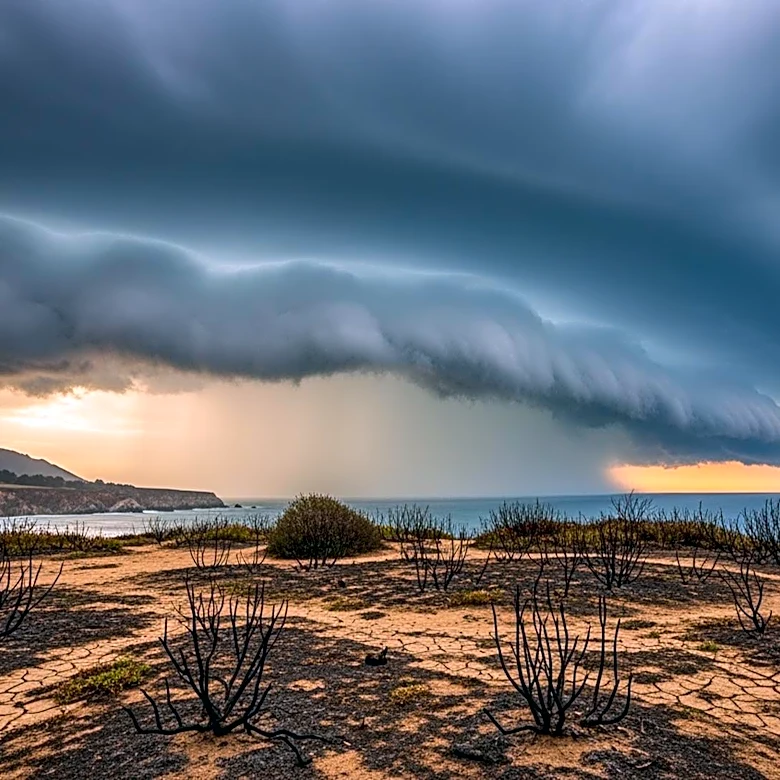
The snow drought in California has significant implications for the state's water resources and fire risk. The Sierra Nevada snowpack is crucial for refilling reservoirs during spring and summer, when water demand is highest. With snow levels at only 20% of normal statewide, the early runoff has left nearly all of California's reservoirs at or above historical average levels. However, the premature melt means forests will dry out earlier than usual, increasing the risk of wildfires. Peter Gleick, a water scientist, warns that this could lead to a very bad fire year. The drought underscores the vulnerability of California's water supply and the potential for increased fire hazards.
What's Next?
The ongoing drought conditions in California are likely to prompt increased efforts to manage water resources and mitigate fire risks. State officials may need to implement water conservation measures and prepare for an active fire season. The situation could also lead to discussions on long-term strategies for addressing climate change impacts on water availability and forest management. Stakeholders, including government agencies, environmental groups, and residents, will need to collaborate on solutions to address these challenges.
Beyond the Headlines
The snow drought in California highlights broader environmental and climate change issues. The extreme weather patterns observed in the American Southwest may become more frequent due to climate change, necessitating adaptive strategies for water management and disaster preparedness. The drought also raises ethical questions about resource allocation and the need for equitable access to water, particularly for vulnerable communities. Long-term shifts in climate patterns could have profound impacts on agriculture, urban planning, and ecosystem health in California.