







What's Happening?
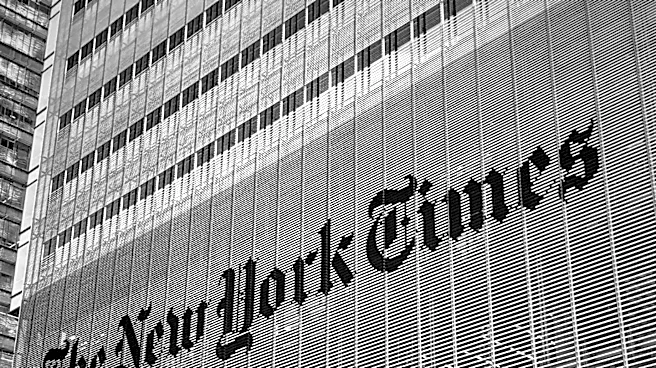
The New York Times is facing a potential shareholder lawsuit from the National Center for Public Policy Research (NCPPR) over its editorial standards and coverage of politically sensitive topics. The NCPPR has demanded that the newspaper turn over records
within a week, alleging that the Times' directors failed to properly oversee its editorial practices. The demand specifically cites a June 4 article on former Democratic Senate candidate Graham Platner, a May opinion piece by Nicholas Kristof alleging sexual abuse of Palestinian detainees by Israeli forces, and other Israel-related stories. The Times' coverage of Platner included allegations of sexual misconduct, which he has denied, and led to his withdrawal from the Senate race. The Israeli government has also threatened a defamation lawsuit over Kristof's column, which it labeled as 'blood libel.' The Times has defended its reporting, stating that it was thoroughly fact-checked and supported by interviews and corroborating material.
Why It's Important?
This development highlights ongoing tensions between media organizations and stakeholders over editorial independence and accountability. The potential lawsuit underscores the challenges faced by news outlets in balancing journalistic integrity with shareholder interests. The case could have significant implications for how media companies manage editorial oversight and respond to external pressures. If the lawsuit proceeds, it may set a precedent for how shareholder concerns are addressed in the context of journalistic practices. The situation also reflects broader debates about media bias and the role of news organizations in covering contentious political issues. The outcome could influence public trust in media institutions and impact the financial stability of the New York Times if legal actions result in substantial penalties or changes in governance.
What's Next?
The New York Times has a week to respond to the NCPPR's demand for records. If the newspaper fails to comply, the NCPPR may proceed with the lawsuit. The Times has already rejected the allegations, framing the demand as an attempt to suppress First Amendment-protected journalism. The situation may prompt further scrutiny of the Times' editorial processes and could lead to internal reviews or policy adjustments. Stakeholders, including media watchdogs and advocacy groups, are likely to monitor the case closely, as it may influence future interactions between media companies and their shareholders. The Israeli government's response to the Kristof column may also evolve, potentially leading to legal action against the Times.