





What's Happening?
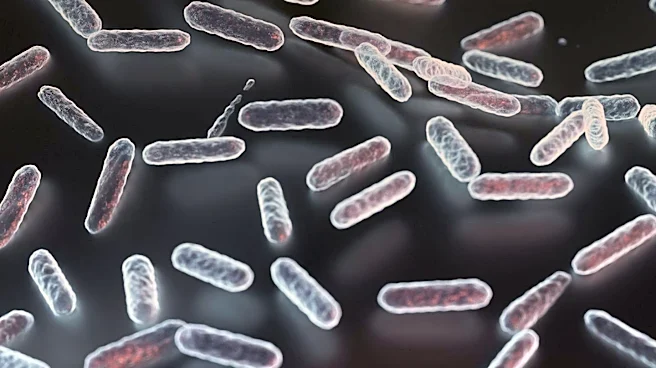
Health officials in Louisiana are urging beachgoers to exercise caution due to a surge in infections from Vibrio vulnificus, a flesh-eating bacteria found in coastal waters. This year, Louisiana has reported nine cases, resulting in five deaths, compared
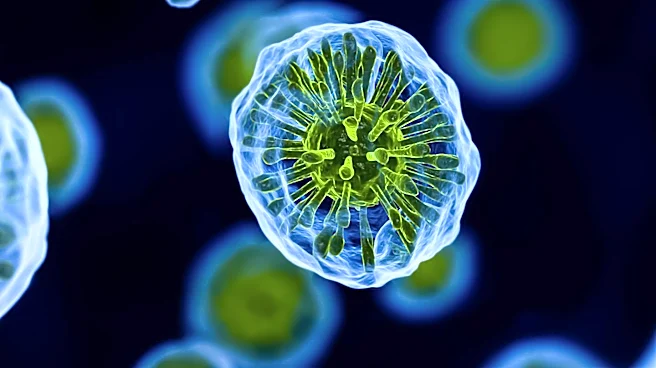
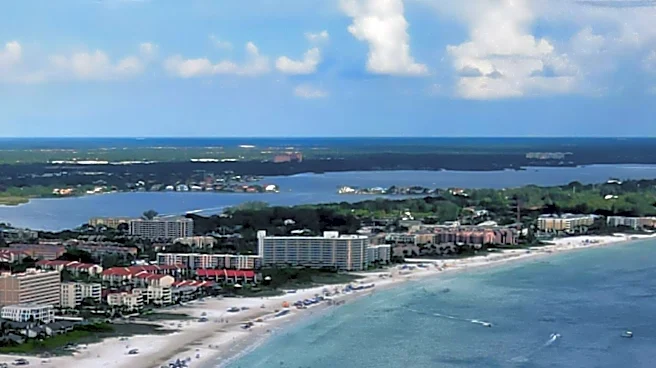
to an average of seven cases and one death over the past decade. Vibrio bacteria thrive in the warm, salty waters of the Gulf Coast, with most infections occurring from May to October. The bacteria can enter the body through breaks in the skin or by consuming raw or undercooked shellfish. The Centers for Disease Control and Prevention (CDC) notes that Vibrio vulnificus is the deadliest type, with a fatality rate of one in five infections.
Why It's Important?
The rise in Vibrio vulnificus infections poses a significant public health concern, particularly for states along the Gulf Coast. The bacteria's ability to thrive in warm, brackish waters makes it a persistent threat during the summer months. The infections can be severe, especially for individuals with weakened immune systems or chronic illnesses. The economic impact is also notable, as the threat of infection could deter tourism and affect local businesses reliant on beachgoers. Additionally, the increase in cases highlights the broader implications of climate change, as warmer waters may facilitate the spread of such bacteria.
What's Next?
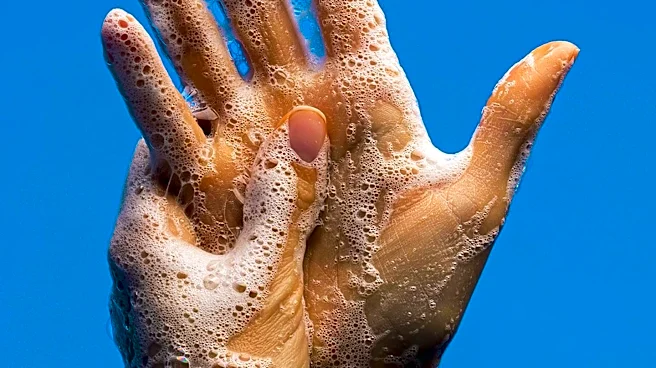
Health officials recommend that individuals with open wounds avoid contact with coastal waters and that those handling raw shellfish take precautions. The CDC advises washing cuts and scrapes with soap and water after exposure to seawater and seeking medical attention if symptoms develop. As climate change continues to affect ocean temperatures, monitoring and public awareness efforts will be crucial in managing the spread of Vibrio infections. Further research into the bacteria's proliferation and potential mitigation strategies will be essential in protecting public health.