







What's Happening?
Brazilian citizens are mandated to obtain a B-2 Tourist Visa to enter the United States for tourism purposes, including vacations, visiting family and friends, or attending social events. This visa strictly prohibits work or study activities within the U.S.
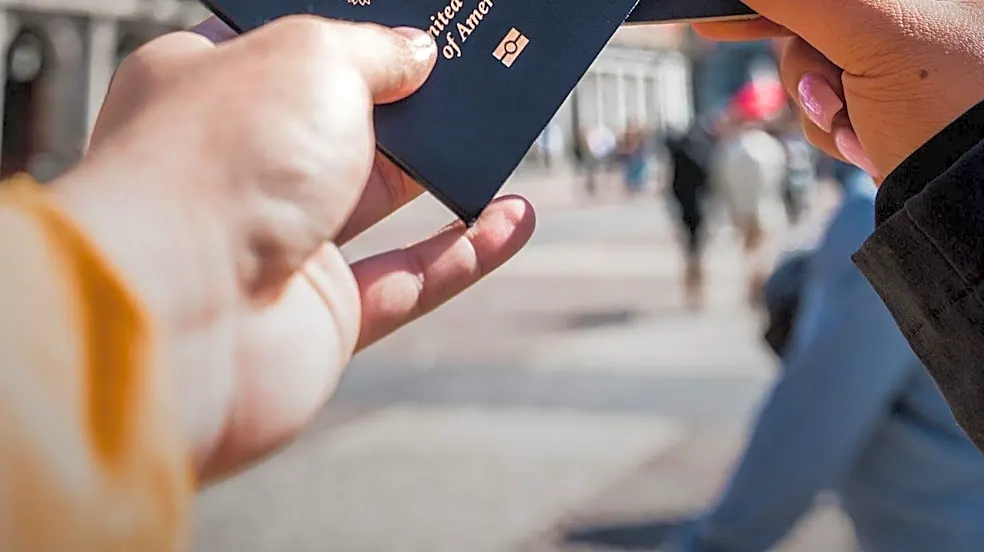
The application process involves several steps: completing the DS-160 online form, paying a non-refundable fee of approximately 160 USD, scheduling an interview at a U.S. Consulate in Brazil, preparing necessary documents, and attending the interview. Key required documents include a passport valid for at least six months beyond the intended entry date, the approved DS-160 form, the visa fee receipt, a biometric photo, financial documents proving self-sufficiency for travel, and a detailed travel itinerary. The consular officer evaluates the application based on the interview and submitted documents.
Why It's Important?
This visa requirement and its detailed application process are significant for Brazilian citizens planning travel to the U.S., directly impacting their ability to visit the country. The strict adherence to U.S. visa policies underscores the U.S. government's control over its borders and immigration. For the U.S. tourism industry, these requirements can influence the volume of Brazilian tourists, a demographic that contributes to the U.S. economy through travel and leisure spending. The non-refundable fee and the necessity for thorough documentation and interviews highlight the administrative burden and financial commitment for applicants, potentially deterring some travelers. The prohibition on working or studying on a B-2 visa is crucial for maintaining the integrity of U.S. immigration laws, ensuring visitors adhere to the specific purpose of their visa.
What's Next?
Following a successful interview, the visa is typically issued immediately and affixed to the applicant's passport. If denied, applicants receive a document explaining the reason, with no appeal process available. Therefore, meticulous preparation is critical. Once approved, travelers can proceed with pre-travel arrangements such as purchasing plane tickets, arranging accommodation, and securing travel insurance. It is imperative for visa holders to adhere to the specified duration of stay, as overstaying can negatively impact future visa applications. The U.S. Department of State continuously reviews and updates its visa policies, and applicants should always consult official sources for the most current information and requirements.
Beyond the Headlines
The stringent visa application process for Brazilian citizens reflects broader U.S. immigration policies aimed at national security and economic protection. The requirement for financial documentation and a clear travel itinerary serves to mitigate risks of illegal immigration and ensure visitors do not become public charges. The absence of an appeal process for denied applications emphasizes the finality of consular decisions and the importance of a complete and accurate initial submission. This system, while ensuring controlled entry, also shapes international relations and perceptions of the U.S. as a travel destination. The ongoing evolution of visa policies can influence diplomatic ties and economic exchanges between the U.S. and countries like Brazil, highlighting the complex interplay between national security, economic interests, and international travel.