
What's Happening?
Maj. Gen. Jonas Wikman, the commander of the Swedish Air Force, is overseeing a significant modernization program aimed at enhancing Sweden's combat capabilities. This initiative is part of Sweden's integration
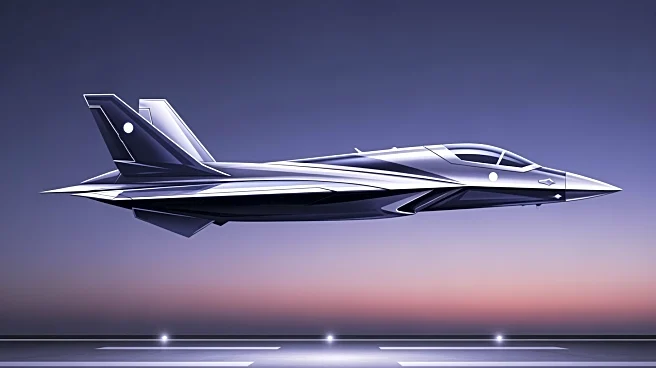
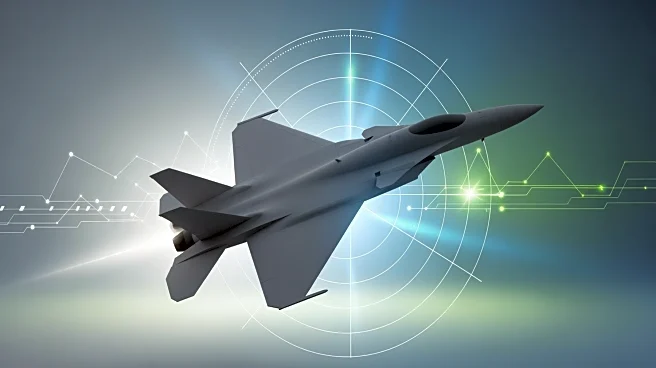
into NATO, following its recent membership. The program includes expanding the fleet of Gripen fighter jets, with a long-term goal of operating 120 units, combining older C/D models with new E variants. Sweden plans to increase its defense spending by $2.9 billion in 2026, marking an 18% rise from 2025. The modernization efforts also focus on developing next-generation fighter platforms and enhancing electronic warfare capabilities. The Swedish Air Force is exploring options for unmanned systems and is committed to integrating new technologies into existing platforms.
Why It's Important?
The modernization of the Swedish Air Force is crucial for strengthening Sweden's defense capabilities, especially in light of its recent NATO membership. The increased defense spending and focus on advanced technologies like electronic warfare and unmanned systems reflect Sweden's commitment to being a significant contributor to NATO's collective security. This development is particularly important given the geopolitical tensions in Europe, especially with Russia. The integration of new technologies into the Gripen fighter jets enhances Sweden's ability to conduct complex military operations and respond to emerging threats. The program also positions Sweden as a key player in the European defense landscape, potentially influencing defense policies and collaborations within NATO.
What's Next?
Sweden is expected to continue its defense modernization efforts, with a focus on integrating new technologies and expanding its fleet of Gripen fighter jets. The Swedish Air Force will likely engage in more joint exercises and operations with NATO allies to enhance interoperability and readiness. The upcoming increase in defense spending will support these initiatives, ensuring that Sweden meets its goal of allocating 3.5% of GDP to defense by 2030. Additionally, Sweden's participation in NATO missions and collaborations with other countries, such as Canada, may lead to deeper defense partnerships and shared technological advancements.