







What's Happening?
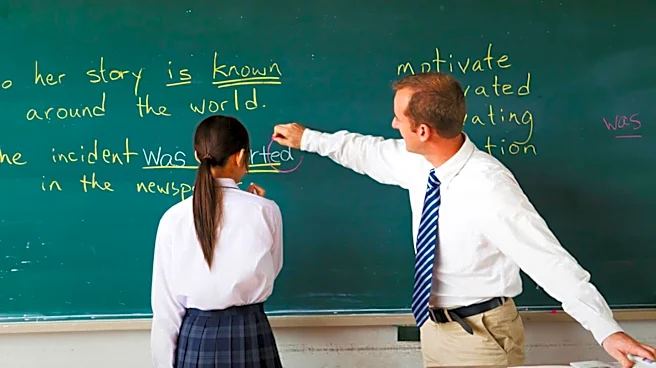
The International Rescue Committee (IRC), a global humanitarian non-governmental organization, is actively recruiting an ESOL Instructor in one of its 29 U.S. cities. This part-time position focuses on providing integrated English language instruction
to non-native English speakers. The instructor will be responsible for developing and tailoring curricula, tracking student progress, and supporting recruitment and retention efforts. The role emphasizes creating a positive learning environment and maintaining effective communication within the adult education team. Integrated ESOL combines English language lessons with job skills, workforce preparation, digital literacy, civics, and other life skills. The IRC, founded in 1933 at the call of Albert Einstein, operates in over 40 countries and 29 U.S. cities, aiming to restore health, safety, education, economic well-being, and power to individuals affected by conflict and disaster. The organization adheres to core values of Integrity, Service, Equality, and Accountability, as outlined in its 'IRC Way - Standards for Professional Conduct'.
Why It's Important?
This initiative by the IRC is crucial for the integration and self-sufficiency of vulnerable populations, including immigrants and refugees, within U.S. communities. By providing comprehensive English language and life skills education, the program directly addresses barriers to employment, social integration, and access to essential services for non-native English speakers. The focus on job skills and workforce preparation can significantly impact the economic well-being of these individuals and their families, contributing to local economies. Furthermore, digital literacy and civics education empower participants to navigate modern society and engage more effectively in their new communities. The IRC's commitment to these services in 29 U.S. cities highlights a sustained effort to support those displaced by global crises, fostering their ability to reclaim control of their futures and strengthen their communities. This work also underscores the broader societal benefit of humanitarian organizations in addressing the needs of diverse populations within the United States.
What's Next?
The IRC will continue its recruitment process for the ESOL Instructor position, with the role expected to conclude by September 30, 2027. Once hired, the instructor will begin developing and implementing tailored curricula, conducting classes, and assessing student progress. The program will focus on delivering integrated ESOL instruction that combines language learning with practical skills for daily life and employment. The IRC will also continue to utilize and oversee community volunteers as classroom assistants, further engaging local communities in supporting these vulnerable populations. Ongoing efforts will include meticulous record-keeping and data entry to ensure program administration and compliance with programmatic requirements, as well as maintaining open communication within the adult education team to report on program goals, client attendance, and student progress. The success of this and similar programs will likely influence future IRC initiatives aimed at supporting refugee resettlement and integration across its U.S. operations.
Beyond the Headlines
The IRC's emphasis on integrated ESOL instruction reflects a deeper understanding of the multifaceted challenges faced by non-native English speakers, particularly refugees and immigrants. Beyond mere language acquisition, the program addresses the holistic needs of individuals by incorporating job skills, digital literacy, and civics. This approach acknowledges that successful integration requires not only linguistic proficiency but also practical knowledge and cultural understanding to navigate a new society. The organization's adherence to professional standards, including safeguarding and fiscal integrity, underscores its ethical commitment to protecting vulnerable populations and ensuring accountability. This initiative also highlights the critical role of non-governmental organizations in filling gaps in public services, particularly in areas like adult education and refugee resettlement, which are often underfunded or overwhelmed. The long-term impact extends to fostering a more inclusive and diverse society, where individuals from various backgrounds can contribute meaningfully to their communities.