





What's Happening?
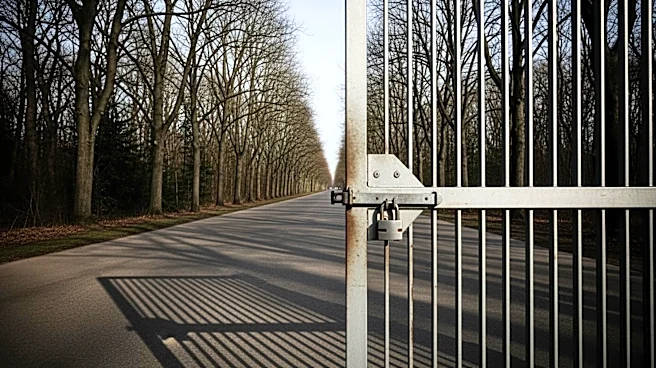
Federal policies under the Trump administration are delaying crucial funding for wildfire prevention efforts, according to a report. The Community Wildfire Defense Grant Program, which promised over $200 million to 22 states and two tribes, is stalled
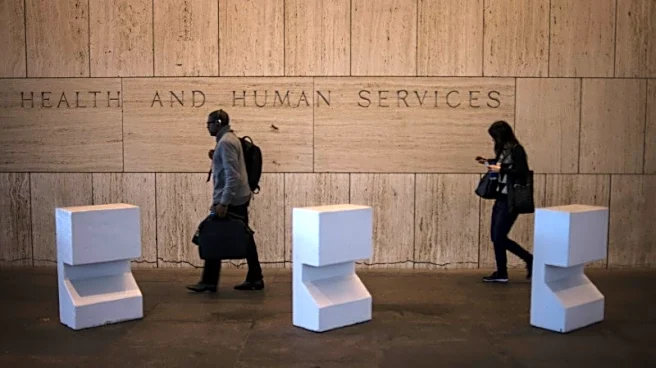
due to new federal requirements. These requirements, part of the 'America First' initiatives, include restrictions related to immigration and diversity hiring, which have little to do with wildfire management. As a result, land managers like Adam Lieberg from the Columbia Land Trust are unable to conduct controlled burns, a key method for reducing wildfire risks. The delay in funding is causing missed opportunities for controlled burns, which are essential before the hotter months increase wildfire risks.
Why It's Important?
The delay in funding for wildfire prevention efforts could have significant consequences for communities across the U.S. Approximately one-third of Americans live in areas vulnerable to wildfires. Without timely controlled burns, the risk of catastrophic wildfires increases, potentially leading to greater loss of life and property. The new federal policies are seen as regressive by many in the firefighting community, as they contradict scientific and indigenous knowledge on fire management. The situation highlights the tension between federal policy and state-level needs, with potential legal challenges looming as states push back against the new requirements.
What's Next?
The stalled funding and new federal policies are likely to lead to increased legal and political challenges. Twenty states and the District of Columbia have already sued the USDA to block the new terms for receiving federal funding. As wildfire risks continue to rise, there may be increased pressure on the federal government to revise its policies to better align with scientific recommendations and state needs. The outcome of these legal challenges could significantly impact future wildfire management strategies and funding allocations.