


What's Happening?
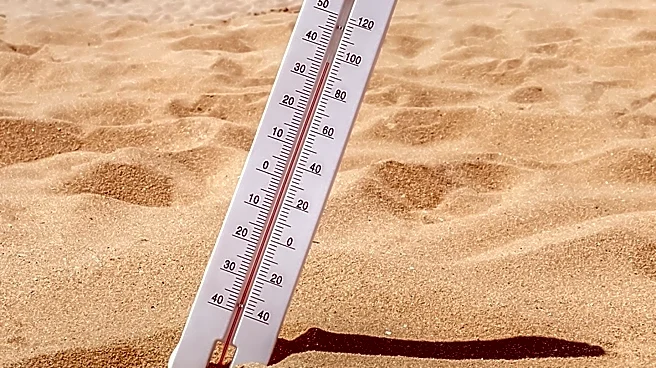
Madrid is currently experiencing a heatwave, prompting a yellow alert for high temperatures across the region, particularly in the Metropolitan Area and Henares. Temperatures are forecast to reach up to 37°C in some municipalities, with the capital city
expecting around 35°C. This heatwave is notable as it occurs just days before the official start of astronomical fall on September 23, making it feel more like the height of summer. The State Meteorological Agency (AEMET) has classified this as a low-risk situation for the general population, but advises caution for specific activities and vulnerable individuals. Areas like Alcalá de Henares, the southern Jarama region, and Vega de Aranjuez are expected to see the highest temperatures. Even the Sierra de Madrid will experience highs exceeding 30°C, a significant deviation from typical mid-September conditions.
Why It's Important?
This late-season heatwave in Madrid highlights the broader trend of shifting weather patterns and extended periods of high temperatures, even as seasons transition. While the immediate impact is on public health and daily activities, such events can have longer-term implications for urban planning, energy consumption, and public infrastructure. The need for residents to reschedule outdoor activities and take precautions like staying hydrated and seeking shade underscores the direct societal impact. For businesses, particularly those in tourism and outdoor recreation, these unseasonably warm conditions could extend their operating seasons or necessitate adjustments to accommodate the heat. The event also serves as a reminder for local authorities to maintain and update public health advisories and emergency response plans for extreme weather, ensuring the safety and well-being of the population.
What's Next?
The current heatwave is expected to be short-lived, with forecasts indicating a significant drop in temperatures starting midweek. This change will bring weather conditions more aligned with the typical autumn season, particularly in the Sierra and metropolitan areas. Residents are advised to continue monitoring weather advisories from AEMET and to follow recommendations for staying safe during high temperatures until the cooler weather arrives. Authorities will likely review the effectiveness of their public health campaigns and infrastructure responses to this heat event. The experience may also inform future preparedness strategies for similar late-season heatwaves, which could become more frequent due to broader climate trends.
Beyond the Headlines
This heatwave, occurring so close to autumn, underscores the ongoing discussion about climate change and its manifestation in more extreme and unpredictable weather events. The extended summer-like conditions challenge traditional seasonal expectations and could lead to long-term shifts in ecological patterns, agricultural cycles, and even cultural practices related to seasonal activities. The need for constant adaptation to such changes, from individual behavior to municipal planning, points to a future where flexibility and resilience in the face of climatic variability will be increasingly crucial. It also raises questions about the long-term sustainability of current urban designs and green spaces in mitigating the urban heat island effect, especially as such events become more common.