





What's Happening?
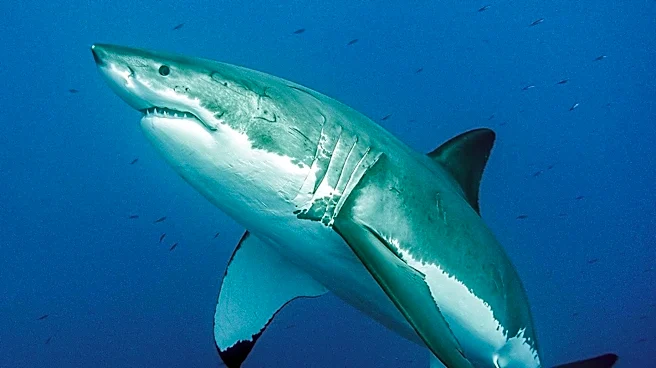
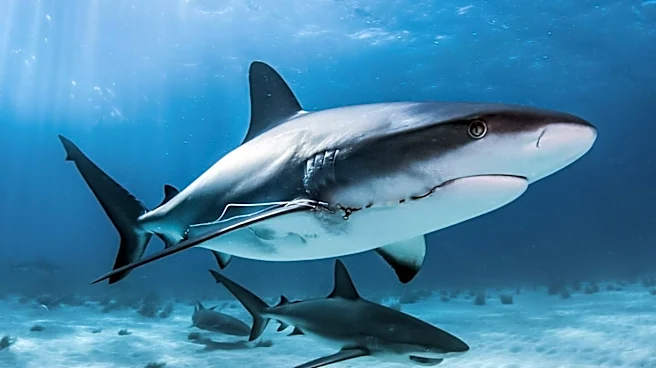
The International Union for Conservation of Nature (IUCN) has released a report indicating a significant increase in the extinction risk for sharks, rays, and chimaeras. As of 2026, 37.5% of these species are threatened with extinction, up from one-third
in 2024. The primary driver of this trend is overfishing, which has led to substantial population declines, particularly for species like hammerheads and dusky sharks. The IUCN has identified over 750 Important Shark and Ray Areas (ISRAs) that are home to the most at-risk species. These areas are experiencing significant population declines due to overfishing and bycatch, where sharks are unintentionally caught in fishing gear.
Why It's Important?
The increase in shark extinction risk has profound implications for marine ecosystems and biodiversity. Sharks play a crucial role in maintaining the health of ocean environments by regulating species populations and ensuring balanced ecosystems. The decline in shark populations can lead to the disruption of marine food chains, affecting other species and potentially leading to the collapse of certain fish stocks. This situation also highlights the need for stronger conservation efforts and sustainable fishing practices to prevent further losses and protect marine biodiversity.
What's Next?
Conservation efforts are critical to reversing the trend of shark population decline. The IUCN and other organizations are advocating for the implementation of sustainable fishing practices and stricter regulations to protect vulnerable species. The identification of ISRAs provides a framework for targeted conservation actions. Additionally, international cooperation and policy changes are necessary to address the global nature of the problem and ensure the protection of migratory species across borders.