


What's Happening?
The New Jersey Department of Health reported a measles exposure at Atlantic Health's Morristown Medical Center Emergency Room and three other Morris County locations. The exposure occurred between November 6 and November 11, 2026, due to a contagious
individual who lives outside New Jersey. People who were at Morristown Medical Center's ER from 10:50 p.m. on November 10 to 1:30 a.m. on November 11, as well as visitors to a Whippany convention, a Morris Plains hotel, and a Morristown Walgreens on specific dates, may have been exposed. Symptoms could appear as late as December 4. As of November 13, no additional New Jersey cases linked to this individual had been identified, and the state is not currently experiencing an outbreak. This local alert comes amidst a national surge in measles cases, with the CDC reporting 5,412 cases nationwide, marking the worst U.S. measles year in over three decades.
Why It's Important?
This measles exposure is particularly concerning due to the highly contagious nature of the virus and the vulnerability of certain populations. Measles spreads easily through the air and can linger for hours, putting anyone in the vicinity at risk. The Morristown Medical Center ER exposure is especially critical as emergency rooms often host high-risk individuals, including infants younger than 12 months (who are too young for routine vaccination), pregnant individuals without immunity, and those with weakened immune systems. For these groups, measles can lead to severe complications such as pneumonia, brain swelling, premature birth, or low birth weight. The convention and hotel exposures also carry a wider reach, as attendees and guests may have traveled to other states, potentially spreading the virus beyond New Jersey. This incident underscores the ongoing challenge of containing infectious diseases, especially with declining vaccination rates nationally, and highlights the need for prompt public health responses and community awareness.
What's Next?
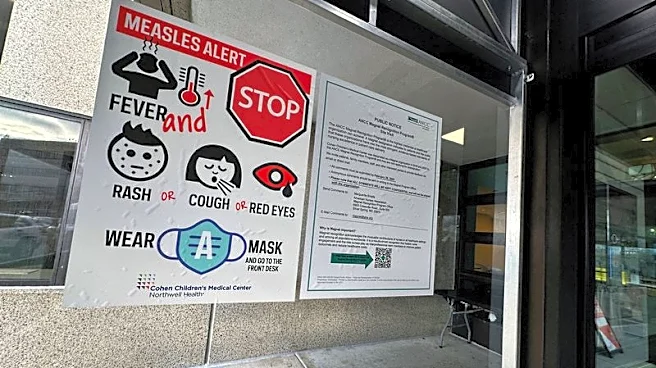
Individuals who may have been exposed are advised to check their vaccination records and contact a healthcare provider or local health department before visiting any medical facility to prevent further transmission. While the 72-hour window for an MMR vaccine dose to prevent or mitigate illness has passed for the listed exposures, immune globulin administered within six days can still protect high-risk individuals. The New Jersey Department of Health will continue to monitor the situation and post any new exposure sites. Health departments in other states may also need to be vigilant for cases linked to the Morris County locations. This event serves as a reminder for public health officials to reinforce vaccination campaigns and for individuals to ensure their MMR vaccination status is up-to-date. The broader national context suggests that the U.S. is facing a critical period in measles control, with a Pan American Health Organization commission expected to decide on November 17 whether the country has lost its measles elimination status.
Beyond the Headlines
The Morristown measles exposure highlights the ripple effect of declining vaccination rates and increased global measles activity on local communities. Even in states without widespread outbreaks, a single imported case can trigger significant public health responses and create anxiety. This incident also brings to light the logistical challenges faced by healthcare systems in managing potential exposures, requiring rapid communication, contact tracing, and patient guidance to prevent further spread. The need for individuals to call ahead before seeking medical care for suspected measles underscores the importance of public education on infectious disease protocols. Furthermore, the event could influence local and state policies regarding vaccine requirements and public health funding, as communities grapple with the re-emergence of preventable diseases. It serves as a micro-example of the broader national struggle to maintain herd immunity and protect vulnerable populations against highly contagious pathogens.