


What's Happening?
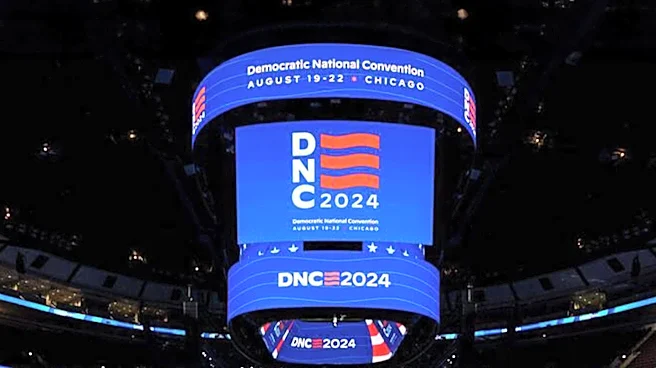
Rep. Ro Khanna (D-California) has engaged in discussions regarding the internal divisions within the Democratic Party, specifically addressing the increasing popularity of the Democratic Socialists of America (DSA) and growing discontent with billionaires.
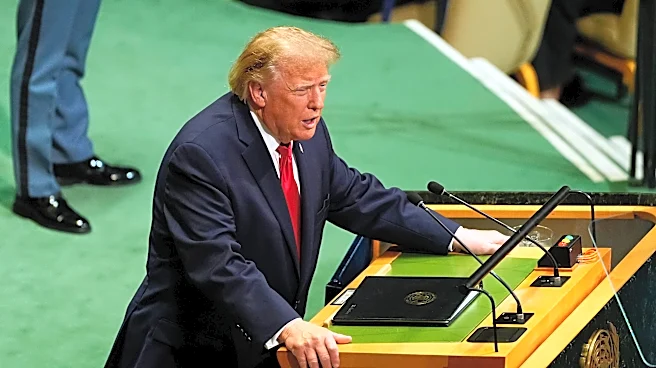
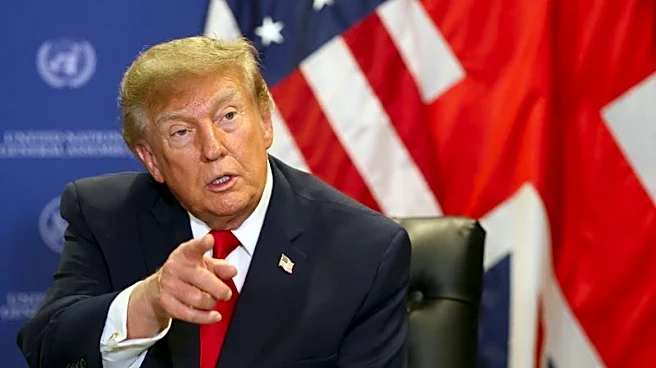
This conversation comes as the U.S. Chamber of Commerce has launched a 'Free Enterprise Express' bus tour to promote free market capitalism, indicating a broader ideological battle in the country. Khanna's insights shed light on the evolving political landscape within the Democratic Party, where progressive movements are gaining traction and challenging traditional party stances. The discussions also touched upon President Trump's support for a full or partial ban on diesel exports, the potential appointment of Treasury Secretary Scott Bessent as the next White House AI czar, and the Trump administration's removal of approximately 760,000 Obamacare enrollments due to alleged fraud.
Why It's Important?
The internal fractures within the Democratic Party, as highlighted by Rep. Khanna, are crucial for understanding the future direction of U.S. politics. The rising influence of groups like the DSA signifies a growing demand for more progressive policies, potentially pushing the party further left on economic and social issues. This shift could lead to significant policy changes, including increased social welfare programs, wealth redistribution, and stricter regulations on corporations. The discontent with billionaires, particularly in Khanna's district of Silicon Valley, reflects broader societal concerns about economic inequality and the concentration of wealth. This ideological struggle within the Democratic Party will likely impact upcoming elections, legislative priorities, and the party's ability to present a unified front against opposing political forces. The broader debate between socialism and capitalism, as evidenced by the Chamber of Commerce's initiative, underscores fundamental questions about the U.S. economic system.
What's Next?
The discussions surrounding the Democratic Party's internal divisions and the rise of progressive movements are expected to continue and intensify, especially as the 2026 midterm elections approach. Rep. Khanna's participation in these conversations suggests that these issues will remain central to the party's platform and campaign strategies. The growing influence of the DSA could lead to more progressive candidates seeking office and advocating for policies such as universal healthcare, free college tuition, and increased taxes on the wealthy. The U.S. Chamber of Commerce's efforts to promote capitalism indicate a concerted pushback against these progressive trends, suggesting a heightened ideological battle in the public sphere. The outcomes of these internal party debates will shape the Democratic Party's identity and its ability to mobilize voters in future elections, potentially leading to a redefinition of its core principles and policy agenda.
Beyond the Headlines
The emergence of strong socialist sentiments within a major U.S. political party, as discussed by Rep. Khanna, represents a significant cultural and economic shift. This goes beyond mere policy debates, touching upon fundamental questions about the nature of American capitalism and the role of government in society. The discontent with billionaires and the call for wealth redistribution reflect a deeper societal anxiety about economic fairness and opportunity. This trend could lead to a re-evaluation of corporate power, labor rights, and the social contract in the U.S. The long-term implications might include a more interventionist government role in the economy, increased social safety nets, and a potential shift in the balance of power between capital and labor. This ideological evolution within the Democratic Party could also influence broader public discourse, leading to a more open discussion about alternative economic models and their potential benefits and drawbacks for the nation.