
What's Happening?
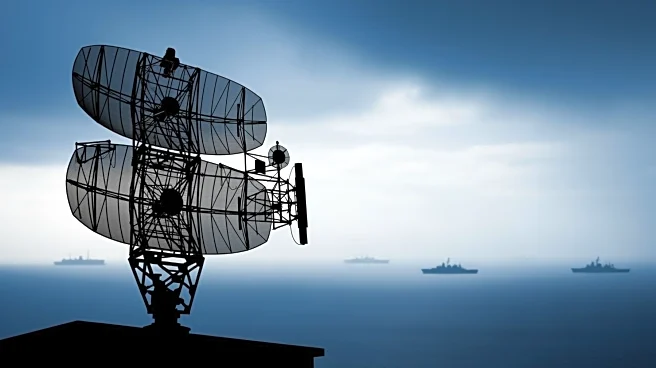
The United States has criticized China for targeting Japanese military aircraft with radars during a training exercise near Japan's Okinawa islands. This incident has heightened tensions between the two
countries, following Japanese Prime Minister Sanae Takaichi's remarks about a potential military response to a Chinese attack on Taiwan. China claims Taiwan as its territory and has not ruled out using force to take control of the island. The U.S. State Department has called China's actions detrimental to regional peace and stability, reinforcing the strong U.S.-Japan alliance. Meanwhile, China maintains that its military activities comply with international law and accuses Japan of disrupting its naval exercises.
Why It's Important?
This development underscores the fragile security dynamics in East Asia, where territorial disputes and military posturing could escalate into broader conflicts. The U.S.'s support for Japan highlights its commitment to regional allies and the strategic importance of maintaining stability in the Asia-Pacific region. The incident also reflects the ongoing geopolitical struggle over Taiwan, a critical flashpoint in U.S.-China relations. The U.S.'s involvement signals its intent to counterbalance China's growing military influence, which could have significant implications for international trade routes and regional security alliances.
What's Next?
The situation may lead to increased diplomatic engagements between the U.S., Japan, and China to de-escalate tensions. Japan might bolster its defense posture, potentially seeking further U.S. military support. China's response could involve diplomatic protests or increased military activities in the region. The international community will likely monitor these developments closely, given their potential impact on global security and economic stability.