





What's Happening?
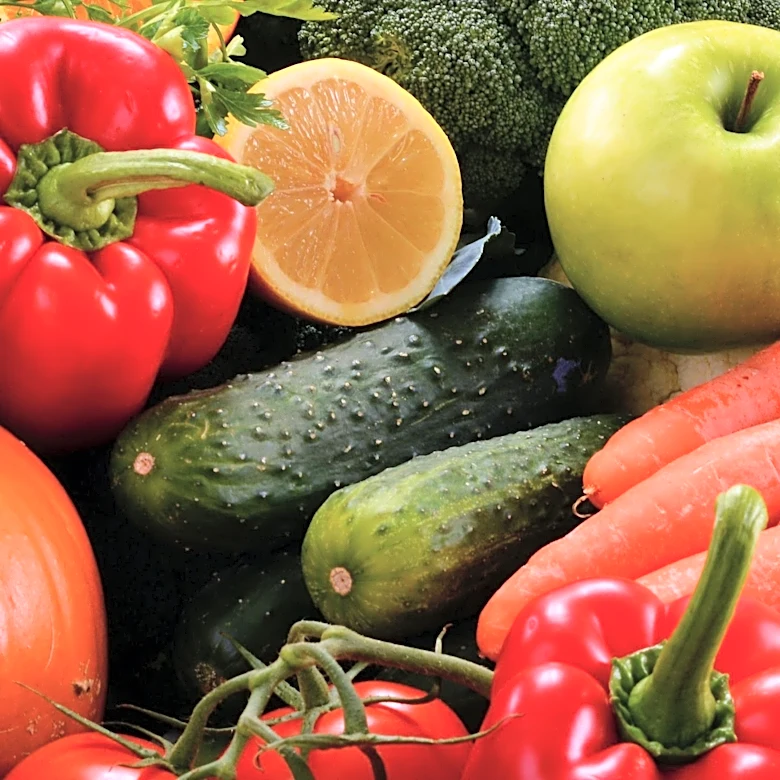
Gut health is profoundly affected by dietary choices, with a strong emphasis on whole plant-based foods and the Mediterranean diet. These dietary patterns, which include vegetables, fruits, whole grains, beans, olive oil, nuts, seeds, and fish, provide
essential fiber, antioxidants, and healthy fats. These components are crucial for nourishing beneficial gut bacteria and maintaining immune balance. Fermented foods like tempeh and tofu, rich in probiotics, also contribute to improved gut health. The prevailing advice is to focus on incorporating more fiber-rich plant foods rather than restricting certain food groups. This approach aims to foster a more resilient and diverse gut microbiome over time. Highly processed foods, refined sugars, and low-fiber diets are associated with reduced microbial diversity and increased inflammation, potentially disrupting the gut microbiome. The gut microbiome, a collection of trillions of microorganisms, plays a vital role in digestion, vitamin production, protection against harmful microbes, and immune system regulation. A balanced and diverse microbiome is essential for overall health, and dysbiosis (an imbalance) has been linked to chronic inflammatory conditions, including autoimmune diseases.
Why It's Important?
The connection between diet and gut health has significant implications for public health in the U.S., particularly concerning chronic inflammatory and autoimmune conditions. A healthy gut microbiome supports a strong intestinal barrier, preventing inflammatory molecules from entering the bloodstream and stimulating the immune system. In conditions like rheumatoid arthritis, where immune dysregulation is already present, additional inflammatory signals from a compromised gut can worsen the disease. By promoting dietary patterns rich in fiber and diverse plant foods, individuals can potentially mitigate systemic inflammation and support immune balance. This shift in dietary focus could lead to a reduction in the prevalence and severity of various health issues, lessening the burden on the healthcare system. Furthermore, the emphasis on adding beneficial foods rather than strict restriction offers a more sustainable and accessible approach to improving health for a broader population, potentially influencing dietary guidelines and public health campaigns aimed at preventing chronic diseases.
What's Next?
Future efforts will likely focus on educating the public about the benefits of a plant-rich, fiber-dense diet for gut health. This could involve increased promotion of dietary guidelines that align with the Mediterranean diet and the integration of gut health principles into nutritional counseling. Research will continue to explore the intricate mechanisms by which specific dietary components influence the gut microbiome and its impact on various health conditions, including autoimmune diseases. There may also be a growing emphasis on personalized nutrition, where dietary recommendations are tailored based on an individual's unique gut microbiome profile. Public health initiatives might encourage gradual dietary changes, such as adding one extra vegetable per meal or choosing whole grains, to make the transition to a gut-healthy diet more manageable for individuals. The food industry may also respond by developing more fiber-rich and fermented food options to meet growing consumer demand for gut-friendly products.
Beyond the Headlines
The understanding of gut health extends beyond individual well-being, touching upon broader societal and even generational implications. The diversity of an individual's gut microbiome can be influenced by diet and can even be passed down through generations. This suggests that current dietary choices not only impact personal health but also the microbial legacy inherited by future generations. The concept of 'training' the gut like a muscle, by gradually introducing diverse plant foods, highlights a long-term, sustainable approach to health rather than seeking quick fixes. This perspective challenges the prevalent diet culture that often emphasizes restriction, instead promoting abundance and variety. Ethically, this understanding underscores the importance of accessible, affordable, and nutritious food options for all, as dietary disparities could contribute to health inequities across populations and generations. Culturally, it may lead to a renewed appreciation for traditional diets rich in whole, unprocessed foods.