





What's Happening?
Seven months after nurses, therapists, and other mental health providers at two Rogers Behavioral Health clinics in Wisconsin voted for union representation with the National Union of Healthcare Workers (NUHW), they have yet to secure a contract or begin
negotiations. A federal official with the National Labor Relations Board (NLRB) rejected Rogers' objections to the vote outcome at its West Allis clinic, but Rogers is appealing this finding to the NLRB in Washington, D.C. Additionally, the same official has issued a complaint against Rogers, alleging the illegal firing of six West Allis clinic employees in retaliation for union organizing. A hearing for this complaint, initially scheduled for mid-December, has been postponed until February. These delays have caused frustration among union supporters and contributed to ongoing tensions at Rogers Behavioral Health, a nonprofit operating in 10 states.
Why It's Important?
This situation underscores the significant challenges and protracted timelines often involved in unionization efforts, even after a successful vote. The delays in contract negotiations and the legal battles over alleged unfair labor practices can undermine worker morale and trust in the collective bargaining process. For the healthcare industry, these disputes highlight the growing demand for union representation among healthcare workers, driven by concerns over staffing, working conditions, and patient care. The NLRB's involvement, both in upholding election results and investigating unfair labor practice charges, is crucial for ensuring that federal labor laws are enforced. The outcome of Rogers' appeal and the unfair labor practice hearing could set precedents for how similar unionization efforts are handled in the healthcare sector, potentially influencing future organizing drives and employer responses across the nation. The ongoing tensions also reflect broader societal debates about workers' rights and corporate responsibilities.
What's Next?
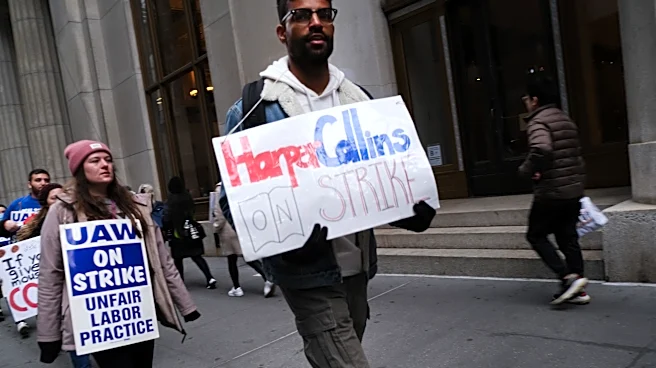
Rogers Behavioral Health is appealing the NLRB official's rejection of its objections to the union vote at the West Allis clinic to the full NLRB in Washington, D.C. Concurrently, a hearing regarding the alleged illegal firing of six employees in retaliation for union organizing has been postponed until February. Union supporters at Rogers Behavioral Health plan to continue their advocacy, including protests, to pressure the organization to recognize the union and begin contract negotiations. While Rogers CEO Cindy Meyer announced an agreement to mediate 'concerns in the state of Wisconsin,' union officials clarified this mediation pertains only to the NLRB complaints about the fired employees, not contract settlements. The union remains open to mediation for good-faith bargaining. The resolution of these appeals and hearings will determine the next steps for union recognition and contract negotiations at the Wisconsin clinics, potentially setting a timeline for when employees might finally begin bargaining for their first contract.
Beyond the Headlines
The protracted struggle at Rogers Behavioral Health reveals deeper systemic issues within labor relations, particularly in sectors like healthcare where employee well-being directly impacts public service. The delays and legal maneuvers employed by management, even after a clear union vote, can be seen as tactics to discourage unionization and exhaust workers' resolve. This raises questions about the effectiveness and timeliness of current labor laws in protecting workers' rights to organize and bargain collectively. The alleged retaliatory firings, if proven, highlight the vulnerability of employees who participate in union activities and the critical need for robust legal protections against such actions. Furthermore, the public nature of the dispute, including protests outside fundraising galas, indicates a growing trend of unions and workers leveraging public opinion to pressure employers. This case could influence how other healthcare providers respond to unionization efforts, potentially leading to more proactive engagement or more entrenched resistance, depending on the final outcomes and precedents set.