


What's Happening?
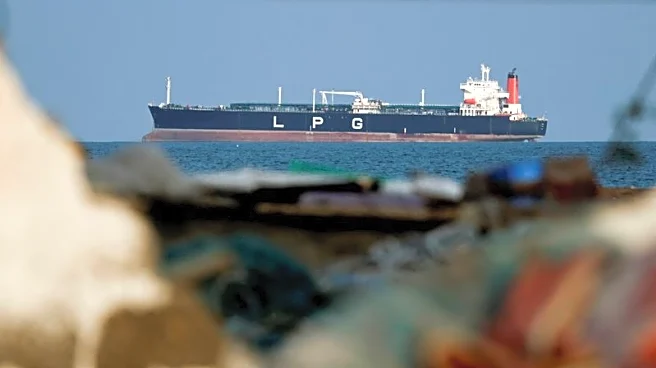
The International Energy Agency (IEA) has issued recommendations for consumers and businesses to adopt energy-saving measures in response to the global oil crisis. The conflict in the Middle East, particularly the closure of the Strait of Hormuz, has led
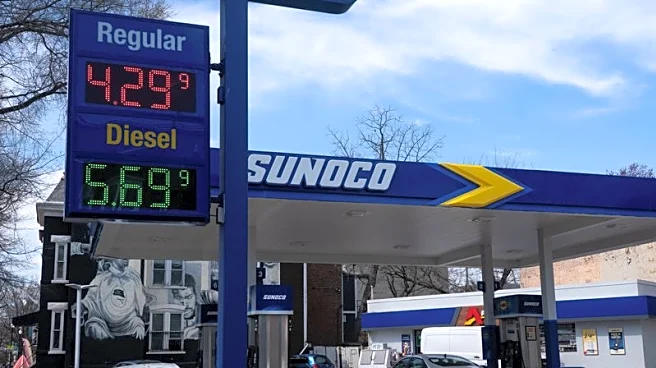
to the largest supply disruption in the history of the global oil market. The IEA suggests measures such as working from home, reducing road and air transport, and switching to electric cooking to help cushion the impact on consumers. Oil prices have surged over 40% since the start of the U.S.-Iran war, affecting transportation, logistics, and consumer prices.
Why It's Important?
The IEA's recommendations highlight the urgent need for coordinated efforts to reduce oil demand as a means to alleviate the pressure on global markets. By lowering consumption, consumers can help stabilize prices and support energy security. The situation underscores the vulnerability of global energy markets to geopolitical conflicts and the importance of sustainable energy practices. The recommendations also reflect the broader need for energy transition and resilience in the face of supply disruptions, emphasizing the role of policy and consumer behavior in addressing energy challenges.
What's Next?
As the conflict continues, the implementation of energy-saving measures could provide temporary relief to consumers and markets. However, long-term solutions will require a combination of policy interventions, technological advancements, and changes in consumer behavior. The IEA's call for reduced oil demand may influence future energy policies and encourage investment in alternative energy sources. The ongoing crisis serves as a reminder of the need for global cooperation and innovation in addressing energy security and sustainability challenges.