


What's Happening?
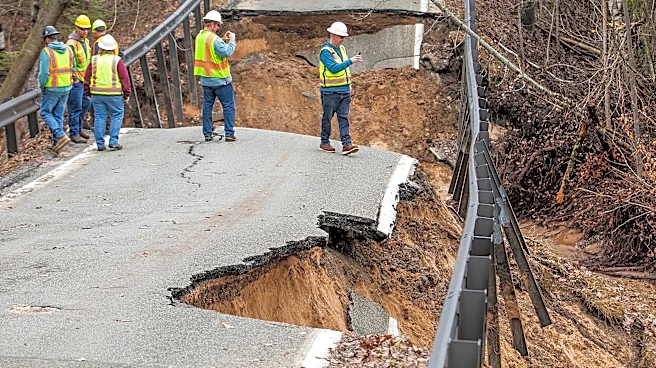
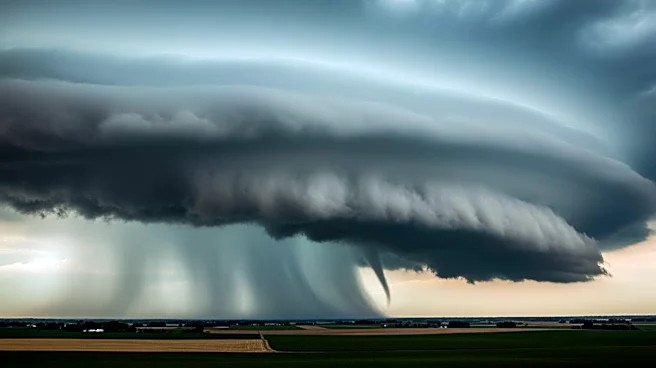
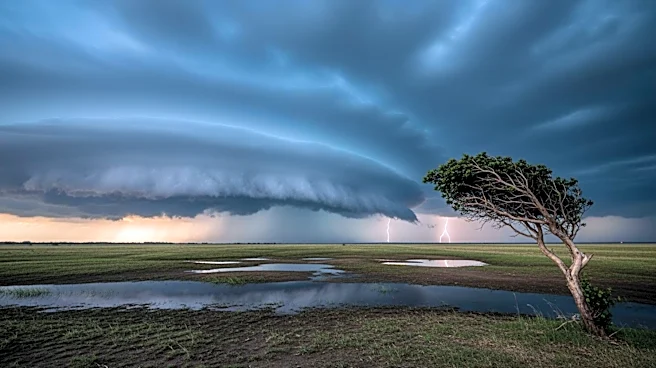
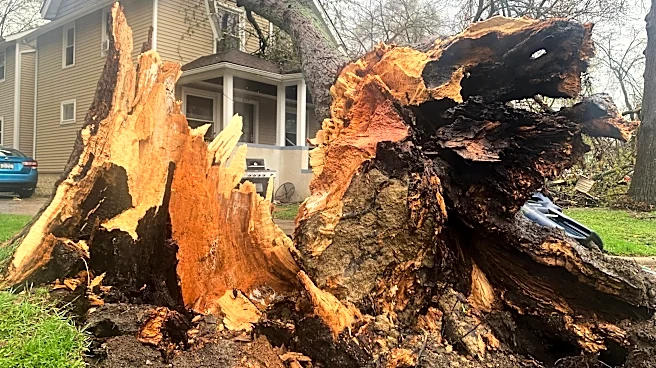
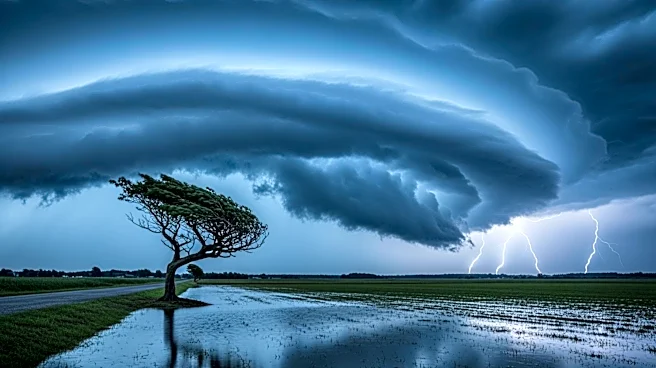
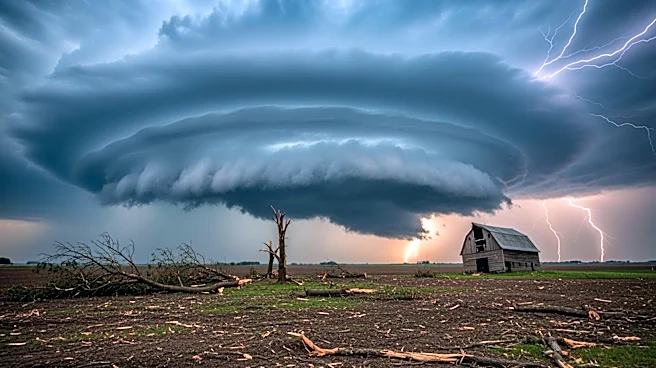
Severe weather has struck the Midwest, causing significant damage and disruptions across several states. The National Weather Service has reported over 400 incidents of hail, high winds, and tornadoes. In Wisconsin, Governor Tony Evers declared a state of emergency
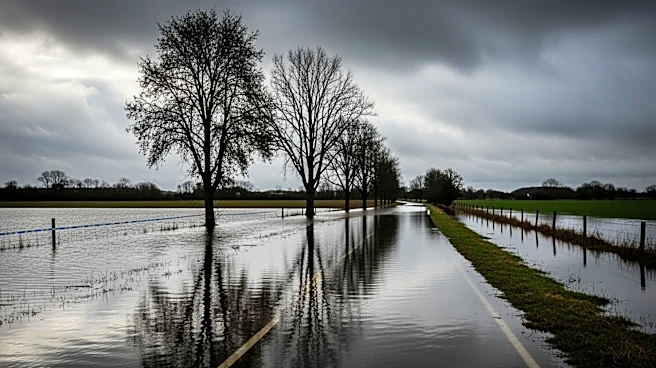
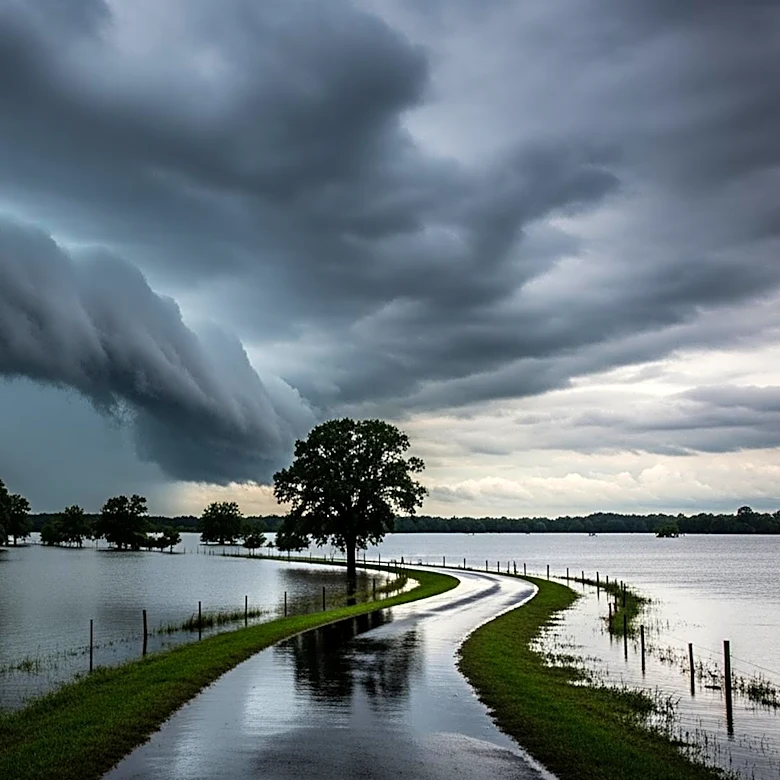
following storms that brought strong winds, hail, and heavy rain, resulting in at least three confirmed tornadoes. In Michigan, powerful storms damaged infrastructure, including two ice arenas, and caused widespread flooding. Ann Arbor experienced structural damage to public school buildings and power outages, leading to school closures. The storms also caused a power outage at a state facility in northern Michigan, resulting in the death of 1,750 steelhead trout. The weather system is expected to continue moving eastward, affecting areas from central Texas to the Great Lakes and beyond.
Why It's Important?
The severe weather events highlight the vulnerability of infrastructure and communities in the Midwest to extreme weather conditions. The damage to public buildings, such as schools and ice arenas, underscores the potential for significant economic and social disruption. The declaration of a state of emergency in Wisconsin and the extensive damage in Michigan illustrate the challenges faced by state and local governments in responding to and recovering from such events. The loss of fish at the state facility also points to the broader environmental impact of power outages and severe weather. As the weather system moves eastward, other regions may face similar challenges, emphasizing the need for preparedness and resilience in the face of increasingly frequent and severe weather events.
What's Next?
As the weather system continues to move eastward, additional states may experience severe weather conditions, including high winds, hail, and potential tornadoes. Authorities in affected areas are likely to continue monitoring the situation closely and may issue further warnings or declarations of emergency as needed. Recovery efforts in Wisconsin and Michigan will likely focus on repairing damaged infrastructure, restoring power, and addressing environmental impacts. The ongoing threat of severe weather underscores the importance of emergency preparedness and the need for communities to remain vigilant and responsive to changing conditions.