



What's Happening?
Ofelia Giselle Torres Hidalgo, a 16-year-old from Chicago, passed away from stage 4 alveolar rhabdomyosarcoma, a rare form of cancer. Her death comes shortly after an immigration judge ruled that her father, Ruben Torres Maldonado, could receive 'cancellation
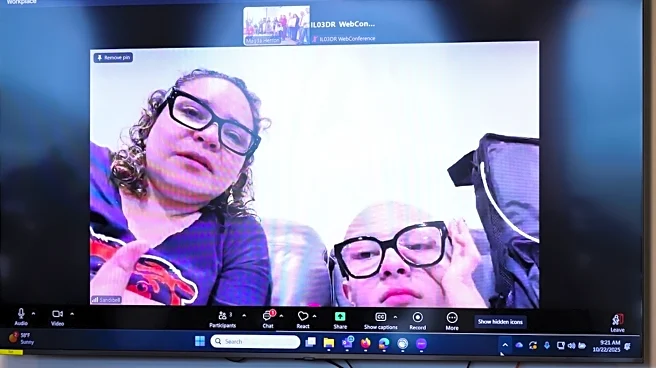
of removal' due to the hardships his deportation would cause his U.S.-born children. This ruling provides him a path to lawful permanent residency and eventual U.S. citizenship. Ofelia had been actively advocating for her father's release after he was detained in October during an immigration crackdown. Despite her illness, she participated in legal proceedings via Zoom and publicly spoke out against the targeting of immigrant families.
Why It's Important?
This case highlights the intersection of immigration policy and personal hardship, illustrating the profound impact of deportation proceedings on families. Ofelia's advocacy underscores the emotional and social challenges faced by children of detained immigrants. The judge's decision to grant Torres Maldonado a chance to remain in the U.S. reflects the legal system's capacity to consider familial and humanitarian factors. This development may influence public discourse on immigration policies, particularly regarding the treatment of families and the criteria for deportation relief.
What's Next?
Following the judge's ruling, Torres Maldonado will pursue the process to become a lawful permanent resident. This case may prompt further legal and public scrutiny of immigration enforcement practices, especially those involving family separations. Advocacy groups might use this case to push for policy reforms that prioritize family unity and consider the welfare of U.S.-born children in deportation cases.
Beyond the Headlines
Ofelia's story sheds light on the broader implications of immigration enforcement on health and well-being. Her inability to continue treatment due to stress and disruption highlights the collateral damage of aggressive immigration policies. This case may lead to increased advocacy for policies that protect vulnerable family members and ensure access to healthcare during legal proceedings.