


What's Happening?
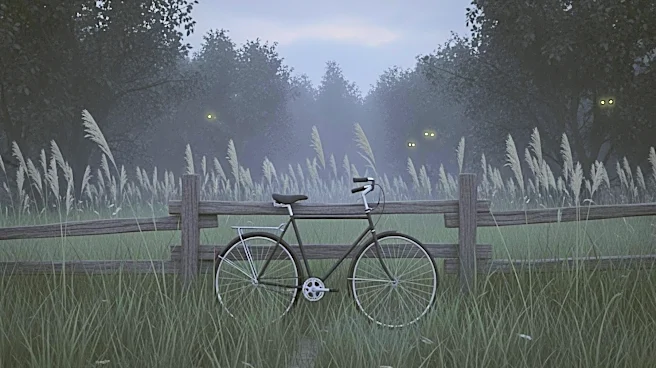
Ottawa city officials are investigating an incident where a 14-year-old boy was attacked by three coyotes while riding his bike through a park. The attack occurred as the boy was heading home, with one coyote charging at him unprovoked, followed by two
others. The boy attempted to fend off the coyotes by throwing his bicycle and helmet at them, but they continued to pursue him. He managed to escape by running to a local school and jumping over a fence. The boy sustained scrapes on his leg and received precautionary rabies treatment. This attack follows two other coyote incidents in the province, prompting local authorities to reassess their wildlife management strategies.
Why It's Important?
The coyote attack highlights growing concerns about wildlife management and public safety in urban areas. As cities expand, interactions between humans and wildlife are becoming more frequent, raising questions about how to balance safety with conservation efforts. The incident underscores the need for effective strategies to manage wildlife populations in urban settings, particularly in areas where human activity intersects with natural habitats. The city's response could set a precedent for how similar situations are handled in other regions, impacting local policies and community safety measures.
What's Next?
Ottawa officials are likely to implement new measures to address the coyote situation, which may include increased monitoring and public awareness campaigns. The city might also consider revising its wildlife management policies to prevent future attacks. Community engagement and collaboration with wildlife experts could play a crucial role in developing effective solutions. The outcome of these efforts could influence how other cities manage wildlife interactions, potentially leading to broader policy changes across the country.