





What's Happening?
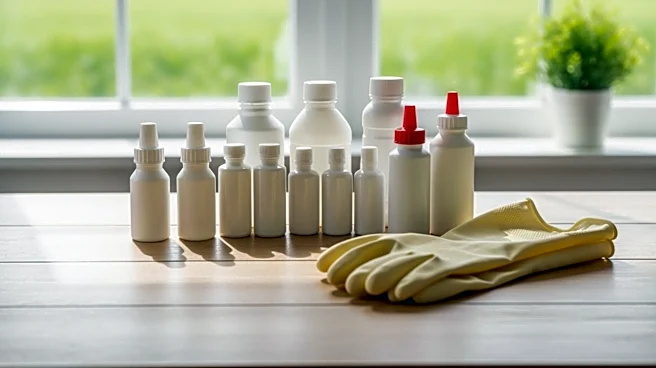
The Ohio Department of Agriculture (ODA) is set to host a series of pesticide disposal events aimed at helping farmers safely dispose of unwanted pesticides. These events will take place in Athens, Crawford, and Miami counties on August 3, August 24,
and August 27, 2026, respectively. The collection events are free of charge and will only accept farm chemicals. Items such as paint, antifreeze, solvents, and household or non-farm pesticides will not be accepted. The initiative is part of ODA's efforts to prevent the illegal and potentially harmful disposal of pesticides, which can pose risks to human health, animals, and the environment. Last year, the ODA successfully collected nearly 74,000 pounds of pesticide products through similar events.
Why It's Important?
This initiative by the Ohio Department of Agriculture is crucial for environmental protection and public health. By providing a safe and legal means for farmers to dispose of pesticides, the ODA helps prevent the contamination of waterways and soil, which can occur if these chemicals are improperly discarded. The events also support farmers by offering a cost-free solution to manage hazardous waste, thereby promoting sustainable agricultural practices. The collection of such a significant amount of pesticides last year underscores the ongoing need for these disposal services and highlights the potential environmental impact if these chemicals were not properly managed.
What's Next?
Farmers interested in participating in the disposal events are encouraged to pre-register by contacting the ODA. The success of these events could lead to more frequent or expanded disposal services in the future, depending on demand and environmental needs. Additionally, the ODA may continue to educate farmers and the public on the importance of proper pesticide disposal and the potential risks associated with improper handling. Stakeholders, including environmental groups and agricultural organizations, may also advocate for similar initiatives in other regions to further protect the environment and public health.