









What's Happening?
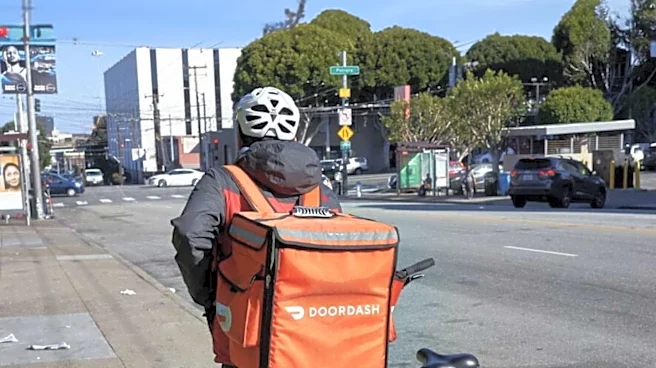
A DoorDash delivery driver and his fiancée, Hope and Tyler, received an outpouring of wedding gifts after a note they included with a delivery went viral on TikTok. The note, which read, 'Your tip is helping make our wedding possible. It means the world
to us. <3 Hope & Tyler,' was received by a TikTok influencer and New York Times bestselling author. Moved by the message, the influencer located the couple's wedding registry and sent numerous gifts via Amazon. The fiancée, Hope, shared a video expressing gratitude for the unexpected presents. Following the viral attention and the influencer's generosity, DoorDash itself sent a wedding present to the couple. This incident highlights a pattern of positive community engagement facilitated through the DoorDash platform, echoing a previous instance where a GoFundMe for an elderly DoorDash driver led to significant donations, including a contribution from DoorDash, enabling his retirement.
Why It's Important?
This event underscores the significant impact of social media, particularly platforms like TikTok, in amplifying personal stories and generating widespread community support. For DoorDash, the incident serves as positive public relations, showcasing the human element behind its delivery service and fostering goodwill among its users and drivers. Such stories can enhance brand perception, portraying the company as one that supports its delivery personnel and acknowledges their personal circumstances. It also demonstrates the power of individual acts of kindness to inspire broader collective action, creating a ripple effect of generosity. The visibility gained from such viral moments can also indirectly benefit the gig economy by humanizing the experiences of its workers, potentially influencing public perception and policy discussions around worker welfare and support systems within these platforms.
What's Next?
The viral nature of this story may encourage other DoorDash drivers or gig economy workers to share their personal stories, potentially leading to more instances of community support or increased awareness of their circumstances. For DoorDash, the positive publicity could lead to further initiatives aimed at supporting its drivers, possibly through partnerships with charitable organizations or internal programs designed to assist drivers with significant life events. The company might leverage this positive narrative in its marketing efforts to attract more drivers and customers who value a company with a perceived sense of community and care. Additionally, the influencer's actions could inspire other public figures to use their platforms for similar acts of kindness, creating a trend of direct support for individuals in the gig economy.
Beyond the Headlines
This story touches upon the evolving dynamics of work in the gig economy, where personal connections and individual narratives can unexpectedly intersect with large corporate platforms. It highlights the often-unseen personal struggles and aspirations of gig workers, bringing them into public view through the power of social media. The direct financial and emotional support received by the couple bypasses traditional charitable structures, demonstrating a more direct, peer-to-peer form of aid facilitated by digital platforms. This phenomenon also raises questions about the role of corporations in supporting their contract workers beyond standard compensation, especially when public sentiment is mobilized. It suggests a growing expectation from the public for companies to engage with the human stories of their workforce, potentially influencing corporate social responsibility strategies in the gig economy sector.